Book Categories:

1. The Birth of PET Preforms
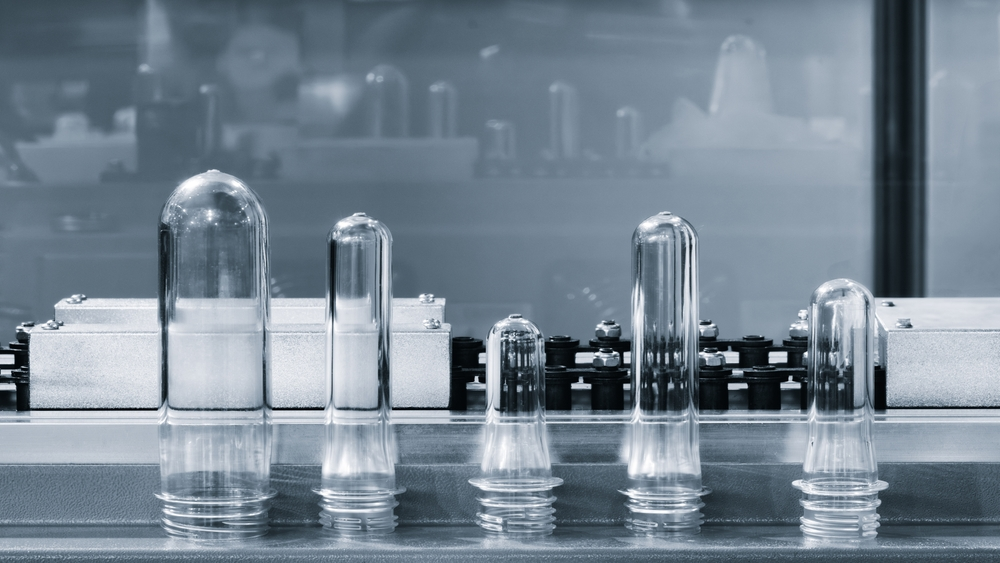
PET preforms are semi-finished intermediate products in the production of PET bottles. Their forming process requires molten PET material to be first injected into a preform mold by an injection molding machine and then cooled. Interestingly, although most packaging manufacturers today need to purchase PET preforms first in order to make PET bottles, historically speaking, the preform is actually a “latecomer”—it arrived long after bottles had already become widespread for many years.
Looking back at history, in 1941, British scientists J. Rex Whinfield and James Tennant Dickson first synthesized PET material. Initially, this material was mainly used in the fiber industry and did not enter the packaging field. It was not until 1973, when Nathaniel Wyeth invented the blow molding technology for PET bottles, that PET began to be used to manufacture lightweight, transparent, and pressure-resistant containers.
This method of directly producing bottle bodies from PET raw material is still in use today—what is less frequently mentioned in the industry as the “single-stage blow molding”—in which injection molding, temperature conditioning, blow molding, and all other steps are completed continuously on a single machine. However, due to limitations in production efficiency, mold design complexity, and system configuration requirements, the industry gradually explored more efficient and flexible production pathways. It was against this backdrop that the preform emerged as an intermediate product bridging the injection molding and blow molding stages, thus initiating the two-stage blow molding trend for PET bottle forming.
Through the coordinated operation of injection molding machines and blow molding machines, PET raw material is first independently injection-molded into preforms, and then the preforms are transferred to blow molding machines for blow forming—this is the widely adopted “two-stage blow molding” today. This process divides PET preforms and PET bottle forming into two independent stages. Although it adds operational steps and makes the overall process more complex, it effectively alleviates the bottlenecks of the one-step process in terms of production capacity and design flexibility, successfully resolving the tension between production efficiency and packaging form diversity, and has become the mainstream method for PET bottle production today.
As for the process comparison of single-stage blow molding vs. two-stage blow molding, we will not elaborate on it here. However, one point worth noting is that despite the widespread and mature application of PET preforms, single-stage blow molding has not been completely replaced. In certain niche packaging production areas, the single-stage blow molding still retains its distinct advantages.
2. Types of Preforms

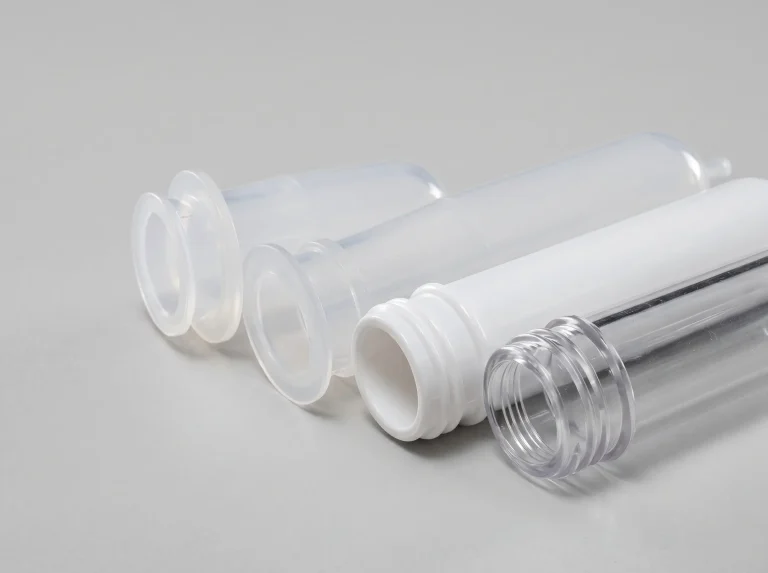
In terms of material, preforms can be divided into PET, PP, acrylic, PETG, and other materials. However, the ones most commonly found on the market are still PET, PP, and PETG. Acrylic, ABS, and other materials are rarely used directly for blow molding, so they are not widely traded in the market—even if such preforms do exist, they are mostly supporting preforms for established packaging and are generally not sold to external buyers.
Therefore, in practice, preforms are primarily classified by their neck finish (thread type). In purchasing and trading, people usually use three key factors—finish size, gram weight, and thread type—to make a preliminary assessment of whether a preform is suitable.
Each type of preform has its corresponding packaging application areas. Moreover, depending on the filling temperature requirements of the packaging, the material and neck finish pretreatment of the preform may vary slightly—some can be made into hot-fill preforms, while others are more suitable for cold-fill and ambient-temperature fill applications.
It is worth noting that the above classification only covers the more common thread styles on the market. In practice, different preform suppliers may modify the finish thread specifications according to customer needs to match specific caps or pumps, so even preforms with the same finish size and thread type may differ in thread length, thread pitch, and thread thickness.
In terms of gram weight, PET preforms are even more customized—each supplier tends to have its own proprietary specifications. Although the gram weight may vary by 0.5 to 2 grams across different suppliers, this does not overly affect the bottle’s capacity or rigidity performance. If you would like to learn more about the structural differences among various preforms, you can refer to our article introducing the “8 Popular PET Preform Types”.
3. Applications of PET Preforms
Although PET preforms come in a wide variety of specifications in terms of thread type, gram weight, and finish size, from the perspective of end-use applications, their market landscape is primarily concentrated in four major sectors: beverage/ drinking water, pharmaceuticals, food packaging, and daily chemical (personal care and cleaning) products.
3.1 Preforms for Water and Beverages

The mainstream preform series in this sector includes PCO, GME, Alaska, Plastic Can 200 Series, and Gallen Preform. Among these, the PCO and GME series are dedicated to the blow molding of carbonated soft drink bottles, while Alaska is primarily suited for non-carbonated beverages (Juice and water). For a plastic can, whether it can hold carbonated beverages depends specifically on the bottle body design rather than the neck finish design.
It is worth noting that the evolution of such preforms is not arbitrary but follows a clear logic of cost reduction and efficiency improvement. Taking the transition from PCO 1810 to PCO 1881 as an example, each generation of specification optimization strives to reduce material consumption, enhance production efficiency, and at the same time deliver better environmental performance.
3.2 Preforms for Food Packaging

Preforms in the food sector are predominantly wide-mouth designs ranging from 55mm to 120mm in finish size (Neck Outer Diameter). Although they are generally paired with screw caps, they can be further divided into two major categories—CT400 and Plastic Can—based on differences in thread structure.
However, such preforms have extremely low circulation on the external market, especially Plastic Can preforms. The reason lies in the fact that, given the relatively low technical barriers to PET mold development and blow molding, once preforms are released to the outside market, it becomes easy for competitors to undermine a manufacturer’s own core competitive advantages. Therefore, most Plastic Can producers prefer to produce their own preforms in-house and pair them with their own blow-molding operations, thereby reducing homogeneous competition in the market.
That said, at PAGpackaging, we do offer a small selection of Plastic Can preform specifications. If you have any needs regarding plastic easy-open cans, feel free to reach out to us for inquiries about Plastic Can preforms and bottle products—we would be more than happy to provide you with professional packaging solutions.
In addition, there is another type of preform in food packaging that is very easily overlooked—the CTC preform. This preform has relatively few finish specifications, with the most common being the 29mm finish size. Its primary application is in the blow molding of edible oil bottles. Structurally, it features a single-start continuous thread with a thicker thread profile, providing better pressure resistance and leakage prevention. It can be used in hot-fill PET bottle packaging for edible oils, soy sauce, oyster sauce, and similar products, ranging from 500ml to 5L in capacity.
3.3 Preforms for Daily Chemical

CT preforms are daily chemical preforms, and they represent the category with the widest variety of finish sizes and thread types among PET preforms. It is worth noting that their classification system did not emerge out of thin air but is directly derived from the GPI (Glass Packaging Institute) standards. This institute was the first to establish a unified standard for glass bottle thread dimensions, which serves as the general specification for daily chemical, beverage, pharmaceutical, and laboratory containers in North America. The thread designs in this standard are also comparable to the European DIN thread standards.
It was precisely this standardization that fundamentally ended the repetitive development of non-standard molds, allowing bottle necks and caps to be freely matched within a common system, thereby significantly reducing costs across the entire packaging chain—from filling equipment to packaging material procurement. In subsequent developments, the SPI (Society of the Plastics Industry) further adopted the GPI thread dimension system in full, enabling the production and procurement of plastic bottles and their accessories to develop soundly within a unified standard framework.

The full name of CT is Continuous Thread. Its classification is based on the number of thread turns, and variations in the number of thread turns allow bottles to be paired with a wide variety of caps and pumps. This is precisely why daily chemical preforms can offer packaging design far greater flexibility and richness than the previously mentioned preform categories. However, it should be noted that since CT preforms follow the GPI standards, in practical applications, the 400, 410, 415, and 425 finish sizes remain the most common for CT PET Preforms, while the 430 and 2000 series are more often seen in glass bottle designs.
3.4 Preforms for Pharmaceuticals
The full name of ROPP preforms is Roll-on Pilfer-Proof. At present, the ROPP thread structure is still mainly used on glass bottle necks, and there are not many specifications of ROPP preforms available in plastic materials. This type of preform is primarily applied in pharmaceutical product packaging that requires tamper-evident caps, such as cough syrup and healthcare products.
Some ROPP preforms have threads that are quite similar to CT415 and CT425. Most conventional ROPP preforms are paired with plastic tamper-evident caps, while a small number can be paired with aluminum tamper-evident caps. Although both types are ROPP preforms, there are significant differences in the design of the neck finish transfer ring area between them.
4. OC VS IC Preform

Beyond thread type classification, PET preforms can also be divided into another fundamental category based on their body structure—inner cone preforms and outer cone preforms. The difference between the two lies in the structural configuration beneath the neck support ring. Notably, even preforms with the same finish size and the same gram weight may be available in both inner cone and outer cone versions.
Outer cone preforms feature a distinct sloped transition beneath the support ring on the outside, while the inner wall of the neck remains straight and smooth with no slope. The key characteristic of outer cone preforms is that the wall thickness remains uniform from top to bottom. This structural design makes them particularly suitable for blow molding irregularly shaped bottles. At the points where the bottle transitions through curves and angular contours, the even wall thickness distribution helps avoid localized overstretching or thinning, resulting in a finished bottle with both visual and tactile balance.
Inner cone preforms, on the other hand, have a straight cylindrical shape beneath the support ring with no external taper. However, when viewed from the inside of the neck opening, the bore gradually narrows downward, forming an inward conical structure. Inner cone preforms are better suited for conventional bottle shapes such as cylindrical or round-shoulder designs. That said, achieving uniform wall thickness from top to bottom after blow molding requires a higher level of technical skill from the blow molding operator—parameters such as temperature profile, stretch speed, and pre-blow pressure must be precisely matched to achieve optimal wall thickness distribution.
From a cost perspective, the structural difference between inner cone and outer cone preforms does not have a material impact on mold costs or unit pricing. The real impact lies in wall thickness uniformity after blow molding. Because this difference does not involve price changes, many procurement professionals and even suppliers often overlook this detail in daily operations. However, in the context of custom-shaped bottle development, the choice between inner cone and outer cone preforms is a critical variable that directly affects finished product quality—and one that should not be ignored.
5. Key Parameters of PET Preforms
Although PET preforms are clearly classified by thread type, in actual procurement, end users often rely more heavily on three key specification data points—finish size, gram weight, and preform length—to precisely identify the target product.
The reason is that the same thread type usually covers multiple finish sizes, making it impossible to complete the selection based on type alone. Moreover, these three parameters not only directly determine the compatibility of the preform with caps, closures, and pumps, but also fundamentally affect the feasibility of subsequent blow molding and the quality of the final PET bottle.
5.1 Neck Finish Size

The neck finish size of a preform directly determines the type of cap or pump that the bottle can accommodate. At the same time, the neck finish size also affects whether the preform is compatible with certain accessory settings on your blow-molding equipment—such as the preform heating mandrel.
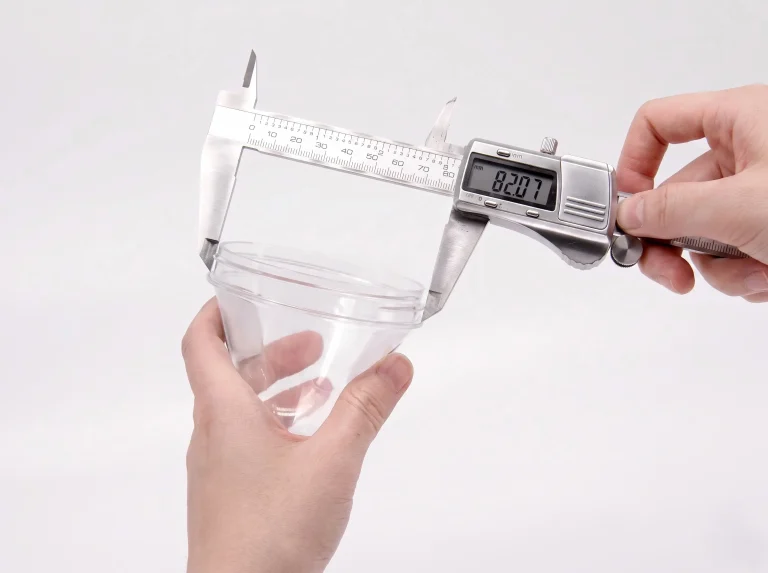
It is important to note that when verifying the neck finish size with a supplier, it is best to request their technical drawing for confirmation. This is because people may measure the preform finish using different or wrong standards. Therefore, the most reliable approach is to obtain the drawing, which will provide you with the exact finish dimensions and the measurement tolerance values. Regardless, the most important thing is still to master the correct method for measuring the neck finish size.
Obtaining the drawing not only gives you a more accurate understanding of the supplier’s neck finish size, but also allows you to review the thread design in detail, helping to avoid mismatches with caps or pumps. For example, ROPP preforms typically have a 28mm finish, but the thread design for plastic tamper-evident caps differs from that for aluminum tamper-evident caps. Without a technical document like a drawing to verify these differences, communication errors can easily occur.
At PAGpackaging, we not only provide preform drawings for your reference, but we also offer hands-on assistance for buyers who may not be familiar with drawing interpretation or neck finish size measuring. We can help verify the actual dimensions of your PET preforms through online manual measurements, video walkthroughs, and other supportive methods.
5.2 Gram Weight

Gram weight is the key factor that determines bottle wall thickness and hand feel. For bottles with the same shape and capacity, choosing PET preforms with different gram weights will result in PET bottles with varying wall thickness and rigidity. Generally speaking, the higher the gram weight, the thicker and more substantial the bottle wall, and the fuller the hand feel.
It is worth noting that even with the same capacity, square bottles and round bottles require different preform gram weights—typically, square bottles need a slightly heavier preform to ensure adequate rigidity on the flat surfaces.
Therefore, when selecting preform gram weight, bottle design is also a key reference factor. If you are unsure about which gram weight to choose, feel free to share your design requirements with us. At PAGpackaging, we can recommend the most suitable preform solution based on your bottle design and capacity needs.
5.3 Preform Length

There is a strict proportional relationship between preform length and the height and diameter of the blown bottle. If the ratio is imbalanced, it can easily lead to uneven blowing, whitening, or even bottle bursting. The industry-standard process control ranges are as follows:
- Axial stretch ratio (finished bottle height ÷ stretchable length of the preform): recommended to be controlled within 2.0 – 2.8
- Circumferential blow-up ratio (maximum finished bottle diameter ÷ preform outer diameter): recommended to be controlled within 3.5 – 4.2
Only within the above ranges can the molecular chain orientation and crystallinity of the PET bottle reach an optimal state, thereby ensuring mechanical strength and optical clarity/transparency.
It is worth mentioning that even if the preform’s thread type and the aforementioned parameters all meet the requirements, different buyers may also have a manual measurement tolerance of approximately ±0.5mm when measuring their own PET preforms to identify the right product.
Therefore, before making a final procurement decision, it is essential to verify the preform engineering drawings and request physical samples for production tests. This is not only a necessary step to check the fit between the finish and the cap or pump, but also the ultimate assurance to verify whether the preform interferes with the blow mold and whether it can run smoothly on the blow-molding machine.
6. How to Produce PET Preforms
The barriers to entry for PET preform mold development and injection molding, in terms of hardware, are not particularly high. A conventional production line can operate by following just six core steps outlined below.
It should be noted that the following process is primarily focused on daily chemical (personal care) preforms; process details for other application areas (such as beverages and food) may vary, and specific instructions for each step can be referenced accordingly.
6.1 Raw Material Drying

Drying is a prerequisite for ensuring that PET pellets are fully melted and stably injected within the injection molding machine. Under standard processing conditions, PET raw material is typically dried at 180°C for approximately 4 hours. It is important to note that the drying parameters are not fixed—both temperature and duration are influenced by the characteristics of the resin material itself. If switching to materials such as PP or ABS, the settings must be re-established based on their hygroscopicity and thermal stability.
6.2 Color Customization

If the final bottles require color customization, color masterbatch must be added to the raw material in specific proportions to produce translucent or solid-color preforms. For gradient or two-color PET preforms, a dual-color injection molding machine is required, which involves higher equipment investment and is typically seen only in customized production for high-end beverage or daily chemical preforms.
Furthermore, not all preform suppliers would allow color customization of their PET preforms. Large-cavity products such as PCO preforms or plastic easy-open can PET preforms, due to their complex mold structures and difficulties in color-change cleaning, often require suppliers to set very high MOQs.
The fundamental reason is that custom colors entail substantial material consumption and labor hours to clean the injection molding machine screw and hot runner system after production, in order to avoid residual colorants contaminating the next batch. This not only involves material loss but also machine cleaning time costs, directly reducing overall equipment effectiveness (OEE) and daily output profitability.
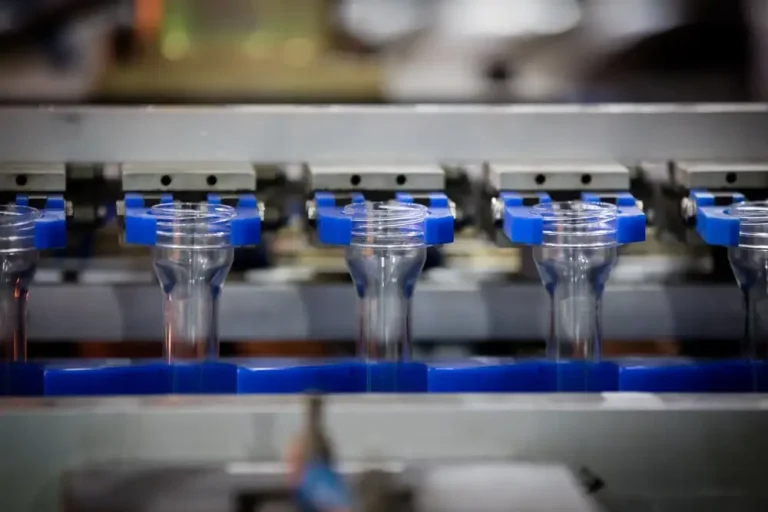
6.3 Injection Molding (Core Process)

The greatest technical challenge in preform production does not lie in mold development itself, but rather in the adjustment of equipment parameters during the injection molding stage. Preforms of different gram weights, wall thicknesses, and sizes have distinctly different requirements for injection pressure, holding pressure, injection speed, and back pressure.
What makes it even more challenging is that even if the supplier’s preform specifications are fixed, the injection molding process parameters are by no means static. Seasonal fluctuations in ambient temperature, mold wear after prolonged use, and changes in fit clearances all force technicians to continuously fine-tune parameters based on actual operating conditions.
Therefore, this stage demands not only a deep understanding of the defect mechanisms of PET preforms, but also extensive on-site production experience accumulated over time. It can be said that while the preform production process is not overly complicated, it is by no means a low-skill operation without technical barriers.
6.4 Gate Removal (Sprue/Gate Trimming)

Whether a preform has a gate remnant depends on the gate design type of the injection mold. Mainstream beverage preforms mostly use valve-gate hot runner molds, resulting in a smooth gate surface after molding with no secondary treatment required.
Daily chemical preforms, on the other hand, typically use open hot runner molds, and after demolding, the gate remnant usually needs to be trimmed off with dedicated equipment to ensure a smooth finish on the bottle neck end face.
6.6 Full-Line Quality Inspection

Daily chemical preforms are highly sensitive to surface appearance quality. During production, it is usually necessary to arrange full-line manual inspection or employ automated optical inspection (AOI) equipment, with a focus on detecting surface defects such as scratches, black spots, and flow lines.
In contrast, beverage preforms have relatively looser appearance requirements, with greater emphasis placed on mechanical properties and unit output. Their molds are typically high-cavity designs with 32 cavities or even 64 cavities or more, enabling daily production to exceed 1 million units. At such mass-production scales, full-line manual inspection is neither practical nor necessary.
Therefore, beverage preforms generally adopt sampling inspections or deploy high-speed vision inspection systems, focusing only on monitoring critical defects that affect blow-molding performance, such as black spots, short shots at the neck, bubbles, and support ring breakage.
6.7 Packing

The packing method for preforms varies depending on the application field and customer budget. Due to stringent appearance requirements, daily chemical preforms are mostly packed in films (layer-by-layer stacking) or individually bagged to prevent scratching.
Beverage preforms are relatively more flexible and can be packaged in bags or cartons. For overseas ocean freight procurement, carton packaging is highly recommended—not only does it facilitate forklift loading/unloading and container stacking, but it also effectively resists compression and moisture during long-distance transportation, ensuring the preforms arrive at the factory in good condition.
7. Challenges in Preform Procurement
Although PET preforms are relatively mature in terms of specification classification and automated production, this does not mean that preform procurement is an easy or simple task.
Below are several challenges that procurement professionals often face during the process. Understanding these pain points may help you plan and work more efficiently and to a higher standard.
7.1 Incomplete Preform Specifications Among Suppliers

PET preform procurement is not simply a matter of buying whatever you want. One practical challenge is that few suppliers offer a complete range of preform specifications—after all, the development cost of injection molds is high. In reality, what happens more often is that a supplier may have the right finish size but lack the matching gram weight option, or the ideal gram weight is available, but the finish size does not match.
As a result, buyers have to repeatedly verify, compare, weigh trade-offs, and make compromises across different suppliers. Therefore, the PET preform selection and procurement is a rather lengthy process that demands considerable patience.
7.2 High Customization Cost Barriers

Customization requirements for preforms typically focus on three dimensions: gram weight, finish size, and color. Among these, adjustments to gram weight and finish size often involve mold modifications or even entirely new development, and the cost of injection molds is significantly higher than that of blow molds.
To illustrate with a data example: a blow mold for a 300ml bottle (typically 1–2 cavities) costs around USD 1,200; however, the minimum configuration for an injection preform mold is 1×4 cavities, with development costs typically exceeding USD 5,000. This shows that the cost gap between the two is not incremental but multiples apart.
That said, the high customization barrier has not deterred high-end brands from continued investment. From a business perspective, the other side of the customization barrier is precisely a competitive moat—once a brand achieves differentiation, it can enjoy relatively independent pricing power and design authority in the market, thereby building a barrier that competitors cannot quickly replicate.
7.3 MOQ

The MOQ for PET preforms is mainly influenced by two factors: mold cavity count and whether customization is involved. For conventional daily chemical preforms, the MOQ is typically 10,000 units—which is exactly the underlying reason why many PET bottle procurement orders default to a 10,000-unit MOQ.
In addition, for some PET preforms with special finish sizes, the MOQ may also be set at 20,000 units. For PET preforms from multi-cavity molds such as PCO and Alaska, the MOQ threshold is usually based on weight, with a minimum of 2 tons typically required. If measured by quantity, the MOQ is usually 50,000 or 100,000 units.
From an overseas procurement perspective, if preforms cannot fill a full 20GP or 40HQ, the per-unit freight cost will rise significantly, and the unit price advantage of the product will be difficult to realize. Although PET Preforms themselves are low-value goods, in the chain of bulk procurement and mass production, every penny of per-unit cost difference will ultimately be passed on to the cost structure and market competitive position of the end product.
8. The Impact of Filling Processes on Preform Selection

The filling process of PET bottles is the most easily overlooked critical factor in preform selection — especially for procurement professionals new to the industry, the deep correlation between filling methods and preform design often falls outside their scope of awareness.
In fact, the filling temperature directly determines the core design requirements of the preform. Hot-fill preforms and standard preforms differ significantly in terms of neck thread design, gram weight, and material formulation for the neck finish.
As shown in the illustration above, the neck designs for PCO preforms used in hot-fill and cold-fill applications are distinctly different. Below is an overview of the current mainstream filling methods and their corresponding preform characteristics.
8.1 Hot-Fill

Hot-fill refers to the process in which the product, after sterilization, is still at a high temperature when filled, and the heat from the product itself is used to perform secondary sterilization on the inner wall of the PET bottle. The advantage of this technology is that it does not require independent sterilization pretreatment of the bottle or cap; it only needs to ensure that the product is maintained at a high temperature for a sufficient period to meet the sterilization requirements of the packaging stage.
Hot-fill can be further divided into two categories:
- High-temperature hot-fill: filling temperature of 85–97°C
- Medium-temperature pasteurization hot-fill: filling temperature of 65–75°C
It should be particularly noted that some high-acid fruit juices or specific formula beverages may have filling temperatures as high as 120°C. In such cases, conventional PET preforms can no longer meet the heat resistance requirements and must be replaced with high-temperature-resistant PP preforms.
Since PET material tends to soften and deform at high temperatures, hot-fill preforms must be specifically designed in the following three aspects:
- Neck wall thickness: must be significantly thickened to resist creep tendency under high temperatures
- Neck inner diameter: typically smaller than that of cold-fill preforms to enhance structural rigidity
- Material formulation: conventional PET cannot be used; modified heat-resistant grade PET must be adopted to ensure that the neck finish does not undergo irreversible deformation at high temperatures
8.2 Cold-Fill (Aseptic Fill)

Cold-fill does not mean that the product is filled at low temperatures; rather, the product is first subjected to UHT (Ultra-High Temperature) sterilization at 135–145°C, then rapidly cooled to approximately 25°C. Meanwhile, the PET bottles and caps are independently sterilized, and the filling is subsequently carried out at ambient temperature or low temperature (5–10°C) in a sterile environment.
Compared to hot-fill, cold-fill has lower requirements for the heat resistance of PET preforms and caps. The gram weight of PET preforms for cold-fill can typically be reduced by 30%–50% compared to hot-fill, meaning that preform procurement costs are significantly lowered, helping to reduce overall packaging material expenditure.
However, the trade-offs of cold-fill include:
- Extremely high production environment requirements: typically require a Grade D clean room as the background environment, with the filling area locally meeting ISO Class 5 (Grade A) cleanliness standards
- Substantial equipment investment: the capital cost of an aseptic filling line is typically dozens of times higher than that of a hot-fill line
9. Quality Standards for Preforms
The focus of quality standards for preforms varies across different application fields. However, regardless of the field, two main PET preform quality dimensions are important to both the supplier and the buyer.
The content below can serve as a reference framework for buyers when establishing acceptance criteria. To learn more about PET preform quality inspection items, we recommend referring to our article “Essential Quality Inspection for PET Preforms” for procurement professionals to establish a complete acceptance and quality control system.
9.1 Material Testing

If we don’t distinguish by field, one might assume that all PET bottles are made from the same raw material. In reality, however, different application fields have fundamentally different requirements for material grades and performance indicators—meaning that PET does have its own grades.
In the food and daily chemical sectors, packaging appearance and compatibility with the contents are the primary considerations. Therefore, preforms for these two categories are typically required to be produced from food-grade virgin PET material. Buyers can request suppliers to provide FDA certification, MSDS (Material Safety Data Sheets), and batch test reports to ensure compliance and safety in subsequent filling processes.
The beverage sector also uses food-grade PET, but imposes higher requirements on the process control of preform production. High-quality injection molding processes can maintain the preform’s intrinsic viscosity (IV value) within a reasonable range and effectively control residual stress and acetaldehyde content (AA value).
Among these, an excessively low IV value will reduce the bottle’s pressure resistance, making it prone to rupture; excessively high residual stress makes the preform brittle and prone to cracking during blow molding. If the AA value exceeds the limit, once blown into bottles and used for filling water or beverages, the contents may develop a noticeable off-taste, directly affecting the consumer experience.
The pharmaceutical sector requires medical-grade PET material. Compared to food-grade, medical-grade PET offers better biocompatibility and can withstand disinfectants and drug ingredients commonly used in medical devices. At the same time, its antibacterial properties can effectively inhibit bacterial growth, meeting the stringent requirements of pharmaceutical packaging materials.
Therefore, although collectively referred to as “PET,” the material grade requirements for preforms actually differ across fields. Before placing an order, buyers should clearly communicate the product type and application scenario to the supplier, so that the supplier can provide a targeted preform solution after comprehensive evaluation. At the same time, necessary material testing should be conducted on received preform samples to ensure they meet the actual needs of packaging production.
9.2 Appearance Inspection

Appearance inspection involves the most items in preform quality control, but its scope extends far beyond surface defects that affect the aesthetics of the blown bottle. In fact, some appearance defects can directly impair the functional performance of PET bottles.
Take tiny bubbles as an example: bubbles are essentially areas of missing material within the preform wall thickness. During stretching and blow molding, these areas become exceptionally thin and may fail to withstand subsequent filling pressure, stacking loads, or impact during transportation, leading to breakage of the finished bottle in actual use.
Such micro-defects that affect functionality are often imperceptible to the naked eye. This is precisely why preform suppliers for large-volume orders typically deploy online vision inspection systems (AOI) on the production line—not only to screen for scratches and color differences that affect aesthetics, but also to eliminate critical defects that may compromise blow-molding performance. Similarly, if conditions permit, brand owners can also deploy or borrow such equipment for incoming material inspection before preforms are sent to the blow-molding machine, thereby reducing the scrap rate at the blow-molding stage from the outset.
In addition, some appearance imperfections do not manifest at the preform stage but only become visible after blow molding—such as color deviation, flow lines, and fine scratches. Therefore, for colored preforms or packaging with special transparency requirements, buyers should request that suppliers provide pre-production samples and complete blow-molding validation to confirm that the finished bottle’s appearance and color meet expectations before proceeding to mass procurement.
10. Factors Affecting Preform Pricing
As a downstream derivative of petroleum, PET prices have a natural linkage with crude oil market trends—they are not fixed but fluctuate with international oil prices. The most direct example is the crude oil supply shortage triggered by the escalation of tensions between the US and Iran in 2026 and the blockage of the Strait of Hormuz: within just a few months, crude oil prices surged dramatically, driving upstream raw material prices up by approximately 40%, with PET preform prices following suit.
However, even when the market trend is clear—whether moving upward or downward—buyers will still find that quotes from different suppliers always show some disparity. This difference does not arise solely from varying profit aspirations among suppliers, but is more significantly determined by differences in their production cost structures, mold configurations, and other factors. Below are the five core factors affecting preform pricing that we have summarized.
10.1 Crude Oil Prices

From the above analysis, it is not difficult to see that crude oil prices indeed influence PET prices. However, crude oil prices are only an important reference for assessing the market trend for PET preforms, not a direct basis for procurement negotiations. The reasons are: there is a time lag in the transmission of crude oil price increases to PET preform price adjustments; different suppliers have varying inventory levels, and some have the capacity to buffer costs in the short term.
At the same time, the magnitude of PET price increases usually does not fully synchronize with crude oil price increases. Factors such as processing fees, logistics costs, and market supply-demand dynamics along the industrial chain all affect the final pricing outcome. Nevertheless, fluctuations in crude oil prices can still help you indirectly analyze the price trend of PET preforms and plan your preform procurement in advance.
10.2 Mold Cavity Count
Mold cavity count is a hard technical indicator that directly affects the unit price of PET preforms. Generally speaking, the higher the cavity count, the greater the output per unit of time, and the lower the equipment depreciation and labor cost allocated to each individual product—making the unit price naturally more competitive.
When two suppliers quote significantly different prices for the same preform specification, the discrepancy may not necessarily stem from differences in material grades or profit margins. More often than not, it is simply because their mold cavity counts are not on the same level. Production scale determines their respective cost baselines and ultimately forms each supplier’s own price barrier.
The impact of mold cavity count on unit price is not unique to PET preforms—the same rule applies to other injection-molded parts as well: the higher the cavity count, the lower the per-unit cost, but the mold development cost also increases accordingly.
10.3 Fixed Costs

Labor costs and facility expenses vary considerably across different regions, which directly affect the production cost of preforms. In addition, the software and hardware investments, such as quality inspection equipment and professional personnel at the factory, also constitute a non-negligible fixed expenditure.
It is worth noting that although some high-configuration manufacturers quote higher prices, they still manage to attract continued cooperation from top-tier clients—the core reason lies in quality consistency. For high-volume procurement, whether a supplier can consistently deliver products of uniform quality at a million-unit scale is far more critical than saving a few cents per preform.
10.4 Customization Requirements

Customization requirements for PET preforms mainly focus on three dimensions—color, structure, and material—each of which directly affects the final quote.
In terms of color, there are inherent price differences between solid-color, translucent, and transparent preforms. In terms of material, whether PCR is added, whether UV-resistant additives are included, and the respective addition ratios all have a noticeable impact on material costs.
In addition, structural customization involving mold modifications or new development incurs even more significant cost increases, often directly driving up the unit price of the preform.
10.5 Order Quantity
PET Preforms are low-value goods. For companies that procure PET preforms through international channels, the impact of order quantity on the final unit price cannot be ignored. Ocean freight itself is a fixed cost; if a single purchase quantity is insufficient to fill a standard container (20GP or 40HQ), the per-unit freight allocation will rise significantly, directly increasing the landed cost of the preforms. This cost will inevitably be passed on to the pricing of the finished bottles.
PET bottles are also low-value products, and the market is highly price-sensitive. Any minor cost increase may undermine the competitiveness of the end product. Therefore, properly planning procurement batches and ensuring full-container shipments is an effective strategy for controlling preform costs in international procurement.
A Different Approach to Preform Solutions
Conventional preform solutions tend to focus primarily on procurement cost optimization—reducing packaging costs, offering more competitive sea freight quotes, adjusting payment terms and trade conditions—with the ultimate goal of presenting the customer with a number that looks “cost-effective” on the price sheet. There is certainly nothing wrong with that approach. But frankly speaking, that is merely the standard answer from a conventional preform supplier.
As a manufacturer with over a decade of deep experience in this industry, we believe that a truly valuable preform solution should not start with “price”—it should start with “value.” That means using the preform—a seemingly simple semi-finished product—to help build a packaging system with sustainable and scalable competitiveness.
After reading through the background of PET preforms, their classification logic, production processes, and key selection criteria for different application scenarios, you may have already realized: a preform is never just the “predecessor” of a bottle—it is the very first element to be defined in the entire packaging design, and yet it is also the most easily overlooked “origin point.”
That is precisely why, in our customized packaging services, we often start with the preform itself to build unique and competitive packaging solutions for our clients. Starting from the PET preforms, we work backward to identify optimization opportunities at every stage of the packaging chain.
If you would like to have a bottle that stands out from the crowd, we welcome you to bring your ideas to us. With over a decade of production experience, we can help turn your concept into a PET packaging solution that is manufacturable, consistent in quality, and priced within your expectations—a bottle that is truly your own.