Book Categories:

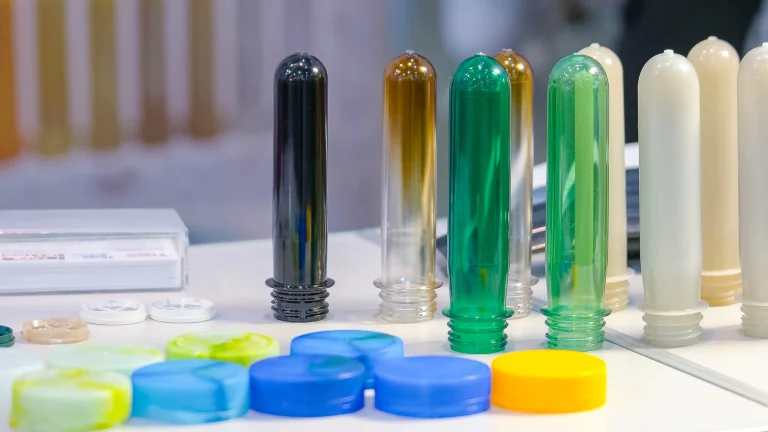
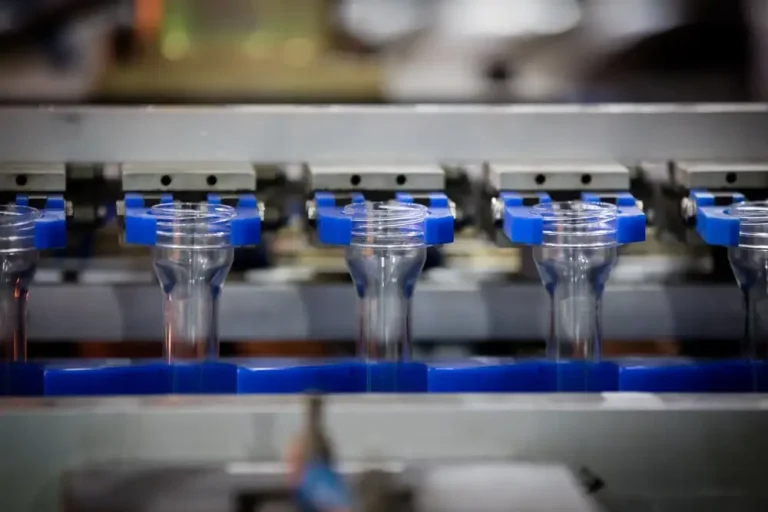
PET preforms are the initial form in the plastic bottle manufacturing process. The PET Preform quality, such as the preform’s dimensional accuracy, thickness distribution, and appearance, not only affects the smoothness of the production process but also directly impacts the final molding of the bottle. Therefore, requesting sample preforms from suppliers for inspection before making a bulk purchase is crucial.
As a preform manufacturer, we are more than happy to provide samples to our customers. Through sample verification, both parties can reach a clear consensus on the PET preform quality and the quality of the preform bottles, which helps reduce potential misunderstandings and allows customers to identify and avoid possible issues in advance, thus minimizing risks during large-scale production.
However, receiving the sample is just the first step. To ensure the stability and consistency of the preforms during mass production, buyers need to conduct a series of necessary inspections and tests. These tests not only confirm that the samples meet design specifications but also provide a reliable quality standard for the full production run.
Here, we will detail the key tests and inspections buyers should perform upon receiving the preform samples to ensure the PET Preform quality meets the expected bottle quality standards.
1. Preform Dimensional Measurement

During the preform sample acquisition or early procurement stages, PET preform suppliers typically provide clients with detailed drawings and relevant technical sheets. While these technical documents serve as important references for selection and evaluation, relying solely on drawing information in actual procurement decisions carries certain limitations.
Obtaining physical samples and conducting dimensional measurements is a critical step in verifying the accuracy of the drawing data and confirming whether the PET preform quality meets expectations.
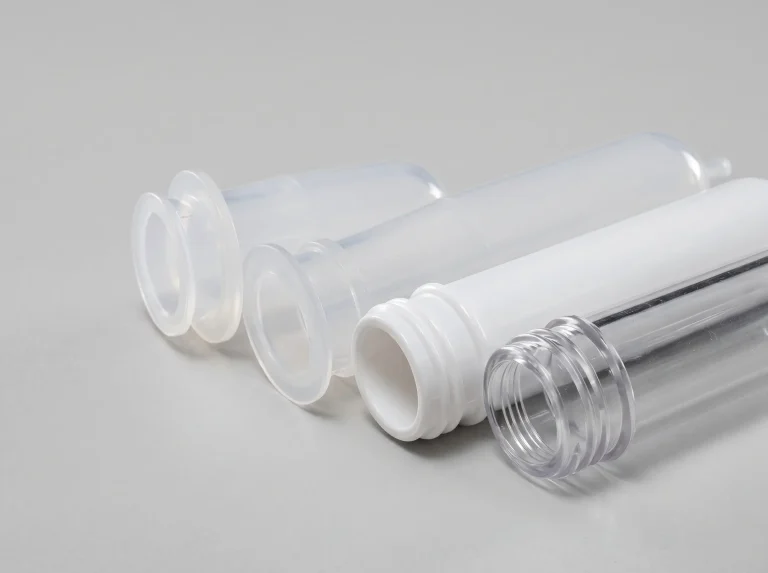
On one hand, there may be tolerance accumulation or interpretation discrepancies between the drawing data and the actual parts—particularly in the description of thread structures. Different mold manufacturers may use varying terminology and design layouts, and sometimes the thread type is not fully conveyed in the drawing alone. However, thread pitch and thread travel are precisely the parameters that affect preform classification. Therefore, obtaining physical samples to accurately measure the neck finish size and understand the thread structure is especially important.
On the other hand, if drawings are not available, both the buyer and the supplier must rely on manual measurements to obtain dimensional data—and different measurement methods often result in significant discrepancies.
Therefore, in addition to combining drawing review with physical inspection, understanding how to measure preform dimensions correctly is equally crucial, as it helps effectively reduce potential risks in sample acquisition and subsequent mass production.
Generally speaking, preform dimensional measurement focuses on three key parameters: neck finish size, gram weight, and preform length. Among these, the neck finish size is considered the most prone to measurement error and is also the most critical measurement item—it not only directly affects whether the preform can be smoothly blow-molded, but also determines whether it can be properly matched with existing closures, pumps, or other accessories.
To achieve more accurate neck finish measurements, we recommend referring to the bottle neck measurement methods described in our previous article, so as to establish a more unified technical language when communicating with suppliers.
It can be said that dimensional measurement reflects far more than just “whether the values are correct”—it is, in essence, a preliminary quality inspection of the overall pet preform quality.
By combining the supplier’s drawing data with actual sample measurement results, we can clearly assess whether the dimensional data is consistent, whether the wall thickness distribution is uniform, and whether the critical fit areas fall within the specified tolerances. These factors, in turn, will ultimately affect the performance of the blow-molded bottle.
Therefore, dimensional accuracy is the first threshold for pet preform quality and the foundation for trouble-free downstream production. Obtaining samples and conducting thorough dimensional measurements during the early procurement stage is not merely a “product inspection”—it is a critical step in building a solid foundation for the entire packaging project.
2. Preform Gram Weight Check

Preform gram weight is an important parameter that influences the perceived quality of the final bottle. For the same capacity, a heavier preform produces a thicker, stiffer bottle body that resists deformation when squeezed—delivering a solid, durable handfeel. A lighter preform, on the other hand, results in a thinner bottle with a lighter feel, which may appear less substantial on the shelf or during daily use.
It can be said that gram weight is an invisible indicator that directly affects the consumer’s first impression of the packaging. However, a higher gram weight does not necessarily mean better pet preform quality. The pet preform quality can only be determined by examining its appearance and the performance of the bottle after blow molding.
However, preform gram weight is not a parameter that brands can freely choose—it is constrained by the supplier’s existing mold designs. Not all suppliers offer the same range of standard gram weights. Therefore, during the selection process, buyers often need to strike a balance between the desired bottle handfeel and the gram weight options available from the supplier.
While there is no absolute industry standard for gram weight, there are general reference ranges for specific capacities and neck finishes. For example, for a standard 24mm neck finish skincare bottle, a 100ml capacity typically corresponds to a preform weight of approximately 16g. The exact value should be further confirmed based on the specific bottle design and usage scenario.
It is important to note that a difference of 1–2g between preforms from different suppliers generally does not significantly affect the final blow-molding result or bottle firmness. However, if the difference reaches 5g or more, it is worth paying attention to—such a deviation may lead to uneven wall thickness distribution or changes in the stretch ratio during blow molding, which can affect the overall rigidity and structural integrity of the bottle.
In addition, there is typically a certain margin of deviation between the gram weight indicated on the drawing and the actual sample—a variance of ±0.5g is generally considered within the normal range. If the deviation exceeds this range, we recommend further verification with the supplier to check for any material changes or pet preform quality issues.
3. Appearance Inspection

Different preform suppliers have varying internal quality inspection items and testing standards. These differences stem not only from the level of automation in their equipment, but also from the specific end-use applications of the preforms.
Take drinking water packaging as an example. Preforms used in this sector typically have a lower unit value, and the final product price is highly sensitive to packaging material costs. As a result, pet preform quality control in this segment tends to focus less on flawless appearance—minor mold flow marks or transit scuffs are often considered acceptable—and more on whether the structural defect rate in mass production remains stable and controllable. Key concerns include visible black spots, bubbles, contamination, or short shots that could affect blow-molding performance or filling yield.
In contrast, preforms used in cosmetics or food applications are held to much higher surface quality standards. These packaging formats carry brand identity and directly impact consumer experience. Even slight cosmetic defects—such as scratches, flow lines, color deviation, or uneven haze—can detract from the product’s visual appeal on the shelf. Therefore, inspection criteria for these pet preform quality tend to be more rigorous, covering dimensions such as appearance, gloss, transparency, and surface smoothness.
Regardless of which type of preform supplier you work with, it is essential for the brand to clearly define its minimum appearance requirements at the early stage of the project. At the same time, it is equally important to understand the inherent limitations of automated injection molding—such as unavoidable parting line marks and minor flow lines—and to establish pet preform quality standards that are both practical and capable of upholding the brand’s quality image.
It is worth noting that the sampling process for preforms is much simpler than for finished bottles, as it does not involve variables introduced during blow molding. Therefore, the sample condition tends to reflect the appearance quality of the mass production run fairly accurately.
This also means that sample pet preform quality evaluation is not only an effective window into the supplier’s quality capability, but also the brand’s final opportunity to adjust and confirm appearance requirements before mass production. Taking sample review seriously and aligning pet preform quality standards with the supplier on this basis is a key step in ensuring consistent delivery quality in mass production.
4. Blow Molding Test

The PET preform quality inspection tasks described above are concentrated around the sample acquisition stage—covering drawing verification, dimensional measurement, gram weight evaluation, and initial appearance checks. While these may seem like fine details, they are precisely the critical steps that should not be overlooked in the early procurement phase, as they directly affect the controllability of mass production quality.
However, the stage where preform quality truly “becomes visible” is still the blow-molding trial. No matter how precise the drawing data or how flawless the sample appearance may be, once the preform enters the blow-molding process, its real performance under high-temperature stretching and high-pressure blowing will reveal whether its internal quality is stable.
We recommend that for a general preform test, you try to obtain approximately 30 samples for blow-molding verification on a single bottle specification. During this process, issues such as bubbles, black spots, contamination, uneven wall thickness, or residual injection stress will be clearly reflected on the finished bottle—whether in the form of cosmetic defects or structural weak points, nothing remains hidden.
It should be noted that preforms with different gram weights and wall thickness distributions require different process parameters—such as blow temperature, blowing pressure, and stretch speed. If you encounter pet preform quality issues such as whitening, uneven blowing, thin spots at the base, or stress cracking during testing, please feel free to contact us at any time. We are not only a professional preform manufacturer, but also have years of hands-on experience in PET bottle blow molding. We can provide practical troubleshooting advice and after-sales support tailored to your bottle design and equipment setup.
5. PET Preform Material Test
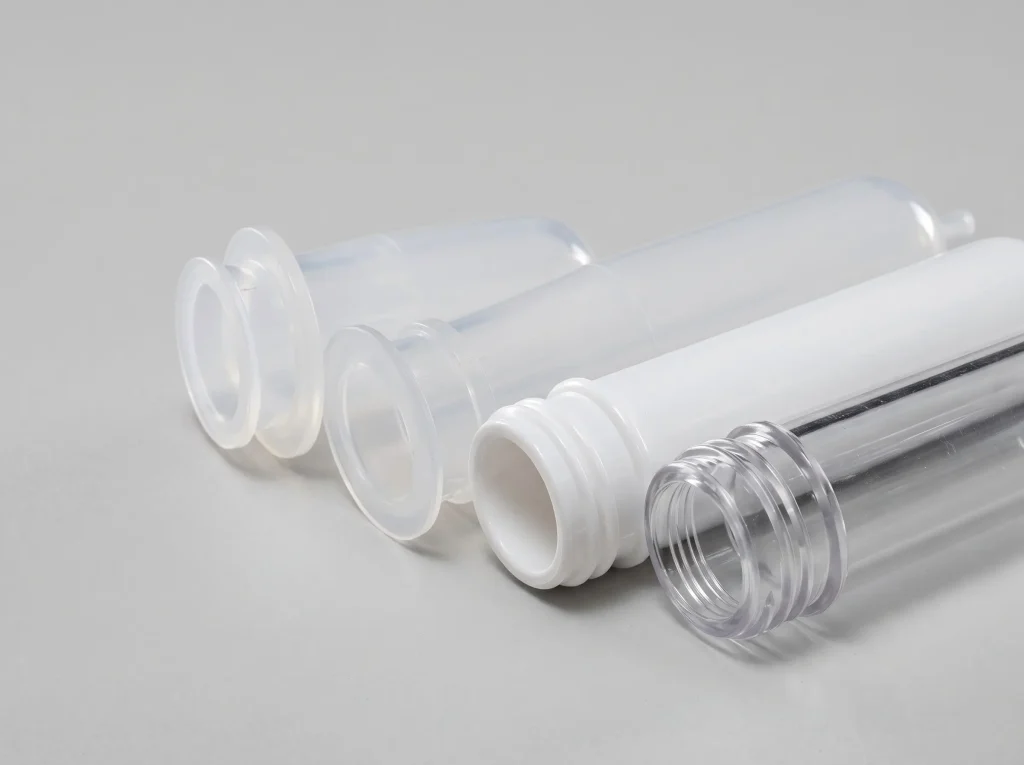
The PET preform quality is largely influenced by the quality of the PET resin itself. PET pellets from different raw material suppliers vary in properties such as intrinsic viscosity, acetaldehyde content, and thermal stability. Therefore, once production-side factors such as equipment parameter settings and mold conditions have been ruled out, most preform quality issues—such as surface yellowing, insufficient transparency, whitening during blow molding, or uneven stretching—can typically be traced back to the raw material side.
This is particularly true when custom color matching is involved. The thermal stability of the resin and the dispersibility of the color masterbatch have a significant impact on the final color outcome. If the resin quality is inconsistent, even with accurate color masterbatch dosing, issues such as color deviation or yellowing may still occur after blow molding.
It should also be noted that different packaging sectors place emphasis on different testing parameters for preform raw materials. For water bottles, for example, the key performance indicators typically include acetaldehyde content, intrinsic viscosity, and moisture content. Excessively high acetaldehyde content not only affects process parameter control during blow molding, but may also leach into the product after filling, causing off-taste and impacting the sensory experience and safety of the final product. Therefore, controlling such parameters is particularly critical for water preforms.
That said, material-level performance testing of this kind generally relies on the supplier’s certificate of analysis (COA). If the brand requires independent verification of the material properties of finished preforms, or has concerns about quality variations between resin batches, it will be necessary to engage a qualified third-party testing laboratory for sample analysis, in order to obtain objective and impartial assessment results.
6. PET Preform Quality Checklist
The preform sample testing outlined above applies only to physical preforms. 3D-printed preforms cannot undergo these tests, as they are primarily used as a visual reference prior to mold creation. Their dimensional accuracy is lower, and the materials used differ from those of actual preforms.
As a PET preform manufacturer with over 10 years of experience, we are happy to provide standard preforms to customers free of charge.
However, for preforms with custom colors or specifications, an additional fee may apply. This sample cost can be credited or refunded when placing a bulk order.
If you require specific preform products, feel free to reach out to us, or we may already have preforms that meet your requirements.