Book Categories:

1. What is Reusable Packaging?

In everyday discussions, people can easily confuse reusable packaging with recyclable packaging. The EU’s PPWR defines “re-use” as any operation where reusable packaging is used multiple times for the same purpose it was originally designed for. Therefore, reusable packaging can be understood as packaging whose materials or structure can be used for at least two or more cycles within its original application.
This type of packaging typically exhibits outstanding performance in terms of chemical resistance, weather resistance, and impact resistance. Additionally, such packaging can generally still enter the market’s recycling system after multiple uses, achieving circular resale or material-level recycling and regeneration through processes such as collection, cleaning, sorting, and remolding.
2. What are Reusable Packaging Materials?
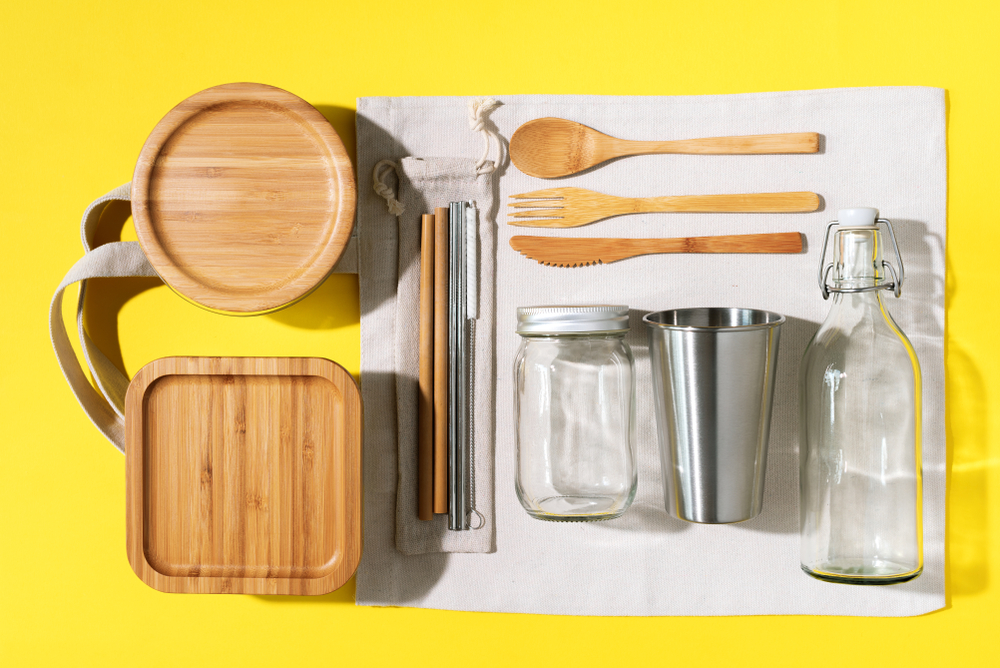
There are many types of materials that can be used to make packaging, but not all of them are suitable for reuse in the same scenario. Whether a package can achieve multiple cycles of use depends not only on the physical and chemical properties of the material itself, but also on the requirements of its first-use scenario and its recycling and processing methods.
The following sections will explain, by major material categories including plastics, glass, and metal, the typical advantages, application limitations, and suitable scenarios for each type of packaging in terms of reusability.
2.1 Reuse of Plastic Packaging
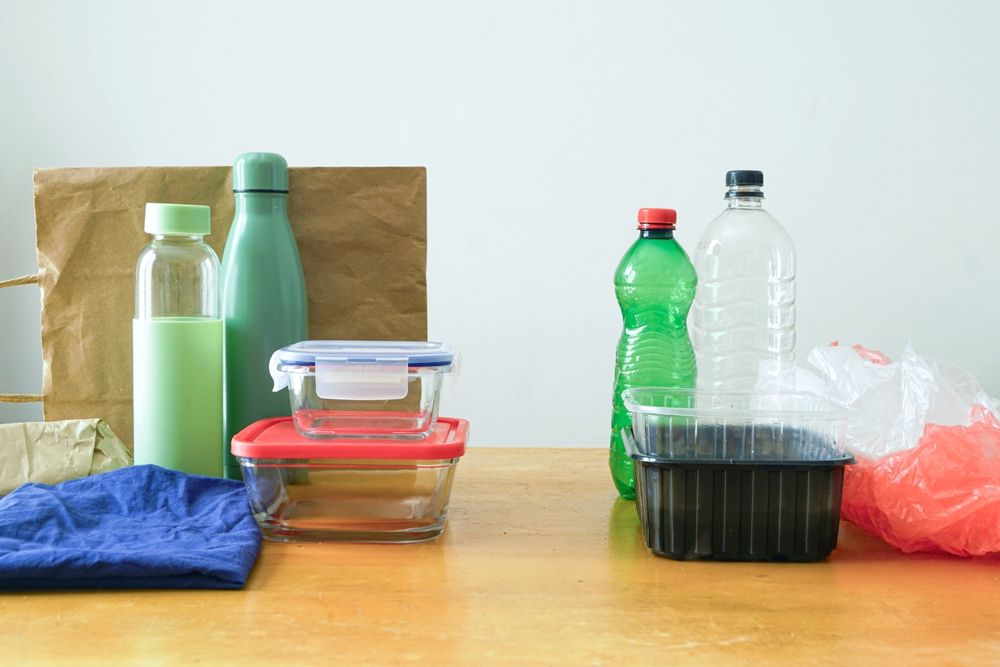
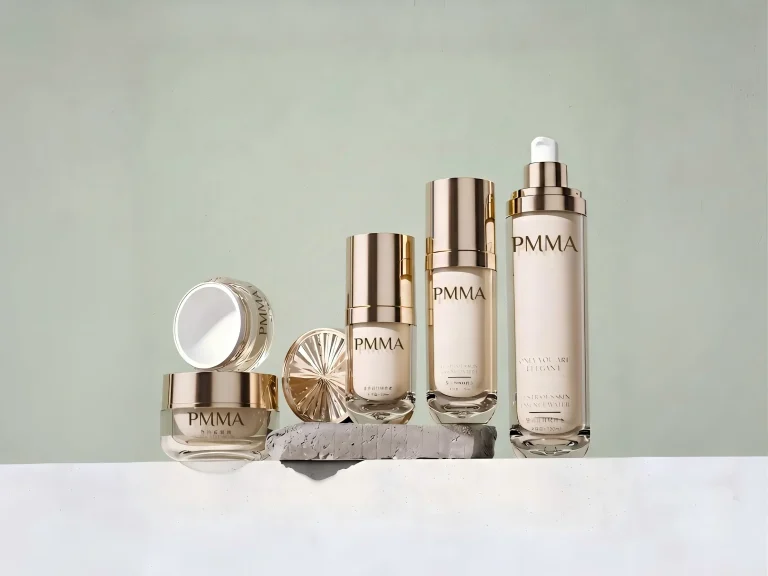
According to incomplete statistics, there are currently several hundred types of plastic materials developed by humans (including different formulations and copolymers), but only about 20 are widely used in the packaging field. In addition to the 10 common plastic materials used in cosmetic packaging, this also includes specialty plastics such as PC, PCT, and PPSU, which are used in food and beverage packaging.
Theoretically, plastics suitable for packaging generally possess good physical and chemical properties. For example, excellent impact resistance makes them less prone to breakage during use, which to some extent provides the possibility for diverse secondary-use scenarios. However, strictly speaking, the number of plastic types that can achieve secondary or even multiple uses within the same scenario remains very limited.
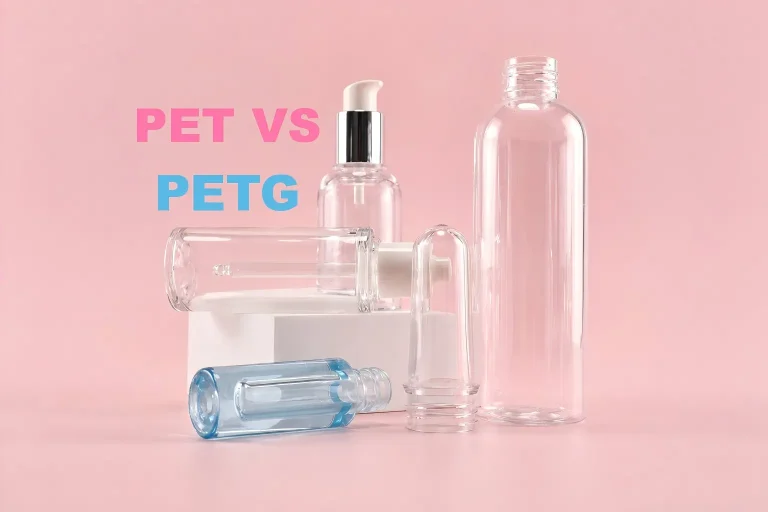
Take the most common PET plastic as an example. When PET is used as cosmetic packaging or food and beverage packaging, secondary use is generally not recommended. There are two main reasons for this. First, the initial purpose of such packaging is to hold skincare products or food that comes into direct contact with the human body. If not thoroughly cleaned before secondary use, it may affect the efficacy of the new contents or even pose health risks. Second, although PET has good weather resistance and impact resistance, long-term use inevitably leads to material aging, with its molecular structure gradually loosening, potentially releasing microplastics, which are harmful to the human body. Additionally, when PET bottles are used at temperatures exceeding 70°C, the aging process accelerates, which also means that PET cannot be sterilized at high temperatures and then reused. Therefore, it is generally not recommended to reuse PET bottles for skincare products, food, or beverages.
However, when the application scenario changes, or when PET enters the recycling system, secondary use or even multiple cycles of use become feasible. For example, products made from PET, such as storage boxes or clothing, can generally be recycled and reused multiple times. Moreover, clean and intact PET bottles can typically be reprocessed through recycling into PCR (Post-Consumer Recycled plastic) and reintroduced into the packaging field. Currently, the common plastics that can enter the PCR recycling system mainly include PET, PP, and HDPE.
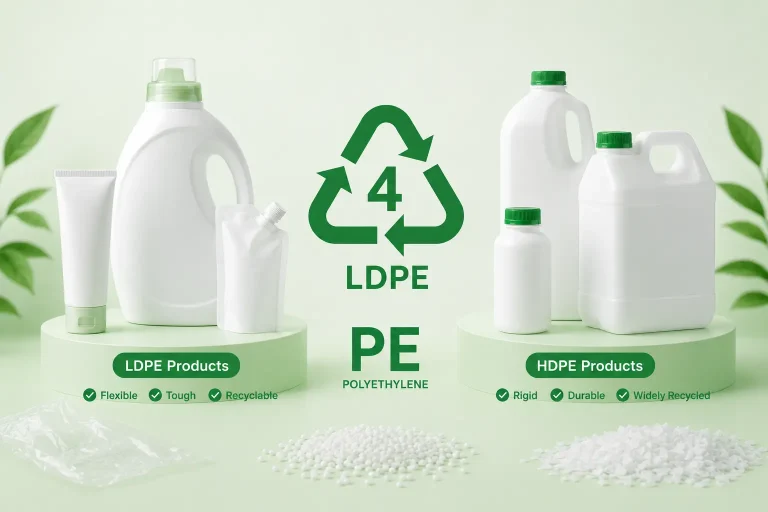
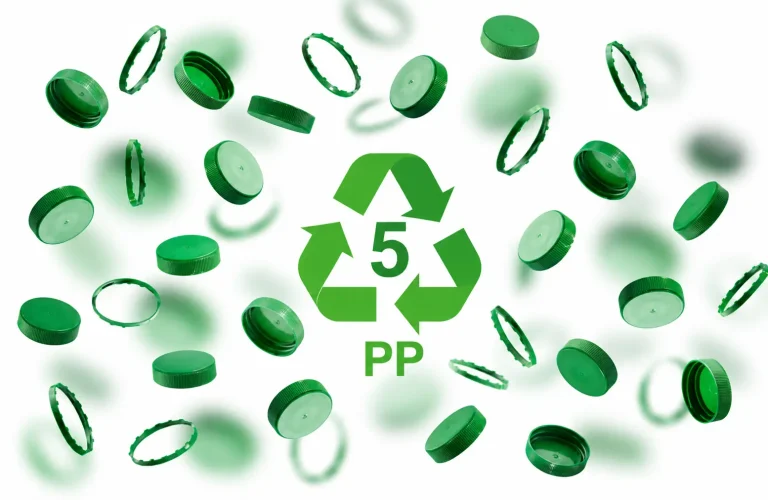
Many people think of the plastic recycling codes 1 – 7 when discussing plastic reuse, but in fact, these codes have no direct relationship with whether a plastic can be reused or how many times it can be reused.
From the above analysis, it can be seen that the circular use of plastics depends not only on the material’s inherent properties but also on its initial use scenario and recycling treatment methods. Given the wide variety of plastics, this article does not elaborate on their reuse cases in every scenario. If you have any questions about the reuse of a specific plastic, please feel free to leave a message at the bottom of the article or contact us by email for answers.
2.2 Reuse of Glass Packaging
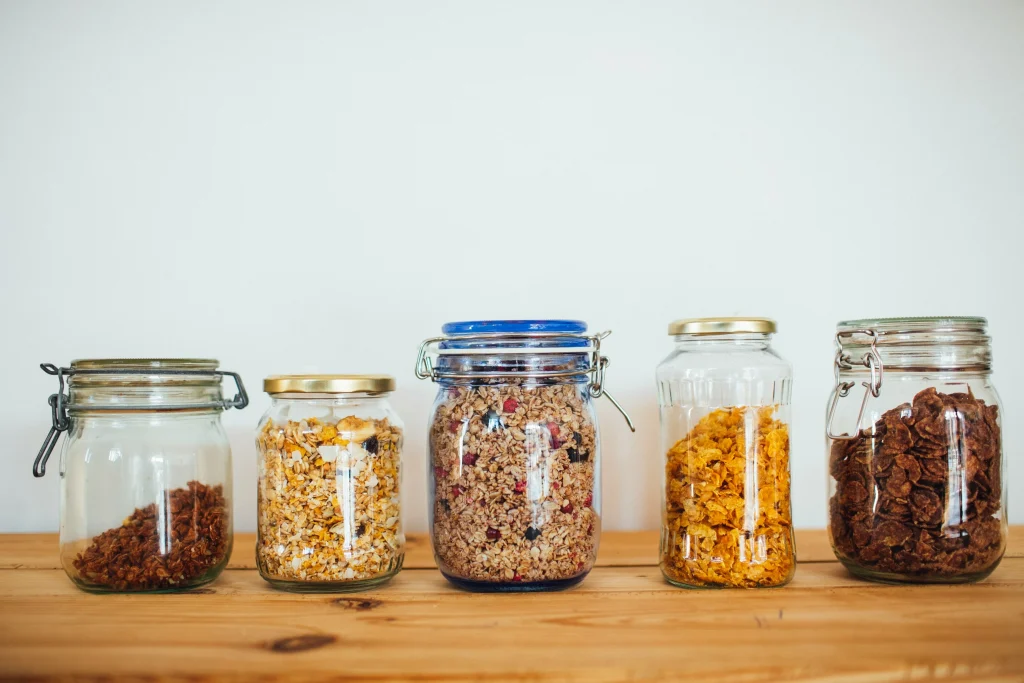
Compared to plastics, glass offers a significant advantage in terms of hygiene safety when reused. Even glass containers that have previously held skincare products or food present considerably lower risks for secondary use than plastics — the key reason is that glass can withstand high-temperature washing and steam sterilization (typically up to 300°C or higher), effectively eliminating residual microorganisms and ensuring the hygienic safety of food or cosmetics during secondary use. More importantly, the chemical structure and physical form of glass are extremely stable — it does not release harmful substances due to high temperatures or aging.
Furthermore, the recycling system for waste glass is more mature than that for plastics. Glass is one of the very few materials that can be infinitely recycled with virtually no loss of performance. Therefore, whether it is secondary use of glass packaging by consumers after cleaning and sterilization, or waste glass entering the recycling system, its value for reuse is relatively high.
In contrast, during each recycling process, the molecular chains of plastics typically break or degrade, leading to a gradual decline in mechanical properties, transparency, and other indicators. PCR plastics, for example, have a limited number of recycling cycles — generally around 7 to 9 times — and eventually end up being used in low-value-added plastic products, a process known as “downcycling.”
2.3 Reuse of Metal Packaging
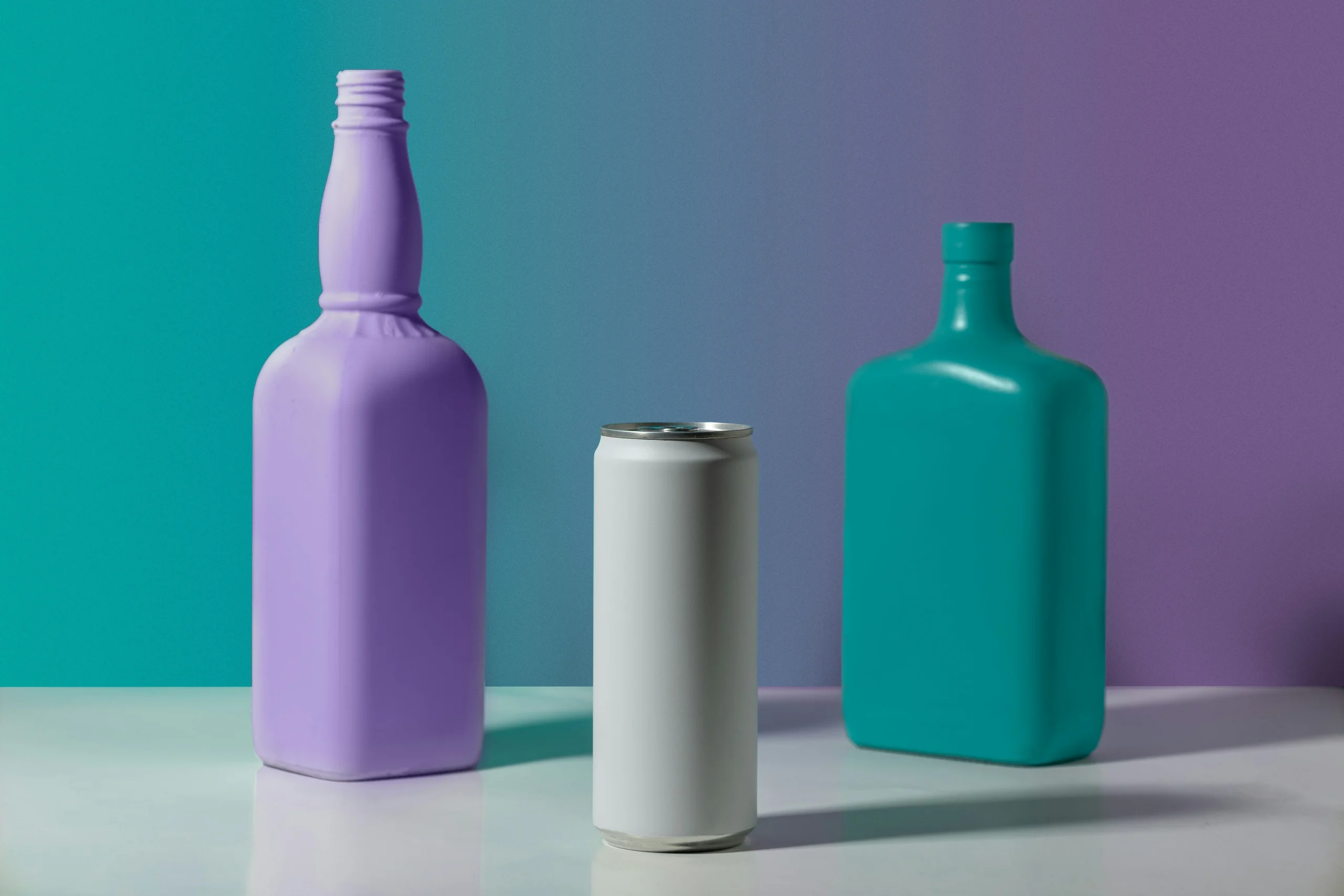
Many metals—such as gold, silver, aluminum, and stainless steel—are like glass in that they are among the few materials capable of being recycled infinitely with virtually no impact on their mechanical properties. In theory, metal containers should have excellent potential for circular use. However, not all metal packaging can be easily reused for a second or multiple cycles within its original use scenario.
Take the most common aluminum packaging as an example. Although aluminum packaging used for cosmetics and food could theoretically be reused, its actual recycling and reuse rate is very low.
First, consider aluminum cosmetic packaging. This type of packaging typically has a thin coating on the inside, which serves both to prevent aluminum ions from leaching out and to avoid adverse reactions between the cosmetic product and the aluminum layer. If consumers do not use the correct cleaning method, the coating inside the aluminum bottle can easily be scratched or partially removed during cleaning, which will directly affect the bottle’s performance during secondary use.
Second, consider aluminum food packaging, such as aluminum foil and beverage cans. These also face the risk of coating damage. Moreover, for aluminum bottles with caps, repeated opening and closing can cause wear or deformation at the bottle neck and threads, leading to reduced sealing integrity and compromising the protection of the contents during secondary use.
It is worth pointing out that although aluminum packaging is regarded as “hard currency” (with high recycling value) in the recycling industry, public awareness of secondary use and recycling remains relatively weak. For lightweight, small-volume aluminum packaging such as aluminum foil, people often do not know how to recycle it properly, or it is easily overlooked in mixed recycling streams. As a result, much aluminum packaging ends up being used only once and then discarded. Alternatively, it fails to enter a dedicated recycling system and is instead downcycled with mixed waste, failing to realize its inherently excellent circular potential.
2.4 Reuse of Paper Packaging
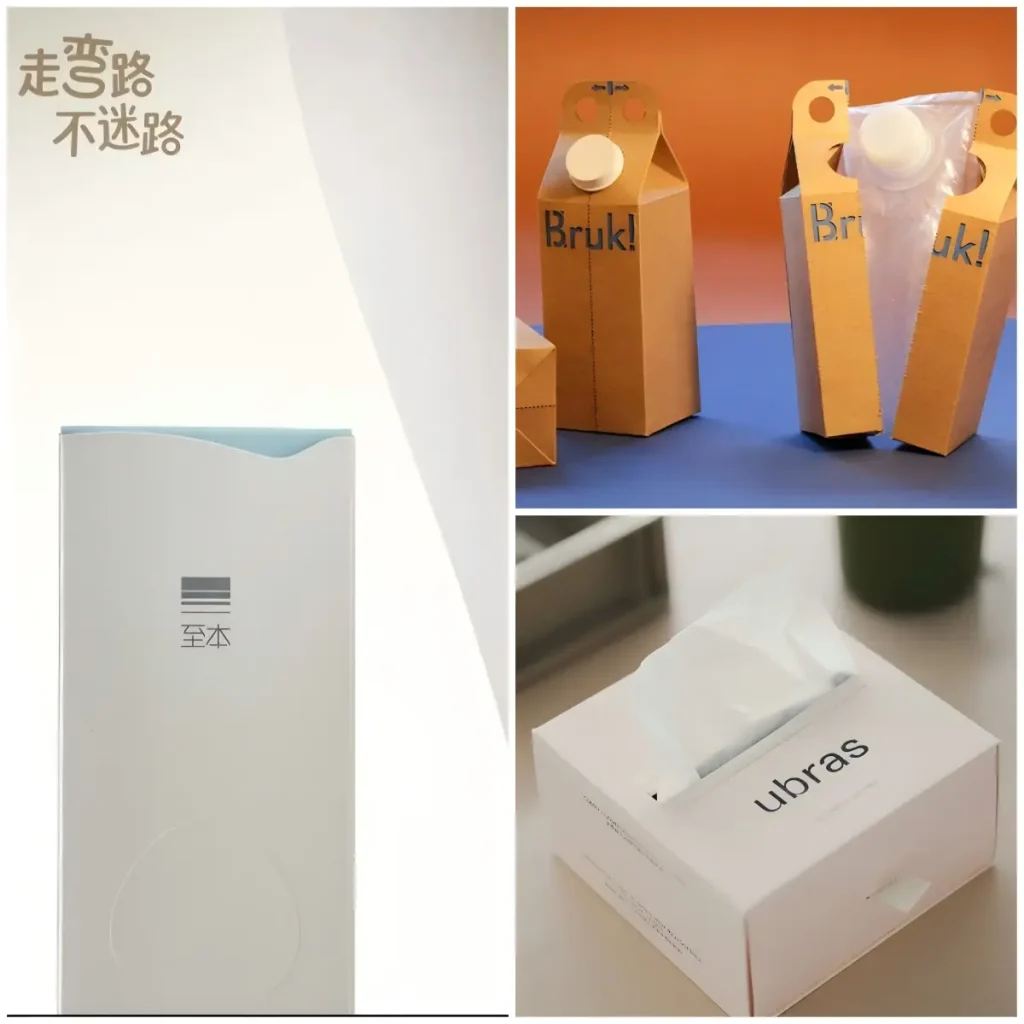
Although paper packaging has a lower recycling value than the materials mentioned above, its recycling system is the most mature, and it is currently the easiest type of packaging to recycle. Nevertheless, not all paper packaging is considered suitable for direct reuse.
Take the common delivery carton as an example. If the carton is not contaminated or water-damaged, it can theoretically be reused — after all, it serves a basic protective function during the transportation of goods. However, we do not recommend that consumers stockpile such cartons at home for secondary use. The reason is that paper cartons are primarily made of plant fibers, which generally do not contain harmful substances. However, during production, chemical additives or waterproof/moisture-proof coatings are often applied. More importantly, it is difficult to ensure the cleanliness of carton surfaces during transportation and delivery. If stored for long periods at home (especially in humid environments), cartons can easily accumulate dust, breed bacteria, or even develop mold due to moisture, potentially generating harmful microorganisms or volatile organic compounds.
For the outer packaging boxes of different products, their reusability depends not only on the material but also on their structural design. For pure paper packaging boxes without plastic lamination, secondary use is relatively feasible. However, for packaging that has a laminated coating and is difficult to clean (such as milk boxes or aluminum-plastic cosmetic tubes), it is generally recommended to send them directly to recycling collection points for professional processing rather than attempting secondary use at the household level.
Against the backdrop of increasing environmental awareness, more and more brands are willing to invest resources in designing circular or reusable, eco-friendly paper packaging. Examples include:
- Zhiben: modifies the structure of its product outer packaging to make it easy to disassemble without generating paper dust, facilitating complete material recycling.
- Ubras: After simple disassembly, consumers can transform the packaging into a reusable tissue box, extending its service life.
- Bruk: Uses technical design to completely separate milk boxes from their inner plastic lining, reducing the sorting burden during recycling and allowing both the paper carton and the plastic lining to enter efficient recycling channels.
2.5 Reuse of Ceramic Packaging

Ceramics are similar to glass in that they offer high plasticity, but they are also quite fragile. Therefore, in the packaging field, they are typically used only for high-end products. Common ceramic containers found on the market are often used to hold food, high-end cosmetics, and perfumes.
Although ceramics share some similarities with glass in terms of usage characteristics, it is important to point out that ceramics generally cannot be recycled and remolded after being discarded. From a manufacturing perspective, ceramics are made from natural clay and various natural minerals as the main raw materials, through processes such as crushing, mixing, shaping, and firing. In simple terms, ceramics are formed by firing clay at high temperatures. Once fired, the clay transforms into a hard, solid material and can hardly be reverted to its original clay state. Therefore, with current recycling systems in place, most broken ceramic products can only be downcycled or landfilled. In contrast, glass can be remelted and remade into glass products after recycling, achieving a true closed-loop cycle.
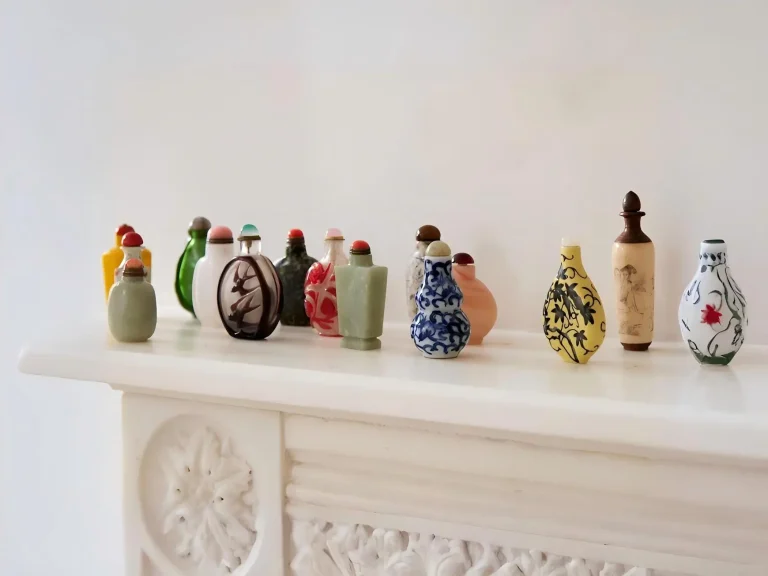
Although ceramics cannot be recycled and reborn, and are fragile in nature, their unique texture and plasticity give them an irreplaceable advantage in the high-end packaging sector. Beyond their use as containers, ceramic packages themselves are often collectible art pieces of ornamental value. Moreover, the excellent physical and chemical stability of ceramics makes them feasible for daily reuse (such as repeated washing and holding different contents). In fact, many ceramic jars and bottles are long-term kept by consumers for storing tea leaves, spices, skincare products, etc., making ceramics a classic example of high-quality “reusable” materials.
2.6 Reuse of Bamboo and Wood Packaging
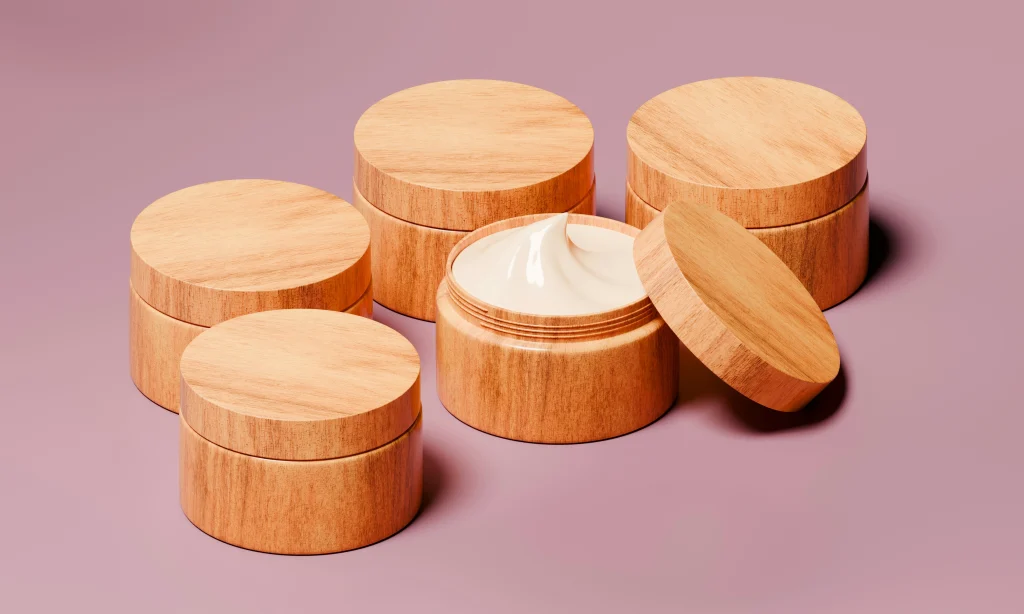
Bamboo and wood are both natural biomass materials. Although in the packaging field, the application of these two materials is far less common than that of plastics and glass, and their recycling systems are still not well-developed, they have significant advantages when it comes to reusability.
There are certain differences between bamboo and wood in packaging applications. Bamboo has a short growth cycle and excellent mechanical properties, and is often used to make tableware, cutting boards, storage boxes, etc. Wood, on the other hand, is more commonly used for high-end gift boxes, pallets, and heavy-duty transport packaging.
In the field of cosmetic packaging, there are already cases where bamboo or wood is used for outer packaging. However, such bamboo- or wood-based packaging is typically used only as exterior decoration and cannot come into direct contact with the cosmetic formula. When used for high-end packaging, bamboo and wood usually need to undergo drying, anti-corrosion, anti-mildew, and other treatments, but these treatments are relatively superficial. If the environmental humidity is high and the packaging is improperly stored, mildew may still occur. Therefore, in cosmetic packaging, when brands wish to highlight “natural ingredients” or a “natural texture,” they often prefer to use water transfer printing to create a wood-grain effect, which is safer and more cost-effective than using natural bamboo or wood materials.
As natural materials, the reusability of bamboo and wood is beyond doubt. However, whether used to hold food or as ordinary storage containers, attention must still be paid to the impact of environmental humidity on the packaging in order to extend its service life.
3. Reusable Packaging Solutions
From the above analysis of different packaging materials, it is not difficult to see that whether a package is suitable for secondary use or circular use has never been a question determined solely by material properties. It requires the simultaneous consideration of three dimensions:
The physical and chemical properties of the material: whether it can withstand repeated cleaning and usage wear,
The actual use scenario: contents, transport environment, hygiene requirements.
The feasibility of end-of-life recycling methods: whether a mature recycling system exists.
Together, these three factors define the design boundaries and judgment basis for reusable packaging.
We share these cases and industry insights not merely for the information listing. We hope, through these real-world practical experiences, to establish a dialogue with you based on professional consensus — enabling you to understand the knowledge and judgment we have accumulated in packaging materials, structural design, and recycling pathways, while also allowing us to listen to your product needs and sustainable development goals.
We believe that truly meaningful packaging is not just an industrial product with cost-effectiveness and aesthetics, but a work that balances commercial efficiency with environmental responsibility. What we look forward to is not just completing a packaging procurement, but exploring together with you how to implement packaging solutions on your product lines that are environmentally friendly, user-responsible, and commercially viable.
If you are considering upgrading your product packaging or wish to approach sustainable transformation through the lens of “reusability,” we would be delighted to serve as your technical partner and co-creator. Please feel free to reach out to us anytime — let’s turn “reusability” from a concept into reality.