Book Categories:

1. What is PCR
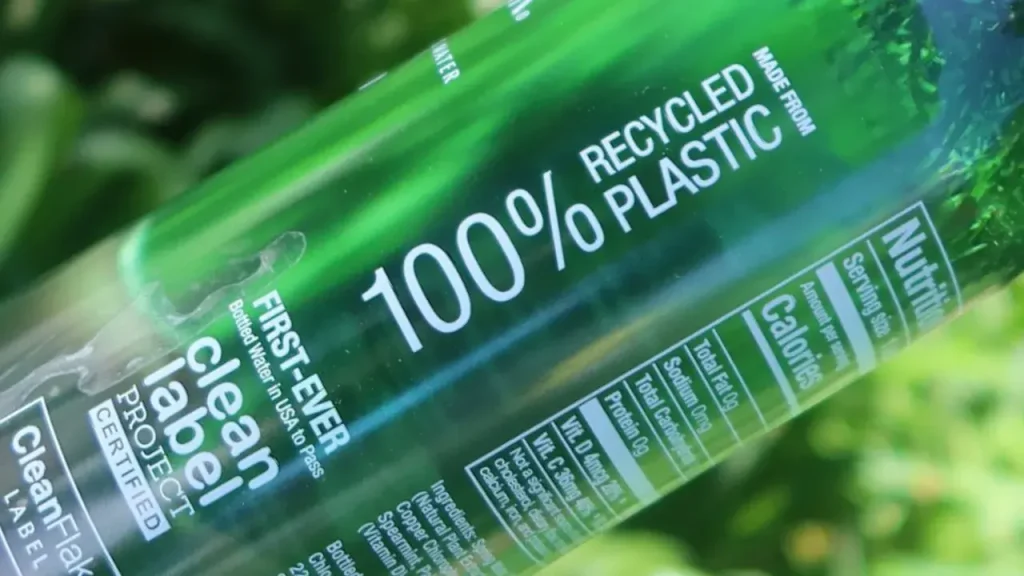
PCR, also known as Post-Consumer Recycled, refers to recycled plastic raw materials obtained by collecting and reprocessing consumer plastic waste. These discarded plastics mainly come from various plastic bottles and containers used by consumers.
In the plastic recycling process, suppliers typically need to handle multiple types of plastics, but not all recycled plastics can be recognized as qualified PCR (Post-Consumer Recycled) materials.
To ensure the quality and traceability of PCR plastics, the ISO 14021 standard establishes a clear quality and management certification system for PCR: material suppliers must set up a complete traceability system to ensure that recycled materials come from legal and compliant sources and meet specific environmental and performance requirements. This certification system helps consumers and buyers identify genuine PCR materials and promotes the healthy development of the PCR plastics market.
On this basis, material suppliers capable of providing qualified PCR materials can typically obtain additional recycling-related certifications such as GRS (Global Recycled Standard) or RCS (Recycled Content Standard), which serve as strong evidence of product compliance and traceability.
2. How PCR Plastic is Made
Virgin plastic refers to plastic pellets refined from petrochemical feedstocks. From crude oil extraction to the processing of plastic pellets, the entire production system and related equipment technologies are relatively mature. However, the production of virgin plastic typically consumes more energy than that of recycled plastic.
In contrast, the production of PCR plastic involves the collection and reprocessing of discarded plastics. The wide variety of discarded plastics, their different molding methods, and the significant differences in material properties make the production process of PCR plastic complex and challenging.
There are several methods for processing discarded plastics, among which the main approaches used to produce PCR plastic include mechanical recycling and chemical recycling. The following section will focus on the mechanical recycling method for PCR plastic.
2.1 Recycling of Discarded Plastics
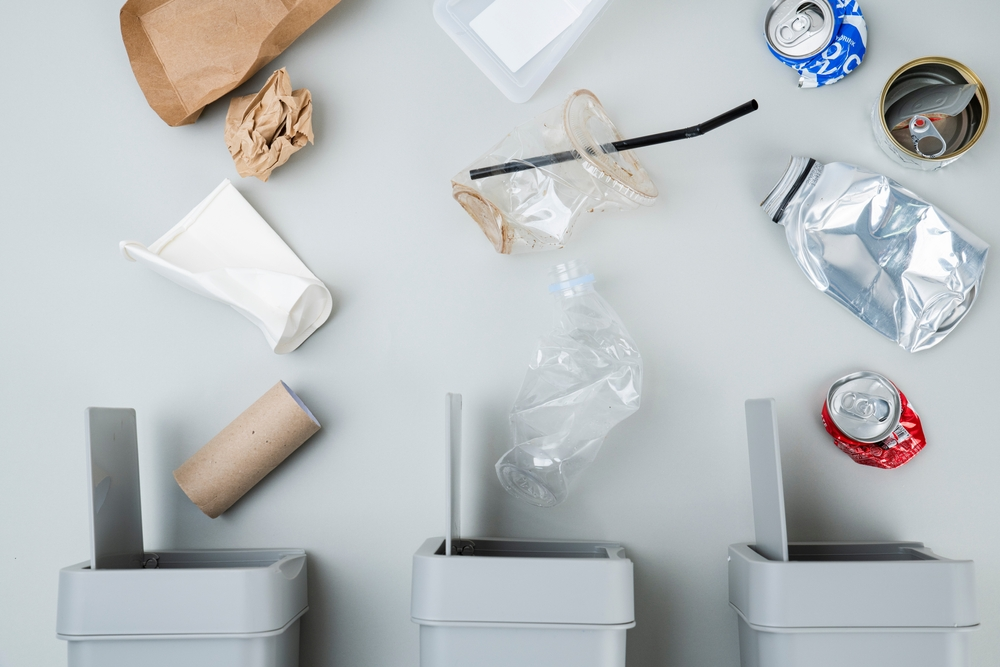
Unlike using pure, stable virgin resins, PCR raw materials originate from discarded plastic products in daily life — especially high-value plastics such as PET, PP, and HDPE bottles, caps, and components. These discarded plastics come from diverse and complex sources, resulting in recycled plastic containers with varying structures and inconsistent quality. Therefore, achieving efficient plastic recycling and reutilization is no easy task.
In the past, before being sent to recycling facilities, discarded plastics required multiple steps of manual sorting. This method was not only inefficient but also had limited accuracy, making it difficult to meet the demands of large-scale processing. Today, as people increasingly recognize the importance of environmental protection for the global climate, many countries and regions have made waste valorization a key area in promoting green and low-carbon development. Specifically in plastic packaging recycling, we are seeing more and more practical examples of packaging recycling: many countries and regions are actively developing smart collection points and implementing corresponding recycling policies to guide the public in properly sorting and recycling plastics.
2.2 Sorting of Recycled Plastics
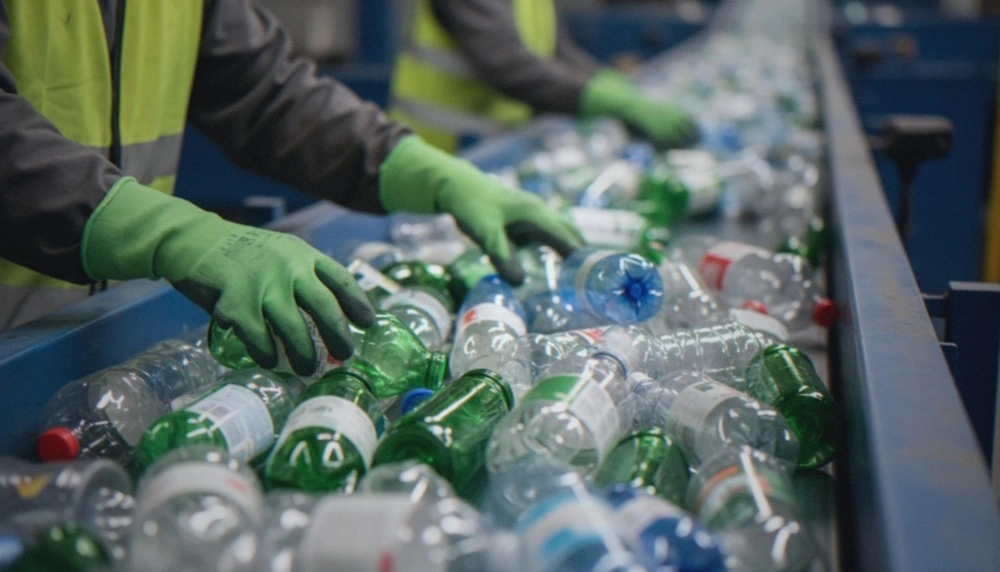
Sorting mixed plastic waste is a critical pre-treatment step in the plastic recycling and regeneration process. After sorting and evaluation, plastics that meet the required standards will be sent to the next stage of the PCR recycling system. The remaining plastic waste, however, must be reassessed for its final destination, which typically ends up being incineration or landfill.
These plastics that fail to enter the closed-loop recycling system are often those that are heavily contaminated, structurally too complex, or consist of difficult-to-separate composite packaging. Examples include cosmetic bottles with double walls of different materials, as well as cosmetic tubes made from multiple materials, such as paper-plastic or aluminum-plastic composites. The cost of separating and dismantling such packaging is generally high, making it difficult to achieve cost-effective, high-purity PCR production on a large scale.
2.3 Shredding and Washing
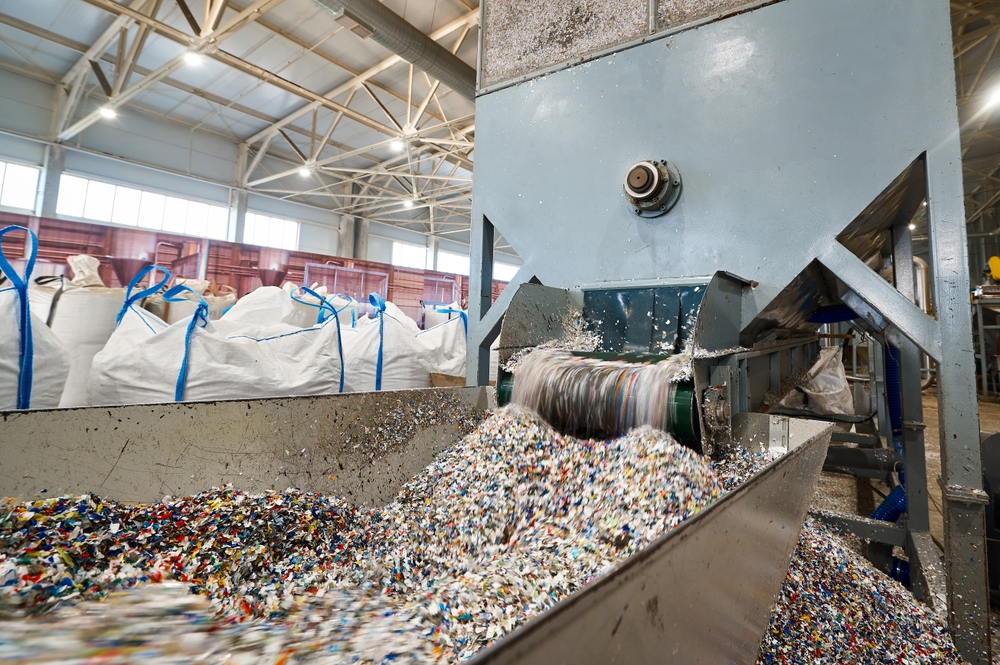
After sorting, the plastics are shredded to allow for more efficient cleaning and melting in subsequent steps. Washing discarded plastics is not a simple rinse with water; it involves a complete system that includes pre-washing, hot washing, rinsing, friction washing, and drying. This system is designed to decolorize and deeply clean the recycled plastics. This step directly determines the number of black spots, the level of odor, and the safety of the final PCR pellets for applications such as food or cosmetic packaging.
It is worth noting that the difficulty of cleaning plastics is often determined at the “packaging design stage.” Labels that are easy to separate, residues that are easy to remove, and a mono-material structure can all significantly improve the efficiency and effectiveness of the cleaning process. Conversely, if recyclability is not considered at the design stage, even the most advanced cleaning procedures will struggle to produce high-quality PCR packaging.
2.4 Pelletizing and Modifying
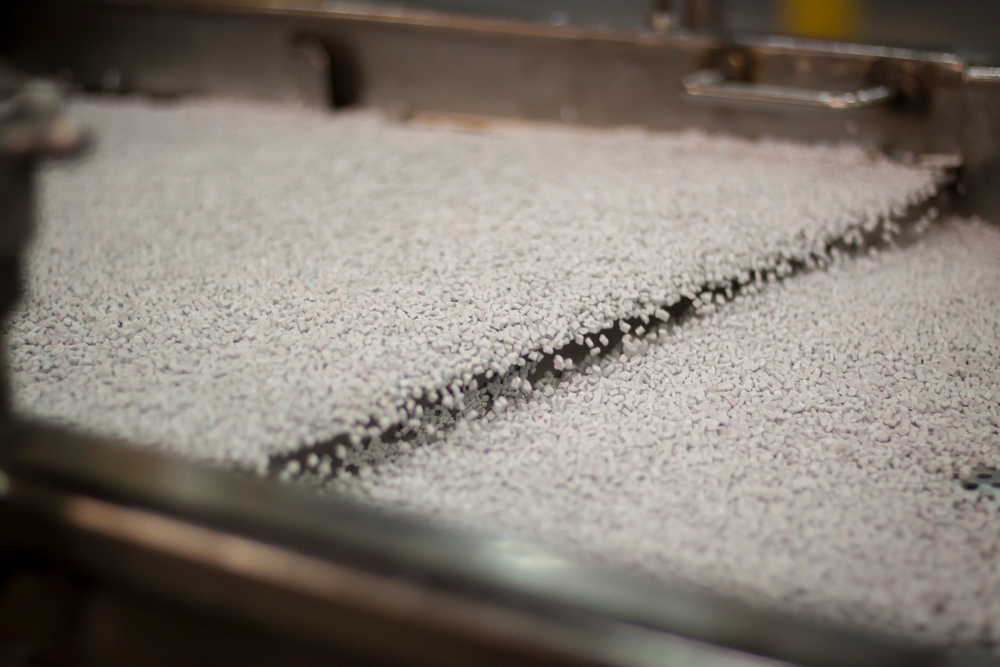
After cleaning, the recycled plastics enter the melting and pelletizing stage, where they are melted, extruded, and cut into granules at high temperatures, ultimately forming resin pellets. During this process, technical parameters such as melting temperature and filtration precision collectively determine the purity, viscosity, and color stability of the final pellets. For high-end applications such as cosmetic packaging, additional steps — such as melt filtration and liquid-phase polycondensation — are often required to remove trace impurities and enhance material performance.
After the initial pelletizing is complete, the fluidity, toughness, and heat resistance of PCR resin typically differ from those of virgin plastic. Therefore, before being put into formal use, the PCR must be tested and evaluated to determine whether additives such as antioxidants or toughening agents are needed for modification, so that it can meet the molding requirements of subsequent plastic components. The depth of modification and the formulation ratios directly determine the final destination of the post-consumer recycled resin — whether it will be used in industrial products or in high-quality cosmetic packaging.
2.5 Reformed and Reborn
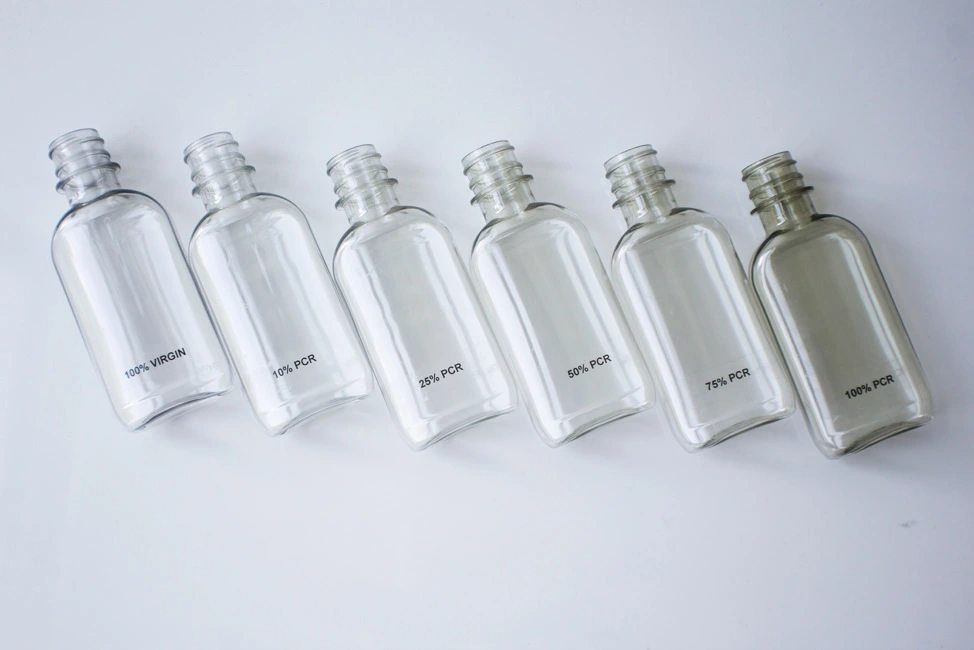
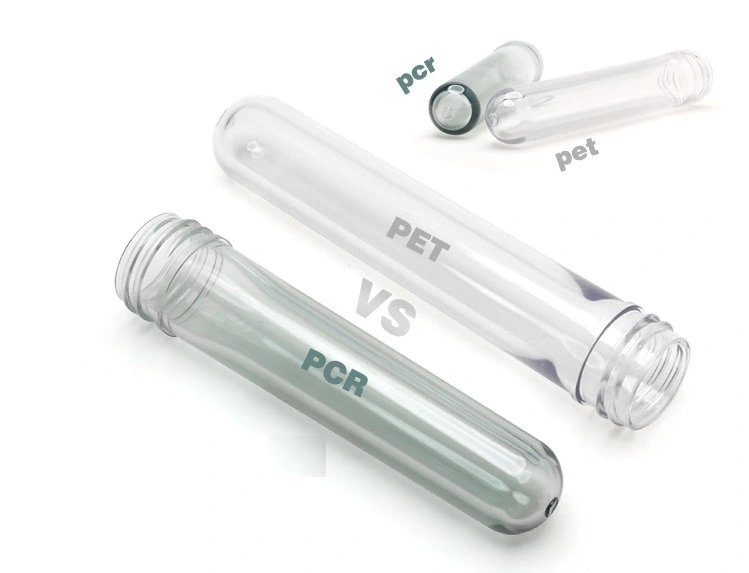
Compared with virgin plastics, PCR plastics after melt pelletization exhibit certain differences in appearance, texture, and color. Therefore, when selecting PCR materials, it is necessary to evaluate their specific impact on the packaging’s look and feel in advance, so as to anticipate potential issues that may arise in marketing communications and after-sales service.
Appearance: PCR plastics tend to have a yellowish, duller color, with lower transparency and gloss compared to virgin plastics. This is primarily due to the cleaning and pretreatment processes during recycling. In addition, the surface of containers made from PCR may occasionally show small black specks or impurities, resulting from trace amounts of foreign matter that are difficult to completely eliminate during recycling and reprocessing. These imperfections are generally limited to appearance and do not affect the functional performance of the packaging.
Texture: The surface texture of PCR plastics is not as smooth as that of virgin plastics and may feel slightly rough. At the same time, although PCR materials can meet everyday packaging requirements in terms of overall performance, their strength and rigidity are typically slightly lower than those of virgin plastics.
Usage Suggestion: It is recommended that packaging made from PCR materials clearly indicate the presence of “PCR” or “Recycled Material,” along with the percentage of recycled content (e.g., “25% PCR” or “50% PCR”). This practice not only communicates the product’s environmental attributes to consumers but also facilitates more accurate identification and sorting of the packaging in future recycling and sorting processes.
3. What Materials Can be Used to Make PCR Packaging
There are many types of plastics, but not all of them can support high-value PCR production.
To turn discarded plastics into PCR, it is first necessary to ensure that the plastics being recycled are thermoplastics rather than thermosets. Once thermosets have been molded, they cannot be easily remelted and reshaped. Typical examples include PF, EP, and UP.
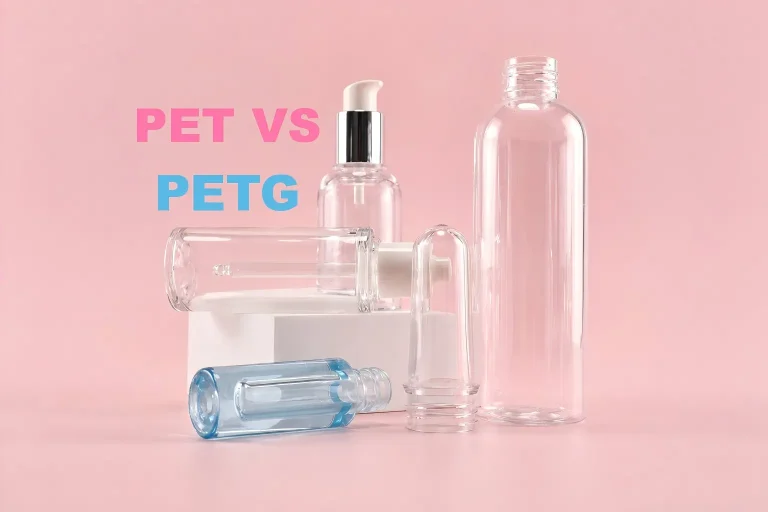
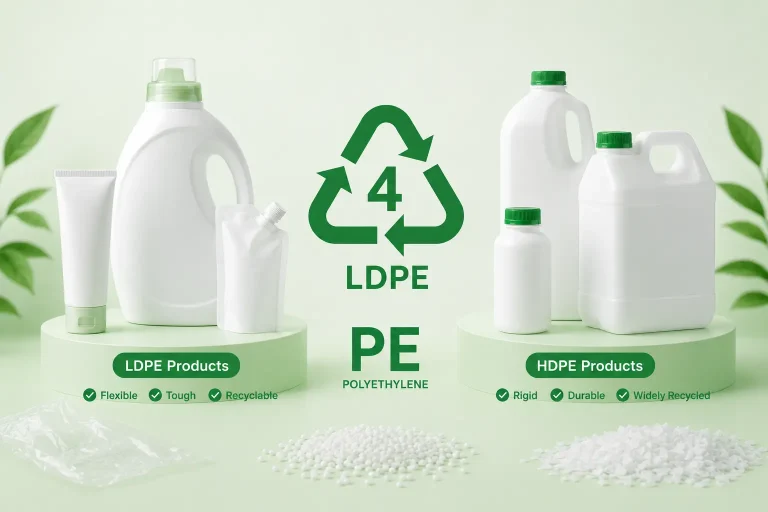
It is worth noting that only high-value plastics with relatively simple compositions and ease of sorting and cleaning are suitable for entering the PCR recycling system. For example, PET, HDPE, and PP are currently the mainstream plastics used in PCR production for packaging applications. In contrast, low-value plastics with complex compositions, too large to be processed efficiently, or a tendency to become contaminated — such as LDPE, PS, and composite plastics — have higher sorting and cleaning costs and are more difficult to recycle. The recycled materials obtained from them are typically used in low-value-added products such as flower pots and trash bins.
4. Is the PCR Bottle Recyclable
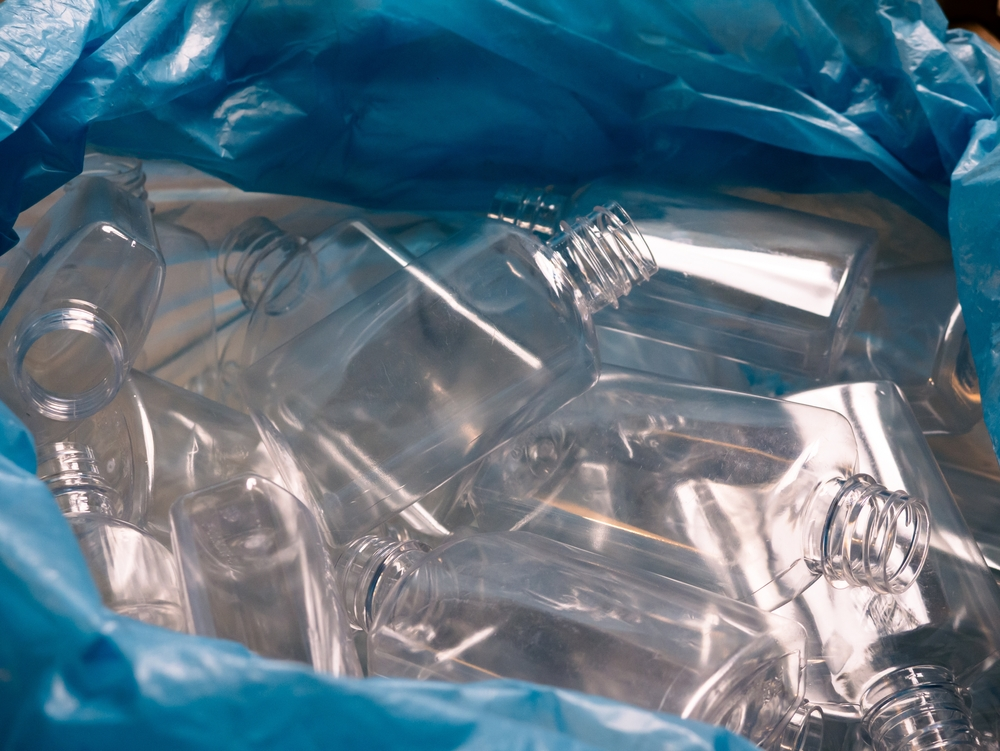
PCR raw materials come from recyclable discarded plastics. Although PCR materials themselves may contain a mixture of different types of plastics, they can still be reused after recycling. This means that containers such as bottles and jars made from PCR can also enter the next recycling cycle after use.
However, PCR recycling is not infinitely repeatable — each recycling cycle leads to a certain degree of degradation in both performance and appearance. Currently, PCR plastics can be safely recycled approximately 7 to 9 times.
5. Is PCR Packaging Biodegradable
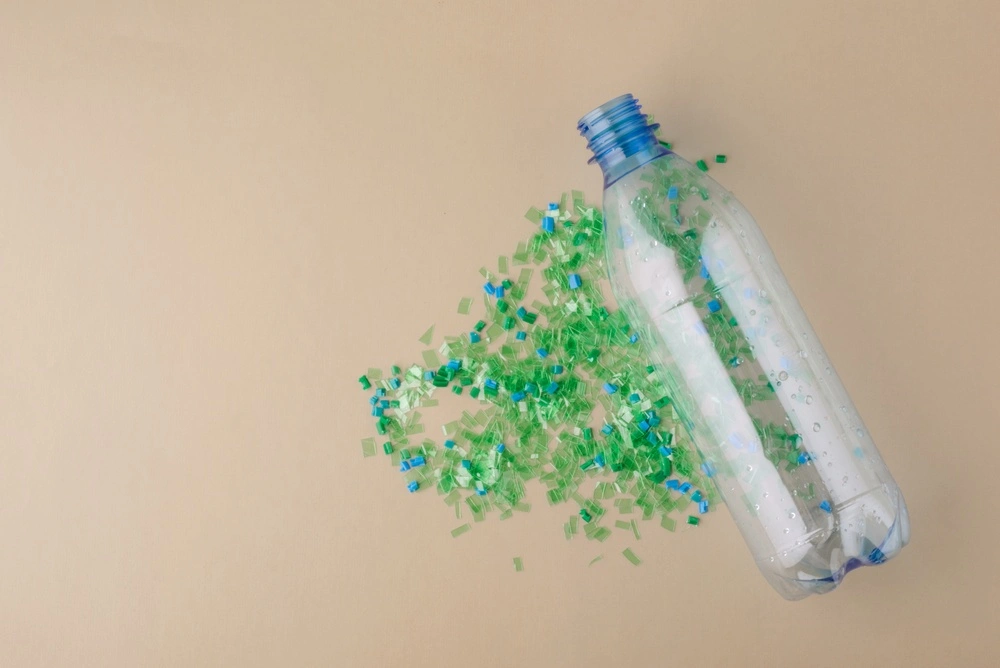
No, because PCR packagings are still fundamentally made of traditional plastics such as PET and HDPE, with stable molecular structures that cannot be broken down in nature.
The purpose of producing PCR plastics is to reduce the extraction of virgin petroleum and to give waste materials a “second life,” preventing them from being casually discarded or sent to landfills. This is also the significance of PCR packaging—allowing plastics to continue playing a valuable role in the realm of environmentally friendly packaging.
6. The Final Destination of PCR Packaging
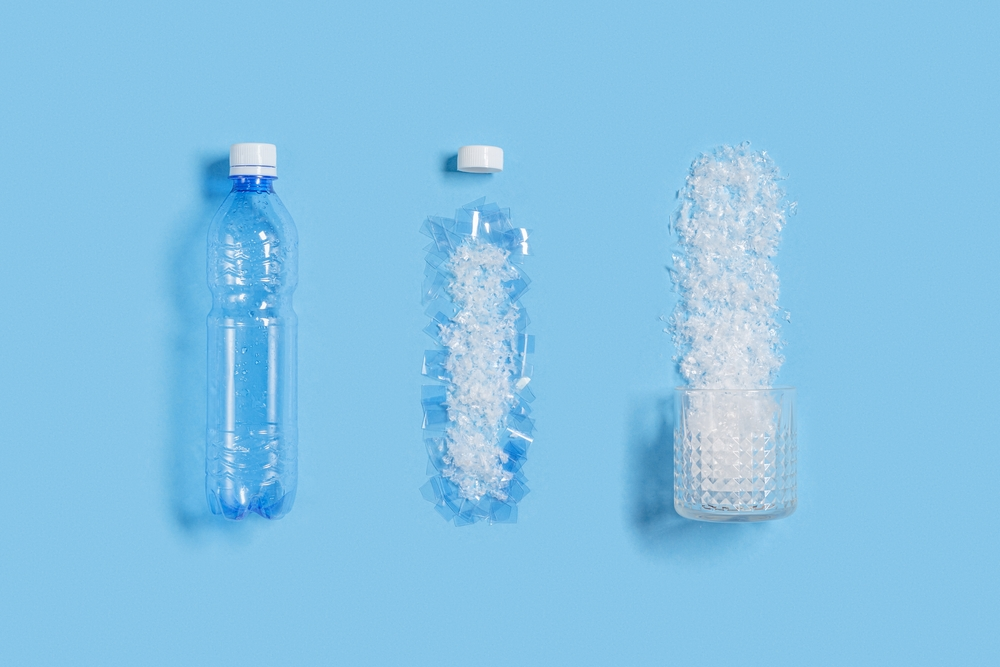
The recycling of PCR packaging is not technically infeasible, but compared to the recycling of ordinary plastics, it places higher demands on the recycling system, sorting technology, and bottle design.
Typically, most PCR packaging undergoes downcycling when recycled—that is, it is turned into non-packaging products such as industrial pallets, trash bins, etc. These products are usually not recycled again (or have very low recycling value), thus exiting the packaging loop.
If PCR packaging is deemed non-recyclable, it is most likely sent to waste-to-energy incineration plants for energy recovery, where its high calorific value is utilized for power generation and heating.
7. The Benefits of Choosing PCR Packaging

Using PCR materials for product packaging not only helps brands build a strong environmental image but also has a positive and far-reaching impact on both the environment and the commercial market.
From an ecological perspective, although the production process for PCR plastics is more complex and challenging than that for virgin plastics, the overall energy consumption is lower. This is because PCR production reduces reliance on energy-intensive steps such as crude oil extraction, crude oil transportation, and polymerization, thereby lowering the carbon footprint at the source.
Secondly, the application of PCR plastics gives discarded plastics new economic value, which in turn effectively drives the improvement of recycling systems and the iterative upgrade of recycling technologies. This not only reduces the proportion of plastics that are improperly discarded or sent to landfills, but also extends the service life of plastics within the circular system, delaying their eventual release into the environment or incineration.
Finally, as consumers become increasingly concerned about sustainable packaging, incorporating PCR materials into packaging has become a key differentiator for brands. Among similar products, even packaging labeled with only 10% or 30% PCR content can help a brand stand out on the shelf and win greater consumer preference. Especially among younger consumer groups, PCR packaging has become the most intuitive carrier for identifying a brand’s environmental values.
8. PCR Packaging Solutions
The practice of eco-friendly packaging is not an easy path, whether for raw material suppliers, packaging manufacturers, or brands at the end of the supply chain. However, we firmly believe that when people who share a common commitment to environmental protection come together, no matter how many challenges a project faces, there is always a way to minimize the impact of those difficulties.
As a packaging manufacturer with over a decade of experience, we deeply understand the core pain points brands face when it comes to sustainable packaging. Therefore, in the production of plastic packaging, we always partner with reputable raw material suppliers. Even with PCR materials, we are able to provide customers with authoritative certifications such as GRS and TC, ensuring that the raw material sources for each batch of PCR packaging are clear and traceable, thereby safeguarding the safety and stability of eco-friendly packaging from the very source.
To address the common appearance issues associated with eco-friendly packaging, we can effectively reduce imperfections such as black specks by incorporating functional additives or finely adjusting color masterbatches, striving to ensure that PCR packaging stands up to scrutiny in terms of visual presentation as well.
Please feel free to reach out to us anytime to share your eco-friendly packaging ideas. We will leverage our production experience and knowledge of materials to help bring your ideas to life more effectively.