Book Categories:

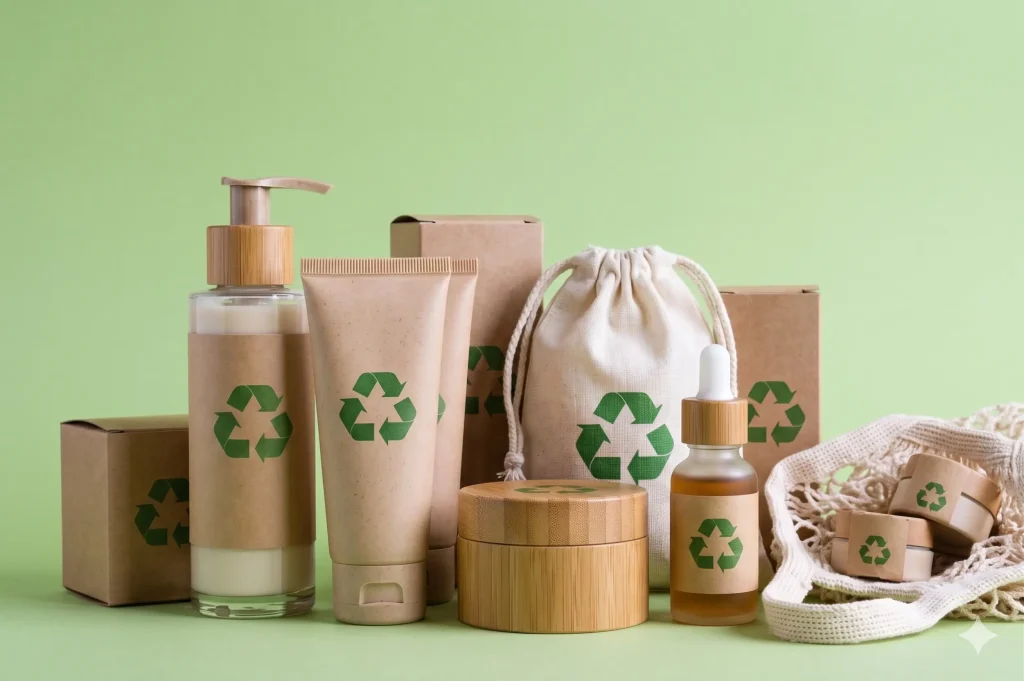
Recyclable packaging is a topic worth deep exploration, because it concerns not only consumer trends or brand image, but also the conscience of the industry. In an era where human civilization is striving for harmonious coexistence with nature, promoting recyclable packaging and building a sustainable circular model is an evolution that we, as industry professionals of this generation, must accomplish.
Today, through this article, we would like to share with you what factors need to be considered to make recyclable packaging truly viable, in the hope of providing valuable inspiration for your future green packaging procurement plans.
1. What Does ‘Recyclable Packaging’ Really Mean?
Before practicing green packaging procurement and making your packaging recyclable, it is particularly important to understand what “recyclable packaging” actually means.
“Recyclable packaging” refers to packaging materials that can be converted back into raw materials through recycling processes. The European Union takes a more rigorous approach to defining recyclable packaging. In August 2026, the EU’s Packaging and Packaging Waste Regulation (PPWR) will officially come into full effect. This regulation clarifies the core definitions of green packaging, clearly establishing key terms such as “recyclability,” “compatibility,” and “Design for Recycling (DfR),” emphasizing that packaging and its components must be highly compatible with existing collection, sorting, and recycling processes within the EU.
In summary, recyclable packaging means that after an item has fulfilled its initial purpose, it can enter the recycling system and be reprocessed into valuable raw materials.
For example, PET bottles are a common type of recyclable packaging. PET recycled materials of different purity levels can be re-applied in areas such as cosmetic packaging, clothing, home goods, and more. Recycled PET is called rPET. When developing a sustainable PET packaging solution, the most common approach is to incorporate PCR materials, and rPET is one type of PCR.
It is worth noting that when adding PCR to packaging made of a specific material, the PCR used should be of the same material type to ensure compatibility — otherwise, the final molding and performance of the packaging may be affected. For example, PP packaging should incorporate rPP, not rPET.
2. What Are The Recyclable Packaging Materials?
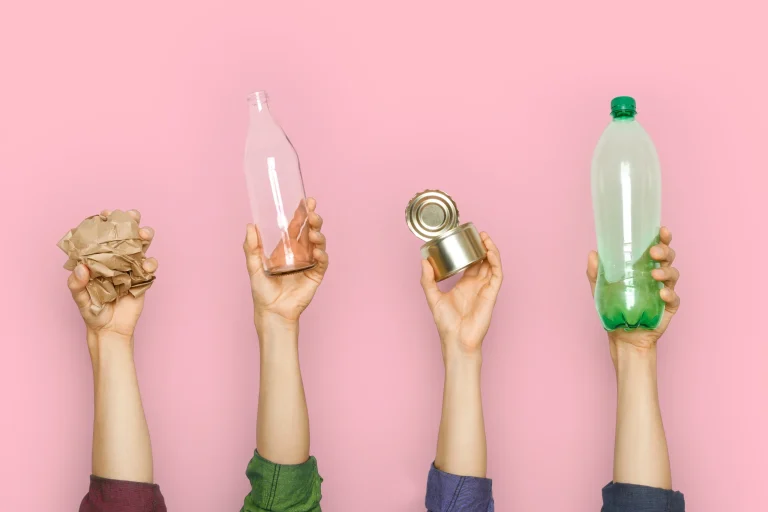
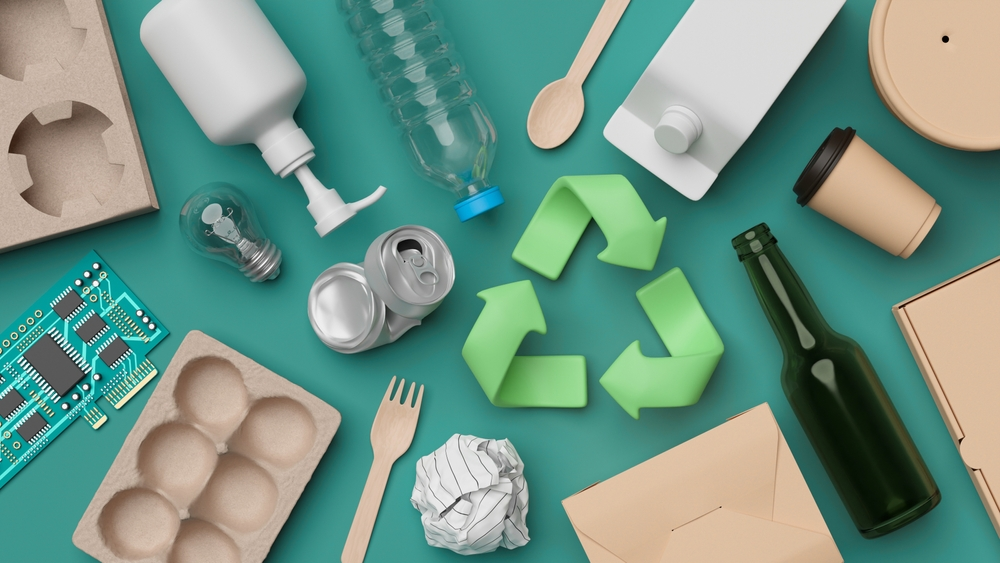
Nowadays, information about recyclable materials is everywhere, and we believe most people have at least some understanding of it. When it comes to recyclable packaging, you can probably list quite a few—glass containers, aluminum cans, PET bottles, paper boxes, and so on.
However, today we want to explore a deeper question: how are these materials classified? And what are the prerequisites for them to be truly recyclable?
By clarifying these questions, we can move forward on the path to creating recyclable packaging design with greater confidence and clarity.
2.1 Recyclable Plastic Packaging
Plastic is the dominant material in the field of food, cleaning products, and cosmetic packaging. However, it is true that not all plastic materials are 100% recyclable. Let’s take cosmetic plastic packaging — which offers the greatest variety of surface finishing options — as an example to analyze the recyclability of these common types of cosmetic plastic packaging.
| Plastics | Full Name | Type | Application | Recyclability |
| ABS | Acrylonitrile Butadiene Styrene | Engineering / Commodity Plastics | Caps, Shoulder sleeves, Baes | Rarely Recycled |
| AS | Acrylonitrile-Styrene Copolymer | Commodity Plastics | Caps, Containers | Rarely Recycled |
| PET | Polyethylene Terephthalate | Engineering / Commodity Plastics | Caps, Containers | 100% Recyclable |
| PETG | Polyethylene Terephthalate Glycol | Engineering Plastics | High End Containers | Limited Recycling |
| HDPE | High-Density Polyethylene | Commodity Plastics | Containers | 100% Recyclable |
| LDPE | Low-Density Polyethylene | Commodity Plastics | Cosmetic Tubes | Limited Recycling |
| PP | Polypropylene | Commodity Plastics | Caps, Containers, Pumps | 100% Recyclable |
| PMMA/Acrylic | Polymethyl Methacrylate | Engineering Plastics | High End Containers | Rarely Recycled |
| MS | Methyl Methacrylate-Styrene Copolymer | Commodity Plastics | Caps, High End Containers | Rarely Recycled |
| PS | Polystyrene | Commodity Plastics | Caps, Containers | Limited Recycling |
You may have noticed that the recyclable plastic packaging classification above does not use the common plastic recycling numbers 1–7. Instead, it categorizes plastics into commodity plastics and engineering plastics. This relates to the recycling value we will discuss later. To make recyclable packaging truly practical, we need to take a realistic look at the economic feasibility behind recycling.
For the recycling numbers, its official name is the “Resin Identification Code,” which was established by the Plastics Industry Association in 1988. The original intention was to help the public identify plastic materials and facilitate recycling. It does not fully represent the recyclability of plastic packaging, nor does having this code mean that the plastic can be 100% recycled.
2.1.1 Thermoplastic Plastic
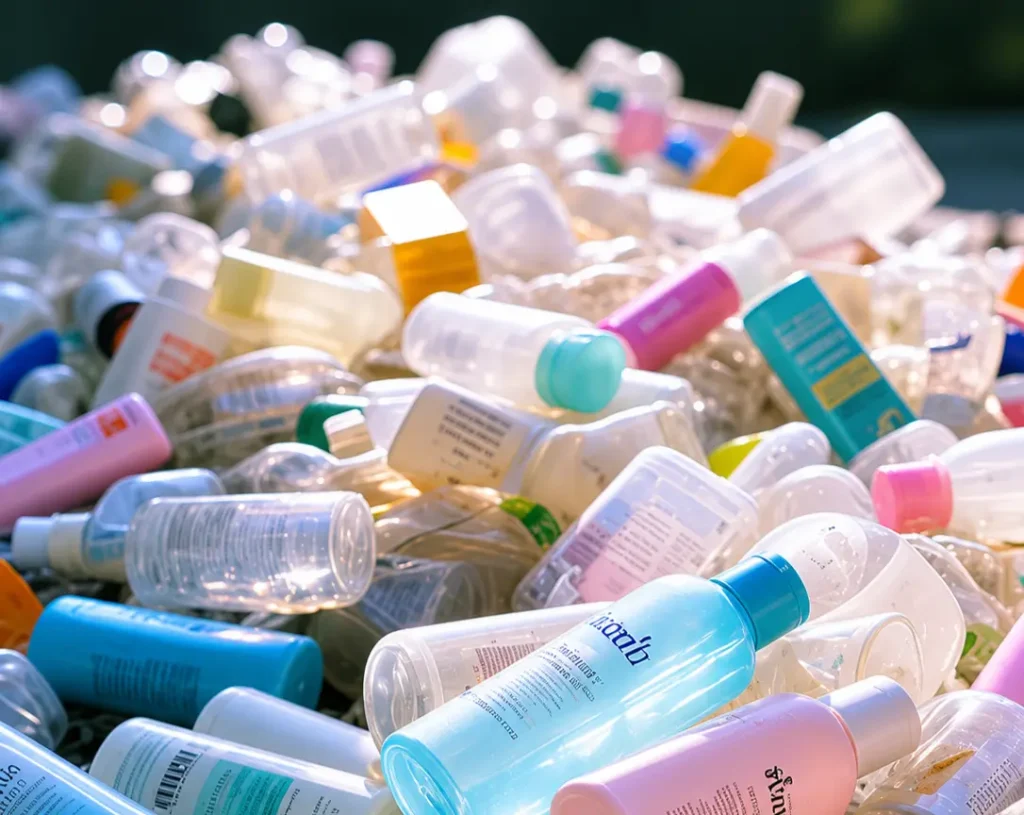
Whether a plastic bottle can actually “be recycled” depends on three fundamental factors: First, it must be a thermoplastic—this is a technical prerequisite for recycling.
Thermoplastics can be reshaped after heating, making them highly recyclable. All of the plastics mentioned above that are used in cosmetic packaging belong to the thermoplastic category.
The other type of plastic is thermosetting plastics, which harden upon heating and cannot be easily reshaped, making them much more difficult to recycle. Examples include phenolic resins, epoxy resins, and amino resins. These plastics are typically used in applications that demand high heat resistance, electrical insulation, structural strength, and dimensional stability — such as in the automotive and transportation industries, construction and home appliances, and aerospace.
2.1.2 Mono Plastic
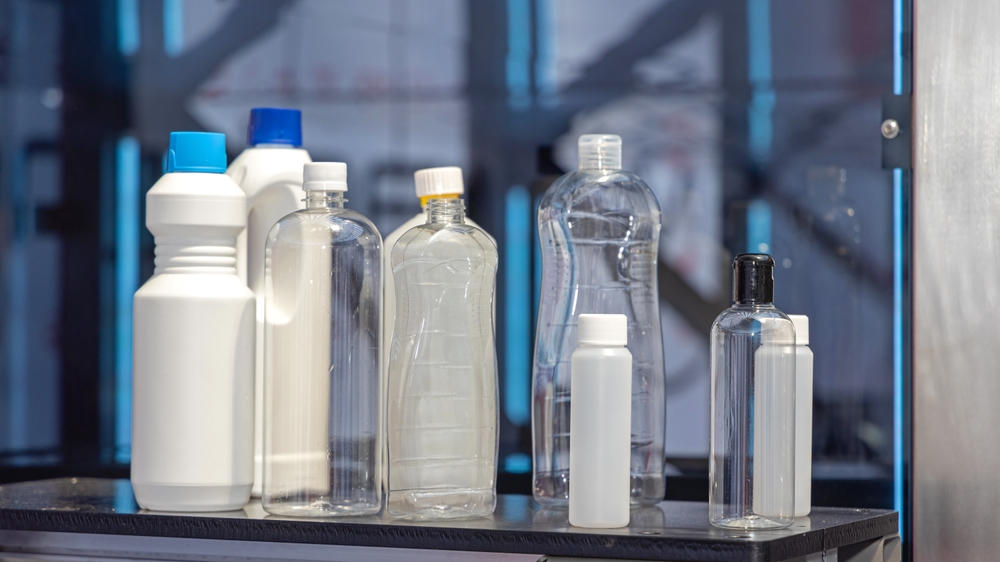
Another important prerequisite for recyclable plastic packaging is the use of a single, uniform material. Take cosmetic packaging and food packaging as examples — these products often pursue personalized and customized appearances, so they tend to feature diverse structural and surface designs, such as double-wall lotion bottles, nut jars covered with various labels, and plastic bottles with a metallic finish.
Strictly speaking, packaging that has labels, printing, or electroplating can still be recycled, but compared to packaging with a cleaner, simpler design, the recycling difficulty and cost are higher. The most difficult to recycle are those with multi-layer material structures that cannot be easily separated. In batch recycling, such packaging is typically downcycled rather than being turned into reusable raw materials.
2.1.3 Recycling Value
From an environmental perspective, most cosmetic plastic packaging is recyclable. However, the maturity of recycling processes varies significantly across different types of plastic packaging, which directly leads to differences in recycling costs. From a more practical economic standpoint, plastic recycling cannot be evaluated solely on environmental benefits — the post-recycling economic value must also be assessed. If the material recovered from packaging suffers from severe performance degradation, its recycling value will be limited — placing it in the category of “economically not worth recycling.”
Take AS plastic as an example: there is generally no dedicated recycling channel for it, because its performance deteriorates significantly after recycling, allowing only downcycling, and it cannot be reused as raw material for cosmetic packaging. In contrast, PET has a mature recycling system, and its recycled material has relatively high value, which is why rPET has become one of the more widely available PCR materials on the market.
Additionally, as mentioned earlier, plastics can be divided into engineering plastics and commodity plastics. The main difference between these two categories lies in their performance characteristics. Engineering plastics generally have higher mechanical strength, heat resistance, and corrosion resistance. Therefore, the recycling value of engineering plastics is typically higher than that of commodity plastics.
2.2 Glass Packaging

Due to the wide variety of plastics, their complex molecular structures, and the significant technical barriers to recycling, many brands prioritize glass or metal when pursuing eco-friendly packaging.
Glass is widely considered an environmentally friendly packaging material because it is one of the very few materials that can be 100% infinitely recycled with almost no degradation in performance. In contrast, when plastic is recycled, its quality and performance inevitably degrade to some extent — for example, the overall gloss of rPET is lower than that of virgin PET. Additionally, the recycling process for glass is simpler than that for plastic, which is why glass is generally regarded as more environmentally friendly than plastic.
2.3 Metal Packaging

The two most commonly used metals in packaging are zinc alloy and aluminum. Zinc alloy is often used for high-end perfume bottle caps, aluminum tube metal caps, and special structural housings for perfume bottles. Aluminum, however, has even wider applications — common aluminum packaging on the market includes bottles, cans, and aluminum tubes.
Among all the packaging materials mentioned above, metal has the highest recycling efficiency. Unlike plastic and glass, metal packaging can be efficiently sorted using methods such as magnetic separation, offering a highly automated and relatively simple recycling process.
Additionally, aluminum recycling consumes only 5% of the energy required to produce primary aluminum and can be recycled infinitely without any loss of quality. An aluminum can — from collection to remelting to remanufacturing into a new can — can complete a closed-loop cycle in as little as 60 days.
Although aluminum packaging is relatively more expensive, it is undoubtedly the most worry-free choice in terms of recyclability.
2.4 Paper Packaging
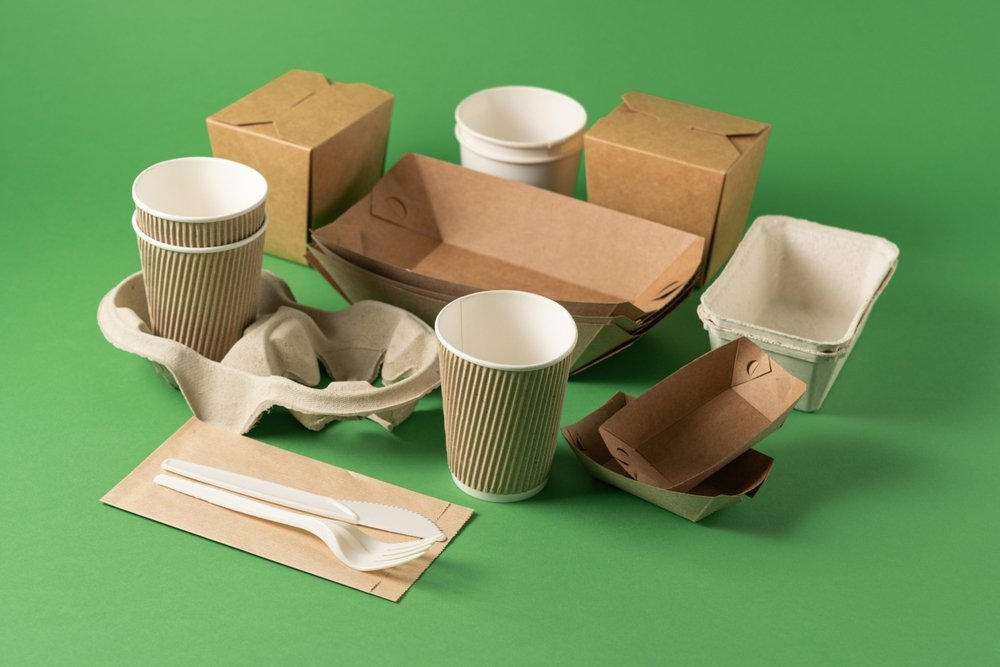
Paper is the most widely available renewable material in the world, making paper packaging a recyclable and environmentally friendly choice. Its advantages lie not only in its ease of recycling but also in the biodegradability of pure paper packaging. Most paper products are made from plant fibers, which can be completely broken down by microorganisms within a few months in natural or composting conditions, without generating persistent pollutants. Even if disposed of improperly, their impact on the ecosystem is far lower than that of plastic. This is the primary reason paper packaging is considered environmentally friendly.
Currently, paper packaging is widely used not only in the food industry but also increasingly in the cosmetics sector. However, much of this paper-based container fails to fully realize its “eco-friendly” and “recyclable” value. In food and cosmetic applications, paper packaging must address the issue of product permeation. A straightforward solution is to laminate paper with plastic to create paper-plastic composite packaging. This type of packaging cannot be recycled like PET into rPET. In other words, because it is not pure paper, it cannot enter the paper recycling stream and must be used in other non-paper applications, such as energy recovery through incineration for power generation.
Another important consideration is the barrier to recyclability. Once pure paper packaging is contaminated by oil or cosmetic formula residue, it can no longer be classified as “recyclable” for paper production. It must be treated as “other waste,” eventually being downcycled into other composite products. In comparison, although paper-plastic composite packaging is more difficult to recycle, its recycling chain, supporting facilities, and public sorting habits are relatively well established, making its overall implementation far less challenging than recycling niche plastic categories.
3. How Recyclable Packaging Works
Understanding the recycling methods and processing procedures for various packaging materials currently available on the market, as well as identifying the main difficulties and bottlenecks in packaging recycling at this stage, helps to more clearly identify the direction of eco-friendly and recyclable packaging design. It also lays the foundation for subsequently formulating market plans related to product packaging recycling.
3.1 Plastic Packaging Recycling
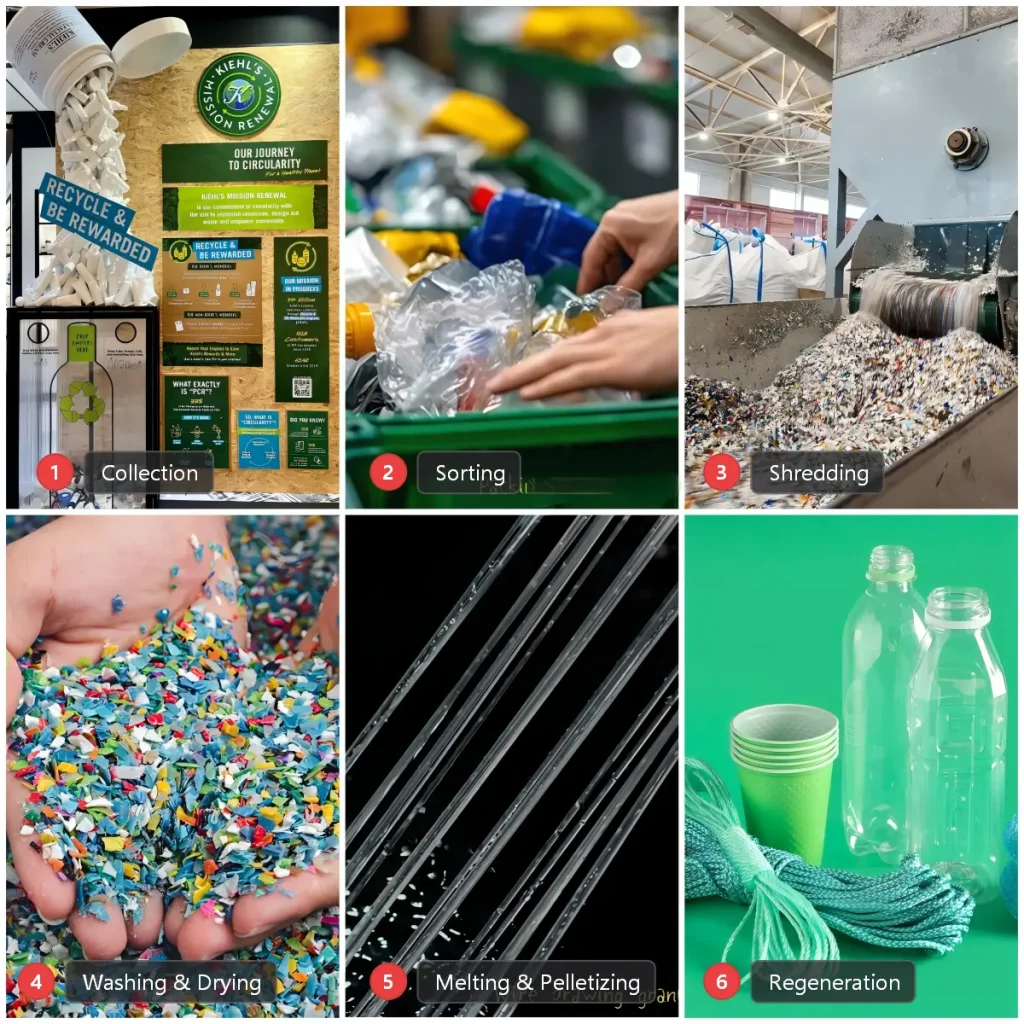
The above process is the mechanical recycling process for plastic packaging, which is currently the most mainstream method of plastic recycling. However, this method is generally only suitable for simple plastic bottles. For plastic bottles with multi-layer structures or composite materials, chemical recycling is required, using technologies such as pyrolysis to break the plastic down into monomers or chemical feedstocks.
Although the above process may seem ordinary, there are details worth sharing in practice. Take the first step, collection, for example — the recyclability of plastic packaging is often determined the moment it is discarded.
Clean, transparent bottles without excessive decoration are generally easier to recycle than those with complex printing or labeling. They can go directly into closed-loop mechanical recycling and be turned into high-value rPET. In contrast, plastic bottles contaminated due to improper disposal typically require more complex recycling processes or must be downcycled.
Downcycling refers to the process of recycling plastic bottles that cannot be turned back into products of the same value. For example, plastic bottles that are contaminated or difficult to process in a closed-loop recycling system may end up as low-value plastic bags or ropes.
As environmental awareness and plastic recycling become more widespread in society, many brands are taking action, encouraging their consumers to participate in plastic bottle recycling, raising environmental awareness, and fostering eco-friendly consumer behaviors. Today, many well-known retailers and beauty brands — such as Watsons, Boots, and Kiehl’s — have started setting up in-store return points (Zwrot opakowań), teaching consumers how to clean their plastic bottles properly and participate in recycling programs in exchange for points or gifts.
According to Kiehl’s official communications, over 14 million empty Kiehl’s bottles have been collected globally through their “Recycle and Be Rewarded” program. Compared to bottles that are simply discarded, these bottles are better positioned to enter the plastic packaging recycling system, reducing the burden on sorting and cleaning processes while improving overall recycling efficiency.
3.2 Glass Packaging Recycling
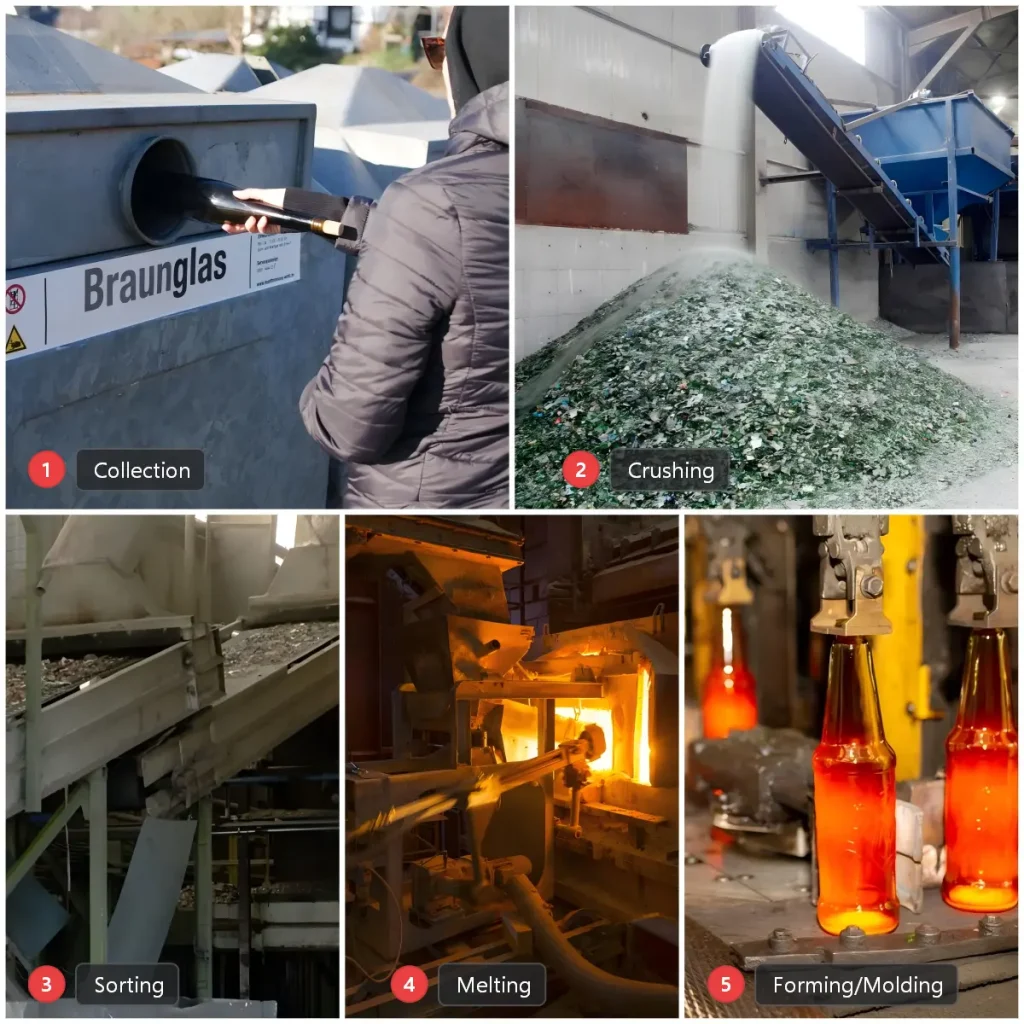
The above is the process of glass recycling. From a procedural standpoint, glass recycling is generally similar to plastic recycling, but the requirements for glass recycling are far more stringent — especially in the sorting stage.
Colored glass and clear glass must be strictly separated. This is because, if even a piece of colored glass the size of a fingernail is mixed into a full furnace batch intended for highly transparent colorless glass bottles, the entire batch will be tinted and can no longer be made into clear, transparent finished products. It can only be downcycled into colored glass products, resulting in a dual waste of high-quality production capacity and recycling energy.
Under normal circumstances, clean crushed glass (cullet) can be mixed with raw materials in a certain ratio and fed into a high-temperature furnace at approximately 1500°C to be melted into liquid glass, which is then remade into glass bottles. It is worth noting that using recycled glass cullet saves about 30% of the energy compared to using all virgin ore, while also significantly reducing carbon emissions.
It should be noted that the glass used in construction cannot be made from mixed recycled glass. Glass board used in construction requires extremely high raw material purity. If recycled glass is not sorted by color, or if labels and metal caps are not thoroughly removed during cleaning, the resulting melted glass product is prone to bubbles, defects, and residual stress. Therefore, high-end float glass only allows the addition of clean, color-sorted, contaminant-free dedicated cullet. Mixed-color or low-quality cullet is strictly prohibited.
For cullet that is heavily contaminated or cannot undergo closed-loop recycling (i.e., cannot be remade into new bottles or other high-purity glass products), it can still be valorized through other pathways. For example, it can be ground into glass sand as a substitute for river sand in concrete or permeable brick production, resulting in materials with higher hardness and abrasion resistance. It can also be mixed into asphalt for paving, providing anti-slip properties, high-temperature resistance, and reducing the likelihood of road icing in winter. Additionally, it can be used to produce glass wool for thermal and acoustic insulation, which offers excellent fire resistance and thermal insulation performance.
Although glass cannot be degraded by microorganisms and takes millions of years to weather in the natural environment — remaining almost unchanged once buried in soil — it is also one of the very few materials that can be 100% infinitely recycled with almost no performance degradation. This is also a key reason why many people prefer glass when choosing environmentally friendly packaging.
3.3 Metal Packaging Recycling
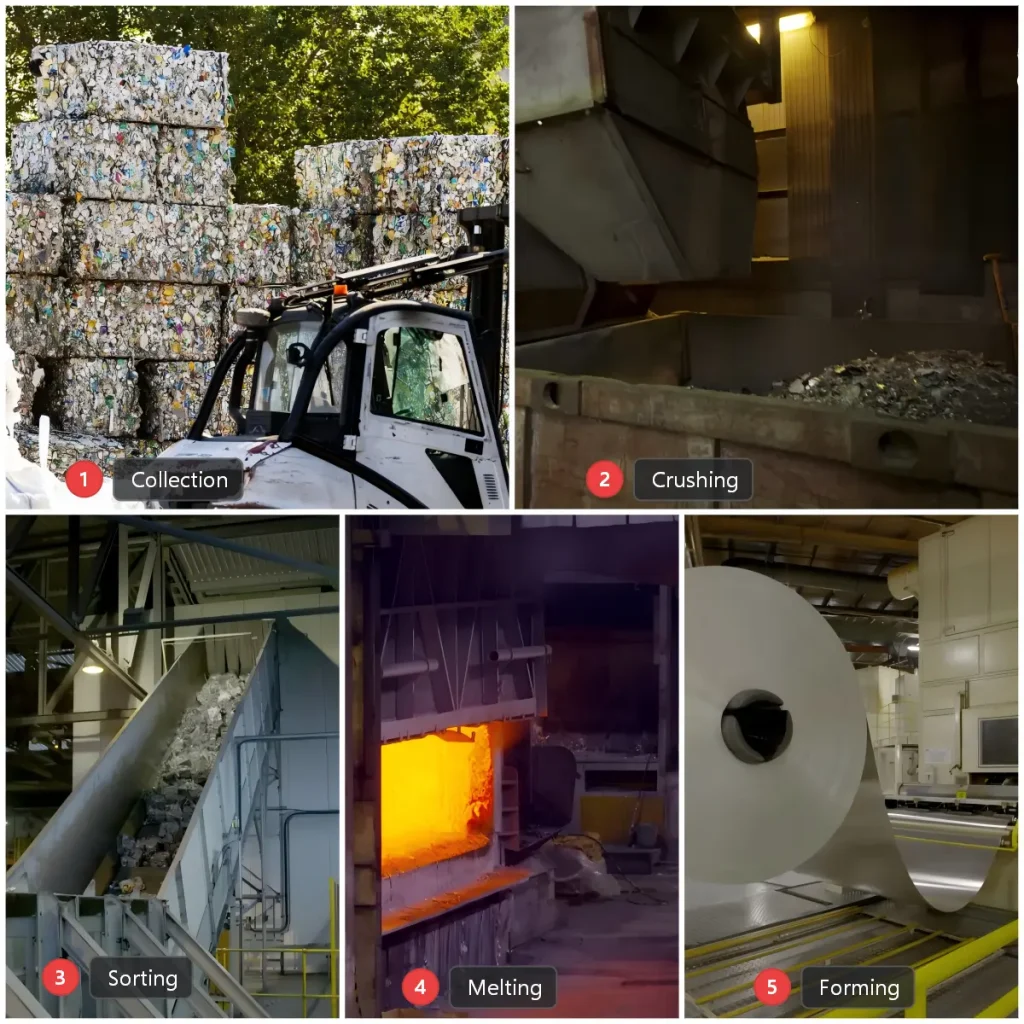
Metal packaging holds a position in the green packaging system comparable to that of glass. It is lighter than glass, and like glass, it can be infinitely recycled with virtually no degradation in quality or performance during the recycling process.
The recycling of metal packaging not only helps alleviate the pressure on mineral resource scarcity but is also a significant energy-saving process, dramatically reducing the energy consumption and carbon emissions associated with primary production. Take aluminum, the most common metal in packaging, as an example: aluminum is like an “energy bank” — the energy required to produce one new aluminum can is enough to recycle 20 used cans. In other words, the electricity saved by recycling just one aluminum can is sufficient to power a 100-watt light bulb for nearly 12 hours. For this reason, the recycling value of metal packaging is generally higher than that of plastic and glass.
In addition to having a higher recycling value, metal packaging also offers greater flexibility in how it is processed during recycling. Even just in the sorting stage, multiple technical methods can be employed: in addition to optical sorters, magnetic separation and gravity separation can also be used to efficiently separate target metals. Furthermore, metal packaging recycling also involves a “pre-treatment” step, during which labels, coatings, inks, and other attachments are removed from the packaging surface through cleaning.
3.4 Paper Packaging Recycling
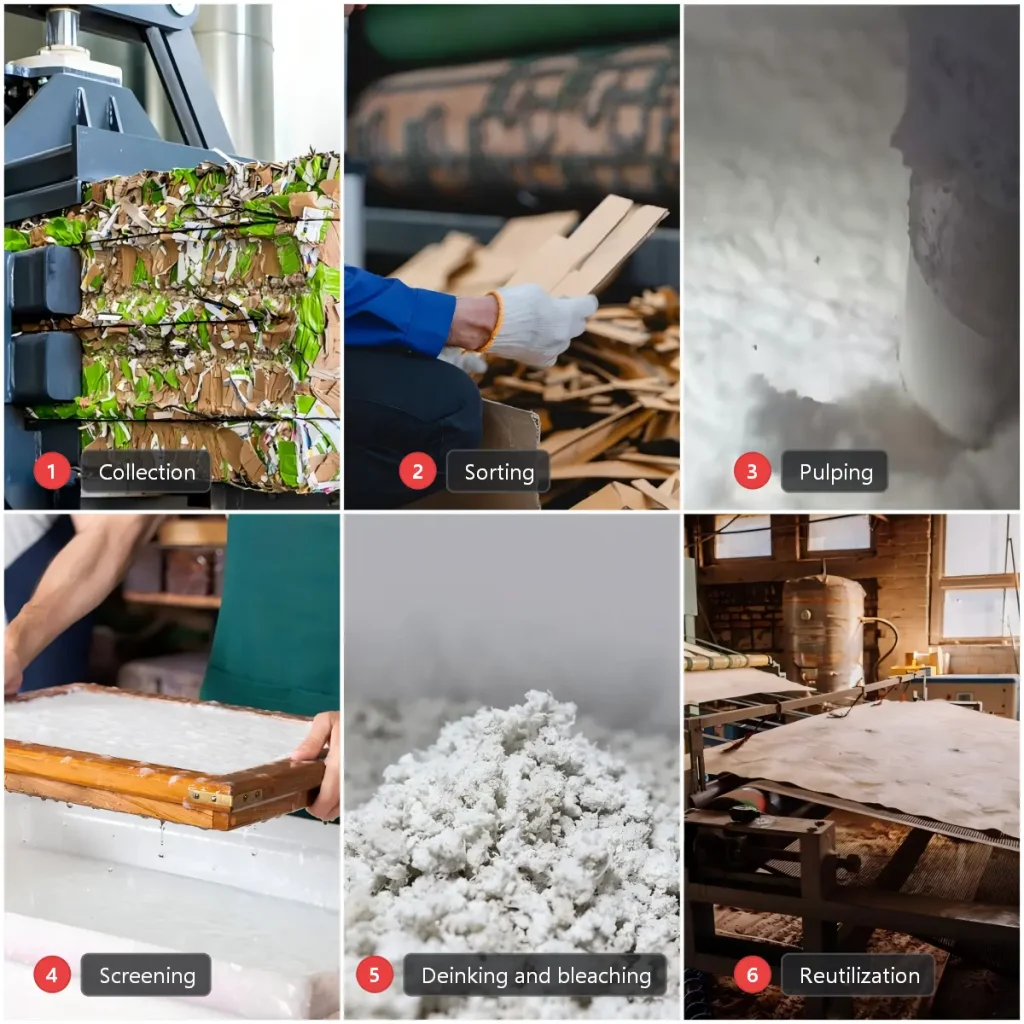
The recycling process for paper packaging (including cardboard, cartons, paper boxes, etc.) is more complex than that of other materials, yet it remains one of the most widely recycled materials in the world. These paper packaging originates from valuable forest resources and is often regarded as the “gold of waste” in the recycling industry. According to industry estimates, recycling one ton of waste paper can produce approximately 0.8 tons of new paper, which in theory saves around 17 trees used for pulping.
The key to paper packaging recycling lies in fine sorting and purification. Once waste paper arrives at the recycling facility, it must be sorted into different categories, such as printing paper, newsprint, and packaging paper. However, not all sorted waste paper can be successfully regenerated. Take cardboard boxes with adhesive tape, for example — these often need to be manually picked out and processed separately. If the tape residue is too stubborn to be completely removed, the box will have to be mixed with other types of waste for downcycling or incineration. The same limitation applies to contaminated tissue paper and takeout boxes stained with grease.
After sorting, the qualified waste paper is sent to a paper mill and enters the pulping stage. It is first put into a pulper and mixed with water to be broken down into coarse pulp. It then goes through a series of processes — screening, purification, cleaning, deinking, etc. — to remove contaminants such as plastics, metals, adhesives, and inks. Finally, the purified pulp becomes a qualified mud-like substance suitable for papermaking — this is recycled fiber.
The purified recycled fiber then goes through a series of forming processes on the paper machine — including pressing, drying, and calendering — to be remade into paperboard or paper of various thicknesses, eventually returning to our lives and completing one cycle.
4. Packaging Recycling Case Studies
Although a well-established recycling system is the cornerstone of a circular economy, it is undeniable that the high demands of sorting and separation often discourage the general public and place enormous upstream pressure on the recycling industry.
To address this challenge, in recent years, many countries have introduced additional environmental measures in terms of policies and public facilities to guide and encourage citizens to participate in environmental practices. At the same time, more and more brands have begun taking proactive steps by embedding recycling mechanisms directly into the product lifecycle.
4.1 Smart Recycling Machines
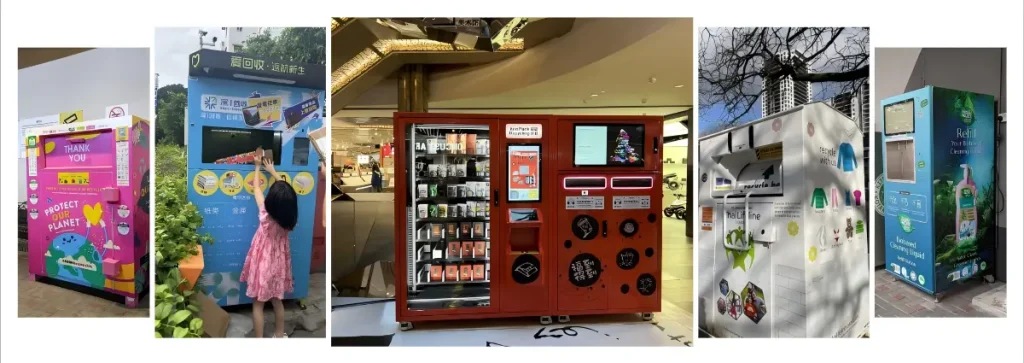
Currently, communities and supermarkets in many countries have begun deploying smart recycling machines specifically designed to collect different types of waste — such as plastic bottles, clothing, cardboard, and metals. However, the recycling mechanisms vary from one country to another.
Take European countries such as Portugal, the United Kingdom, and Germany as examples. Plastic beverage bottles and metal cans sold on the market are included in a Deposit Return System (DRS). Each container carries a deposit of approximately 10 euro cents, and consumers can retrieve this amount by returning the empty packaging to designated collection points. This measure is designed to guide consumer purchasing and recycling behavior while promoting the circular economy. From a behavioral economics perspective, deposit systems have proven highly effective. According to data released by the German Federal Environment Agency in 2024, countries operating a deposit return system maintain an average plastic bottle return rate of over 98%.
In contrast, China’s smart recycling mechanisms are largely based on reward incentives. For example, users can accumulate points by returning empty bottles or cardboard, which can then be exchanged for small gifts such as keychains or stickers built into the recycling machine. Some smart recycling machines dedicated to cardboard even allow users to exchange their recycled materials directly for cash.
4.2 In-store Collection Points
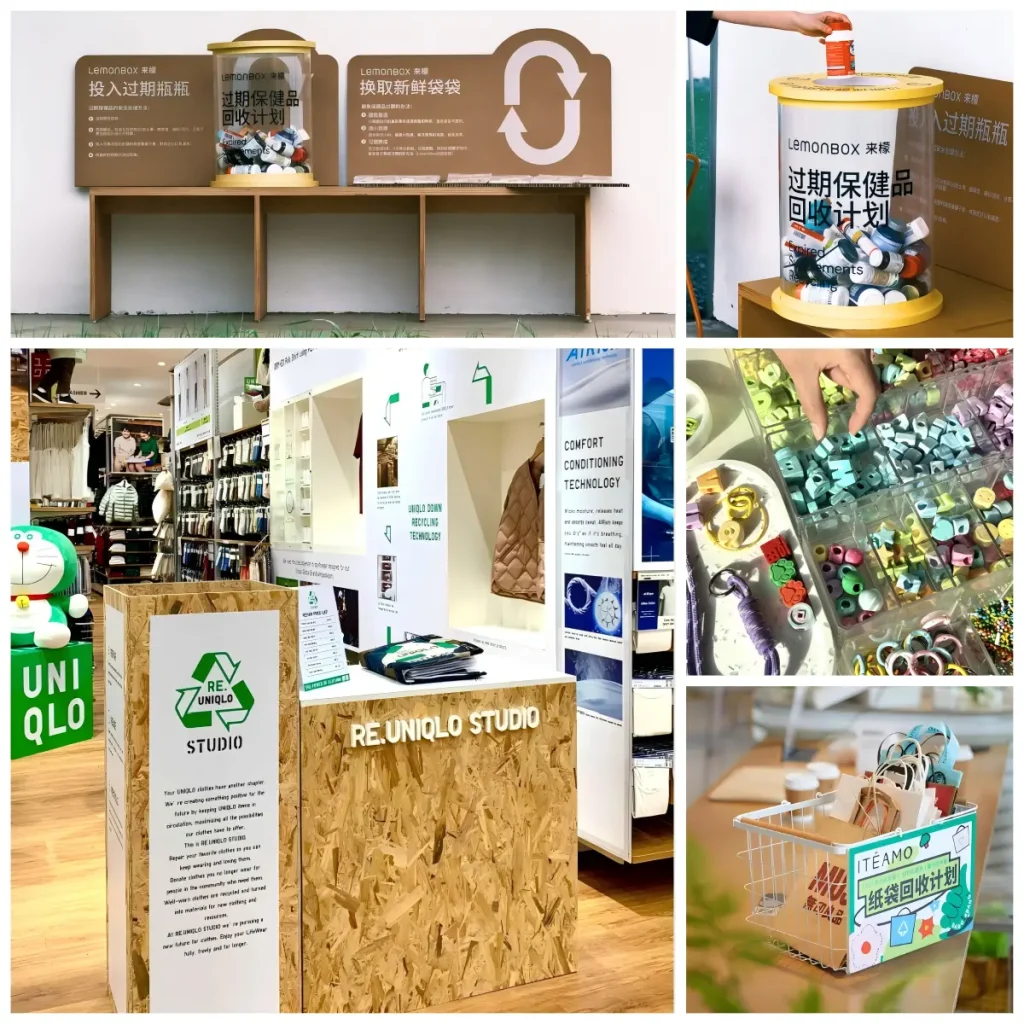
In addition to policy advocacy and public infrastructure support at the government level, many brands have also begun setting up in-store collection points to respond to environmental calls and put circular economy principles into practice. Through initiatives such as “returning empty bottles in exchange for points, samples, or gifts made from recycled plastic,” many brands have achieved notable success in the recycling of plastic containers.
In the process of establishing these recycling mechanisms, brands not only make tangible contributions to packaging recycling but also subtly guide consumers to adopt proper recycling practices, raising public awareness of environmental protection and recycling, making green consumption an everyday habit for more and more people.
4.3 Recycling-by-Redesign
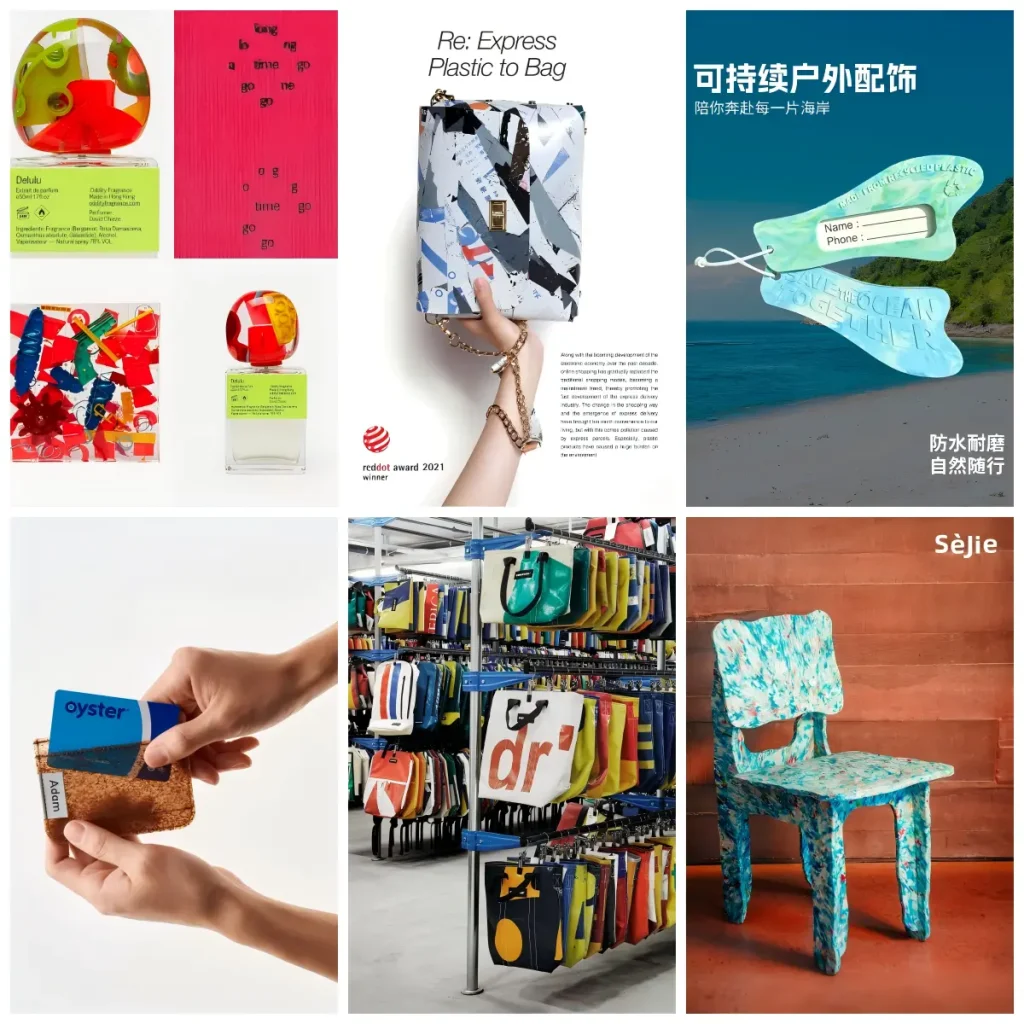
Recycling doesn’t just happen the moment consumers “throw something away” — it also happens the moment brands “make something.” In addition to encouraging people to return empty bottles, some brands go a step further — they make their products “grow” directly from recycled materials. These “recycling-by-redesign” brand cases are redefining what it means to be a “green product.”
4.1 Oddity Studio
Oddity Studio, a Hong Kong-based design studio, collects discarded toy plastics and transforms them into perfume bottle caps. These caps feature irregular, colorful spots on their surface, resembling the colorful glass marbles treasured in childhood. The design aims to explore the relationship between material consumption and emotional preservation through the creative reuse of recycled materials. The discarded toy plastics, once reshaped, seem to become time capsules carrying memories.
4.2 Freitag
Another brand worth mentioning is Freitag, a Swiss fashion brand established over 30 years ago, specializing in trendy bags made from recycled materials. These bags are not “perfect” — some even have visible scratches — yet this has not prevented the brand from achieving annual revenues in excess of tens of millions of dollars. Freitag not only has a loyal base of young consumers, but its works have also been collected by the New York Art Museum.
Freitag’s recycled materials come primarily from used truck tarpaulins. Although the surface of these tarpaulins is not flawless, each piece of recycled fabric has a different texture, and the cutting and design of each bag are uniquely crafted, making every bag on the shelf “the only one in the world.” It is this rebellious character — breaking away from standardized production — that has made Freitag a rare cult brand in the fashion world.
4.3 Plastic Response
Plastic Response is a Beijing-based technology company dedicated to sustainable solutions and the research, development, and execution of public education products, activities, and equipment. The company specializes in transforming recycled plastic items — such as bottle caps — into aesthetically pleasing and functional products, including luggage tags, phone stands, alphabet bead strings, and medals.
4.4 Potato Head
At the Potato Head Hotel in Bali, designer Max Lamb uses recycling and redesign to make the hotel’s waste “visible” again. He transforms discarded items such as unused chairs, bottle caps, and toothpaste tubes — through processes like heat pressing — into new objects, including chairs for sitting or lying on, dresser storage boxes, and pouches.
These new objects do not deliberately hide the traces of recycling; instead, they intentionally retain the imperfections of the raw materials and the uneven tones that emerge during the molding process. Design, in this context, no longer pursues beauty alone but authentically presents the past and present life of each object.
4.5 Sozai Center
Sozai Center, a Japanese design studio, has invented a water-washable, scratch-resistant biomaterial made by blending leftover apple pomace with bioplastic. The studio uses this material to create card cases in various shapes, which feature a translucent, speckled texture that looks natural and ecological. It is reported that approximately 87% of the material consists of apple pomace harvested in spring, and it contains no petroleum-derived plastics.
5. Recyclable Packaging Solutions
Through the discussion above, we believe you now have a more comprehensive understanding of recyclable packaging. However, we also recognize that the length and breadth of this article may at times feel overwhelming or make it easy to lose focus.
To help you better implement your recyclable packaging initiatives, we suggest exploring the following five areas in light of your brand’s own philosophy and resources.
5.1 Material Sourcing
Choosing the right material is critical if you want your product packaging to enter and be efficiently processed by the recycling system. PET, PP, glass, and metal are all good options. However, decisions should also take into account the recycling policies, infrastructure, and costs in the regions where your products are sold. For example, although glass has excellent recyclability and its recycling steps may appear similar to those for plastic, its heavier weight often means that the actual recycling cost may not be lower than that of plastic.
5.2 Eco-Design
Beyond selecting appropriate packaging materials, design improvements can also address major challenges currently facing packaging recycling. These include simplifying packaging structures, reducing complex surface finishes, introducing refillable packaging that uses less material, and guiding consumers to reuse packaging rather than frequently replacing it with brand‑new containers.
5.3 Recycling Mechanisms
Brands can leverage their own resources and budgets to set up dedicated collection points and build a feasible, sustainable recycling mechanism. Through such a system, brands can establish long‑term connections with users, communicate their brand values, and make their business more sustainable.
5.4 Lifecycle Tracking
Eco‑friendly claims that are not backed by real data are fragile and unlikely to withstand market scrutiny. Once a brand commits to environmental and sustainability goals, it must be prepared to disclose details — for example, publishing the full‑lifecycle carbon footprint of its packaging (from production to disposal) or conducting internal lifecycle assessments of packaging. Beyond preparing data reports, brands can also demonstrate their commitment through practical actions, such as setting up a closed‑loop system that covers production, sales, and reuse, allowing consumers to see firsthand the lifecycle of the packaging they hold.
5.5 User Participation
Rather than unilaterally choosing recyclable packaging materials, involving users as much as possible in the recycling activities advocated by the brand can bring consumers and the brand closer together. Examples include organizing DIY contests for repurposing empty bottles or providing consumers with clear instructions for recycling containers. These initiatives, much like setting up in‑store collection points, are highly feasible strategies for promoting environmental protection.
6. Conclusion
As you explore environmental practices in these five directions, we hope brands understand that environmental protection and packaging recycling have never been about simplistic comparisons of “more versus less.” Rather, they are about whether a brand is willing to proactively assume responsibility for environmental protection. Even something as straightforward as establishing a recycling mechanism and taking on the end‑of‑life stage of a product’s lifecycle is a concrete action in support of sustainable development.
Regarding solutions for recyclable packaging, we have always aimed to offer not just “nice‑sounding” advice but genuinely workable approaches. If you have more ideas about recyclable packaging or would like to collaborate with us on designing and producing recyclable packaging, please feel free to leave a message or contact us by email.