Book Categories:

When discussing “what materials to choose for sustainable packaging,” biobased materials—along with a range of other terms such as recyclable materials, biodegradable materials, and compostable materials—may come to mind.
Before these concepts and their relationships are clearly sorted out, you may find yourself feeling overwhelmed by the many options. Today, we will start by introducing the definition of biobased packaging, exploring different examples of biobased packaging, and helping you clearly distinguish those easily confused sustainable material terms—so that you can move forward more effectively with your sustainable packaging projects.
1. What is Biobased Packaging?
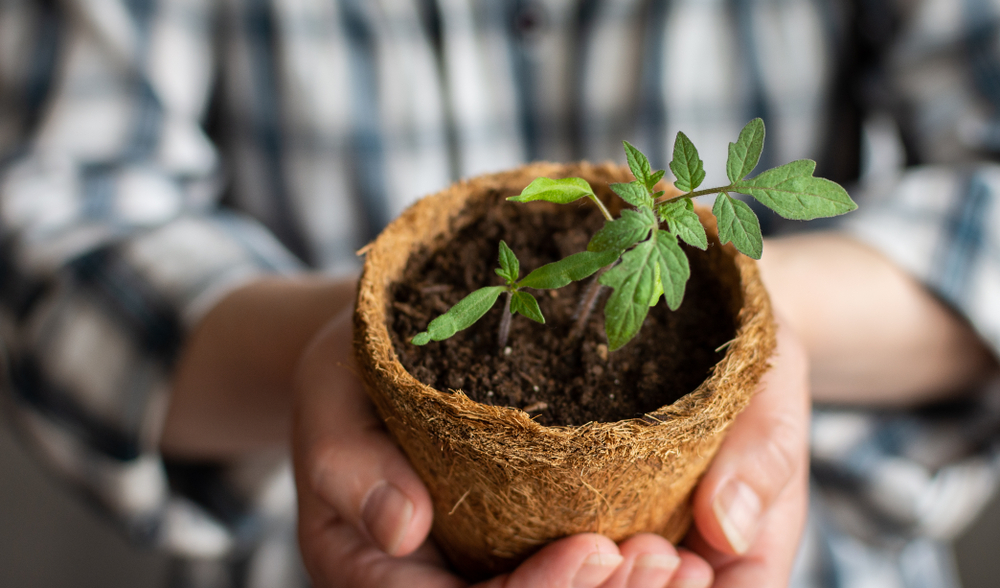
Bio-based packaging refers to packaging products made from renewable natural resources such as bagasse, straw, corn fiber, and seaweed, using technologies including biological fermentation, chemical modification, or composite processing.
It is worth noting that most bio-based packaging appears in the form of composite materials. Depending on the type and proportion of renewable content used in the packaging, its environmental attributes may vary: some bio-based packaging is not biodegradable, some can be composted, and others need to enter the recycling system for end-of-life treatment.
To help you better understand bio-based packaging in a more intuitive way, below we will share 10 packaging cases currently on the market that use biobased materials, exploring how brands adopting bio-based packaging approach sustainable packaging design and what they have achieved.
2. Coffee Ground Container

Berlin is a city steeped in café culture. Every day, tens of thousands of espresso shots are enjoyed across the city, and the coffee grounds left behind are mostly tossed into garbage bags, eventually ending up in incinerators or landfills. But these discarded grounds still carry the rich essence of sun, soil, and fruit. As designer Julian Nachtigall-Lechner put it, “They deserve better than being wasted.” After five years of experimentation, he founded Kaffeeform, turning coffee grounds from cafés into cups that hold hot beverages, trays that can be washed, and even watch cases in collaboration with other brands.
From waste to container, Kaffeeform’s entire production process reflects sustainable values. A bicycle team collects fresh coffee grounds from city cafés, then dries them, mixes them with bio-adhesives, and shapes the material into finished products. From the café to the final product, the entire process takes about a month. Customers can order custom containers with their own logos on the official website—they are heat-resistant, sturdy, lightweight, washable, and recyclable.

Turning food waste, such as coffee grounds, into containers or decorative items is not an isolated case. Designer Hutsama Juntaratana collects kitchen scraps from her own home and nearby restaurants—including eggshells and coffee grounds—and uses plastic water bottles and takeaway food containers as molds. By heating and thoroughly mixing the materials, she creates flowerpots in various shapes. Materials research team ComposTerra specializes in compressing organic waste (coffee grounds, tea leaves, orange peels, etc.) into coasters, earrings, wall tiles, aromatherapy cups, and other products. CHAZENCE, a brand under Hyle design, turns reclaimed firewood and tea waste into wrapping paper, tissue boxes, bags, and other beautiful, sustainable items.
These cases together show that waste is not an endpoint, but a resource yet to be fully understood. In the hands of designers and innovators, coffee grounds and food scraps can not only carry forward the warmth and texture gifted by nature but also show us the possibility of transforming everyday life toward a circular economy—a handful of coffee grounds might just be the key to unlocking the future.
3. Bagasse Packaging

In addition to coffee grounds and tea leaves, bagasse is another common bio-based material on the market. Moreover, the production process and application maturity of bagasse packaging are far more advanced than those of the former two.
Bagasse packaging is made from the fibrous residue left after sugar cane has been pressed for sugar. The material is crushed, pulped, and molded into shape—typically without the use of inks or plastic additives. The finished product has a natural straw-like color and fiber texture. It is not only compostable but also offers practical properties such as water resistance, oil resistance, and microwaveability, with a fairly premium feel.
Currently, bagasse packaging is most widely used in the food industry, appearing in meal boxes, tableware, and even high-end packaging boxes for everyday items or cosmetics. For example, Olivio (Hong Kong) Limited has designed a children’s sunglasses case using bagasse. The white-space surface design not only highlights the material’s unique texture but also leaves children with enough creative freedom—they can color the case with markers and create their own personalized packaging.
Perhaps one of the most interesting cases is Holy Carp, a small soy fish dropper developed by designers Angus Ware and Jeffrey Simpson using bagasse-based biobased material, as an alternative to traditional plastic soy fish packets.
Compared to the many biobased packaging options on the market, a biobased soy fish dropper may look unremarkable. Yet this tiny plastic fish—which is typically used for only a few minutes and is small enough to be easily overlooked—can, once discarded, have an environmental impact lasting hundreds of years. From this perspective, a small soy dropper made from bagasse carries no small significance.

In fact, bagasse is just one of many plant-fiber biobased materials. Plant-fiber packaging currently available on the market also includes formulations based on straw, wheat, bamboo, and other materials. However, it is worth noting that some plant-fiber containers may have small amounts of plastic added during production, depending on the intended use scenario and performance requirements. Therefore, when sourcing this type of packaging, it is advisable to confirm with the supplier in advance: is it 100% bio-based, or does it contain only a specific percentage? And what are its degradation conditions and end-of-life disposal methods? On the path to sustainable packaging, sometimes what matters more than “which material is used” is “whether you clearly understand what you are using.”
4. PLA Spirits Bottle
PLA stands for polylactic acid. Its main raw materials are plant starches such as corn and cassava, so strictly speaking, containers made from PLA fall under the category of bio-based packaging. The production technology for PLA is now relatively mature: the starch from corn, cassava, or sugarcane is first fermented into lactic acid, which is then processed into PLA pellets through specialized techniques. Finally, these pellets are converted into various bottles and containers using existing plastics processing equipment (such as injection molding and blow molding).
PLA is mainly used in three areas in the market. The first is packaging for fast-moving consumer goods (FMCG) such as food and beverages, including disposable cups and meal boxes, where it offers relatively high safety. However, PLA containers are generally not suitable for hot drinks or food packaging that requires heating, as elevated temperatures, acidic or alkaline environments, and microbial exposure can accelerate aging and degradation. The second area is medical applications, such as surgical sutures and bone screws, where PLA can safely degrade inside the human body without requiring a second surgery for removal. The third is 3D printing, where it has become a preferred material for environmentally conscious users.
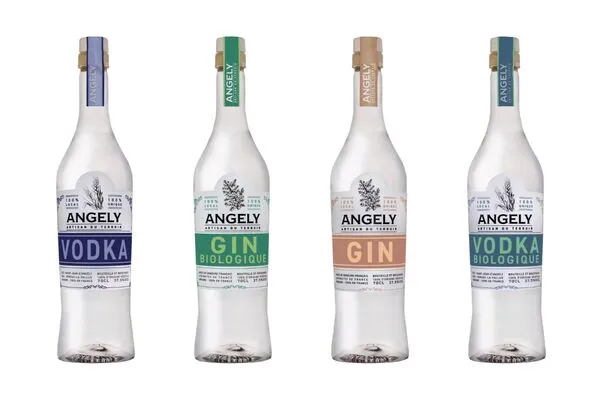
Angély, a new brand launched by French cognac producer A. de Fussigny, features bottles and neck sleeves made entirely from PLA. This is undoubtedly a bold breakthrough in the spirits packaging sector. The original 750g glass bottle has been reduced to 51g, and according to the brand, this achieves an 83% reduction in CO₂ emissions.
Although PLA is a bio-based material with environmental attributes, its “green promise” is not without controversy, mainly regarding its degradation and recyclability. PLA does not fully decompose under natural ambient conditions—the required conditions for complete degradation are quite demanding. It needs several months of treatment in an industrial composting facility to break down into carbon dioxide and water. If a city lacks dedicated industrial composting infrastructure, PLA products will ultimately end up in regular waste bins and be incinerated or landfilled like conventional plastics, rendering their environmental value virtually zero.

Furthermore, PLA closely resembles PET in appearance and density, and current mainstream near-infrared (NIR) sorting equipment struggles to reliably and accurately distinguish colorless PLA from PET. If PLA products are carelessly discarded and mistakenly enter the recycling stream for PET or other plastics—even at a contamination rate of just 1%—they can cause serious problems in the subsequent melt extrusion stage, downgrading high-value food-grade recycled PET (rPET) into low-value products or even rendering the entire batch unusable.
From the professional perspective of Design for Recycling (DfR), if a PLA water bottle is mistakenly introduced into a large-scale PET recycling stream, it is not a solution—it is a technical, systemic, and economic disaster. Therefore, when choosing PLA as a biobased material, we need to take a rational view and comprehensively assess its practical feasibility and end-of-life processing capabilities in the regions where the product is sold. Under specific circumstances, PLA does offer advantages that conventional plastics cannot match, but this should not be allowed to turn it into a form of greenwashing. Only by using it wisely can PLA realize its true value—rather than becoming something even worse than traditional plastics.
5. PHA Paper Wrap

PLA and PHA are currently the two most mature and widely adopted types of degradable biobased materials on the market. Although both fall under the category of environmentally friendly biobased materials and resemble conventional plastics in appearance and functionality, there are fundamental differences between them, ranging from raw material synthesis and production processes to degradation conditions.
PHA stands for polyhydroxyalkanoate. Unlike PLA, which is produced through chemical polymerization, PHA requires no chemical synthesis. Its production relies on the natural metabolism of microorganisms. Specifically, using organic biomass, food waste, or industrial organic by-products as fermentation substrates, specific bacteria are cultivated to synthesize and store polyester polymers inside their cells. These polymers are then extracted and processed into PHA granules. Overall, the production and processing of PHA are significantly more difficult than those of PLA, which is why PHA is considerably more expensive than both PLA and conventional plastics (typically two to five times the price of traditional plastic). That said, there is no denying that in the field of sustainable packaging, PHA is a superior bio-based material in terms of both performance and environmental attributes.

Compared to PLA, PHA is currently a material that can achieve biodegradation across all scenarios. Whether in a home composting environment, in natural outdoor conditions at ambient temperatures, or even in the ocean, PHA can be broken down by microorganisms present in the environment—without the need for specialized temperature or humidity control. Relevant experiments have shown that PHA can achieve 90% degradation in natural soil within 200 days, and once fully degraded, it yields only carbon dioxide and water, leaving behind no toxic or harmful residues.
Although the development and production costs of PHA packaging are higher than those of PLA, many companies are still willing to invest in this area precisely because of its unparalleled environmental benefits. Nestlé’s brand ¡Qué Rico! has begun using PHA paper wrap for some of its products, which are now being rolled out in the Panamanian market. Looking ahead, the company plans to gradually replace approximately 5,500 tons of packaging materials per year—shifting from conventional plastics to whey-derived PHA biobased materials.
6. Vivomer Packaging

Vivomer is a home-compostable bio-based material developed by Shellworks, a UK-based biomaterials company. It is essentially a type of PHA, produced by feeding microorganisms with second-generation feedstocks (industrial or agricultural by-products), which then ferment and generate polymers. Not only is the production process low-carbon and environmentally friendly, but the material also offers good equipment adaptability—it can be shaped directly using conventional plastic processing equipment, making the forming of packaging more diverse, flexible, and efficient.
Since its launch, Vivomer has attracted the attention and adoption of many brands. For example, Wild uses Vivomer for its hand wash refill bottles and deodorant refill bottles. The material is compatible with most cosmetic products and is also approved for food contact, having received FDA certification and compliance with EU Regulation 10/2011 on food contact materials.
Another important reason for Vivomer’s popularity is that it is inherently plastic-free yet offers a user experience similar to plastic, with some properties even surpassing those of plastic. Vivomer packaging can be put in the dishwasher or placed in humid environments such as showers without compromising its protective performance. It only begins to biodegrade when microorganisms are active, and the material is exposed to natural environmental conditions.
From farm by-products to high-performance packaging, Vivomer demonstrates the immense potential of biomaterials in the circular economy. It shows us that being plastic-free does not mean compromise—and that being eco-friendly can be simple.
7. Mycelium Packaging

The main raw material of mycelium packaging is mycelium derived from fungi. By combining it with other organic agricultural waste, then shaping and drying the mixture, it can be formed into a packaging material with cushioning and protective properties. This material is not only 100% biodegradable but can also be composted directly at home.
Take Wildsmithskin, a high-end skincare and wellness brand, as an example. The brand is committed to improving skin health and overall well-being through plant science while upholding sustainable values. Some of its products feature bottles made from Vivomer bio-based material and inner packaging trays made from mycelium.
It is worth noting that mycelium packaging has certain requirements for storage conditions. It is generally not recommended to expose it to prolonged humidity or direct sunlight. It offers some thermal insulation but is not waterproof—when exposed to water, it loses its rigidity and degrades more quickly. Another practical reality is that the number of companies currently capable of producing mycelium packaging is still limited. Representative players include Mushroom Packaging and Grown Bio. This type of packaging is primarily used for outer packaging or inner trays and is not yet suitable for direct contact with food or cosmetic products.
8. Swaweed Packaging

In addition to mushrooms, seaweed is also an important source of biobased materials. Similar to most biobased materials, seaweed-based packaging offers clear advantages in terms of production, degradation, and usability. However, different formulations used by R&D companies can lead to variations in the environmental attributes of biobased packaging. Therefore, when selecting seaweed-based material for packaging, it is important to pay close attention to its specific recycling and degradation methods.
Notpla and Sway are two companies specializing in seaweed-based packaging, but they focus on different product categories and environmental performance characteristics. Sway’s seaweed-based packaging is primarily used for retail fast-moving consumer goods (FMCG) bags, such as garment bags and shopping bags. It degrades mainly through home composting and industrial composting, typically breaking down completely within six months. Compared to conventional plastic bags, which may take decades or even centuries to degrade in landfills, Sway’s seaweed bags are undoubtedly a superior alternative to plastic.
In contrast, Notpla’s seaweed-based packaging product line is more diverse, spanning seaweed-coated film, rigid cutlery, energy gel pods, laundry sachets, and food oil pipettes. In addition to being home‑compostable, Notpla’s seaweed‑based film packaging is also an edible, bio‑based material. At the 2019 London Marathon, the organizers used this product as the packaging for the runners’ energy drinks.
If mushroom packaging represents the exploration of land-based bio-based materials, then seaweed packaging opens up sustainable possibilities from the ocean. Whether it’s Sway’s shopping bags or Notpla’s edible membranes, both point in the same direction—making packaging, like seaweed, born from nature and returning to nature.
9. Sead Packaging

In addition to seaweed, shellfish, and crustaceans from the ocean can also serve as raw materials for bio‑based packaging. Designer Mara Zimmerman has taken a different approach by using seafood shell derivatives—waste from the seafood processing industry—to create bio‑packaging for plant seeds. Through compression and heating, she produces a package in which each individual compartment contains a seed. When people are ready to plant, they simply break apart the packaging, crumble it, and bury everything directly in the soil. What’s even more clever is that the chitin contained in the packaging material converts into a natural fertilizer during degradation, promoting crop growth and enhancing the plants’ resistance to pests and diseases.
Unlike many of the biobased materials cases mentioned earlier that aim primarily to “reduce pollution” or “replace plastics,” Mara Zimmerman’s design feels particularly vibrant and wonderfully imaginative. It does not seem merely to be passively solving the problem of waste disposal; rather, it actively and positively puts wasted resources to work in creating new life.
Admittedly, planting with one’s own hands may not be part of most people’s daily routine. Yet the emergence of these seemingly small bio‑based packaging products still sends us a clear and profound ecological message. It reminds us that waste is not the end of the journey, but rather the beginning of another life story. When we bury “packaging” in the ground, it does not become trash—it becomes a flower. Perhaps that is the most poetic interpretation of the circular economy.
10. Sulapac Packaging

Sulapac is a bio-based material developed by biochemists Suvi Haimi and Laura Tirkkonen-Rajasalo, made from biodegradable biopolymers and sustainable fillers such as side stream wood and natural clay minerals. The two later founded a company under the same name, Sulapac, specializing in producing packaging and a wide range of products from this material—including cosmetic containers, spatulas, straws, tableware, and more.
Sulapac is not only industrially compostable but also highly adaptable in terms of production technology. It supports conventional processing methods such as injection molding, extrusion, and thermoforming, and can also be used as a 3D printing material. From a technical perspective, there are no significant obstacles to the large-scale production of this bio-based packaging.
From the lab to the shelf, Sulapac has demonstrated that biobased materials do not need to sacrifice production efficiency for environmental benefits. When a material is both degradable and compatible with existing plastics processing systems, it truly has the credibility to replace conventional plastics.
11. Paperfoam Packaging

In the previous section, we mentioned that cassava or potato starch can be used to produce PLA. In fact, their uses go beyond that. There is a bio-based material that also starts with potato starch, but takes a completely different path from PLA. It does not require fermentation, polymerization, or pelletizing. Instead, potato starch is directly blended into a slurry and injection-molded into paper-like packaging boxes that offer both texture and rigidity—and that material is Paperfoam.
Because Paperfoam eliminates the fermentation and polymerization steps, its production process is more “natural,” and the process chain is shorter. Not only is its manufacturing energy consumption far lower than that of conventional plastics, but the finished product is also home-compostable, can be recycled together with paper, and has a very low carbon footprint.
These advantages have attracted a number of brands: Half Magic’s makeup compacts, Ben & Anna Deocreme’s deodorant containers, and T-Mobile’s outer phone packaging boxes all use Paperfoam.
In the landscape of biobased materials, Paperfoam may not be the most dazzling, but it offers an important insight: there is no single answer to sustainable packaging. Sometimes, the simplest process is the closest to nature.
12. Advantages of Bio-based Packaging

Bio-based packaging emerged as a way to find more environmentally friendly material solutions. From the case studies above, it is easy to see that the bio-based packaging currently available on the market offers several key eco-friendly advantages:
- Renewable raw materials: Uses naturally renewable resources (plants, agricultural waste, etc.), reducing dependence on petroleum-based resources.
- Lower carbon footprint: Whether from a production or end-of-life perspective, bio-based packaging plays a positive role in reducing carbon footprint.
- Degradable closed loop: Most bio-based packaging can be composted either industrially or at home, giving waste a real possibility of “returning to nature.”
- Valorization of waste: Some bio-based packaging uses industrial or agricultural waste as raw materials, and its very existence reduces resource waste and secondary pollution.
- Reduced ecological pressure: A growing number of bio-based packaging solutions are replacing conventional plastics, reducing the volume of plastic used and effectively easing pressure on the environment.
- No microplastics, safe: Bio-based alternatives to plastics are not only eco-friendly but also do not generate harmful substances such as microplastics—even if they enter the food chain or the natural environment—making them a packaging material more aligned with the principles of sustainable development.
Of course, bio-based packaging is not a “perfect answer”—different materials still vary in terms of degradation conditions, cost, and performance, requiring us to choose rationally and use them wisely. That said, there is no denying that they are opening a door to the circular economy: from “taken from nature” to “returned to nature,” packaging no longer needs to be a single-use burden, but can instead become part of the natural cycle.
13. Review and Future Prospects

As a packaging manufacturer, we are delighted to see how vigorously eco‑friendly packaging is developing today. Sharing this article is not only an opportunity for us to learn and explore materials and packaging, but also a way to inspire more people—to help them understand the strengths and limitations of bio‑based packaging, and then make rational, context‑based decisions about its feasibility.
If you have unique insights into bio‑based packaging or if you are ready to begin a sustainable packaging design journey, please feel free to reach out to us. We look forward to working with great brands to create packaging solutions that are truly kind to the environment.