Book Categories:

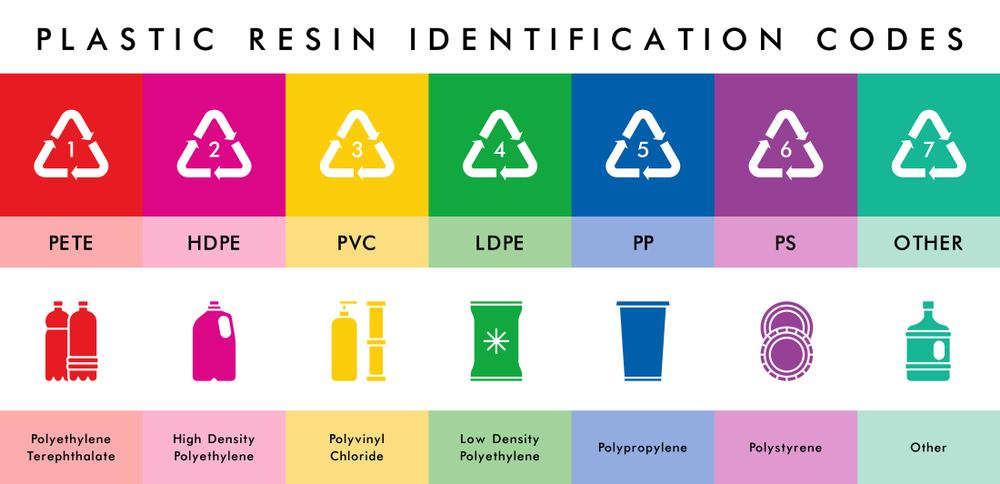
The recycling code generally refers to the plastic material identification numbers 1-7, also known as the Resin Identification Code, which was established by the Society of the Plastics Industry (now known as PLASTICS) in 1988.
This code is primarily intended to help manufacturers and recycling facilities identify the type of plastic or packaging material, facilitating material sorting. It does not directly indicate whether the plastic has recycling value or can actually be recycled.
These codes are usually printed inside a triangular symbol on the bottom of containers, with numbers ranging from 1 to 7, each corresponding to a specific type of plastic material. Next, we will take an in-depth look at each recycling code to help you better understand the material characteristics, recycling value, and practical packaging applications of each type of plastic.
1. Recycle Number 1 PET
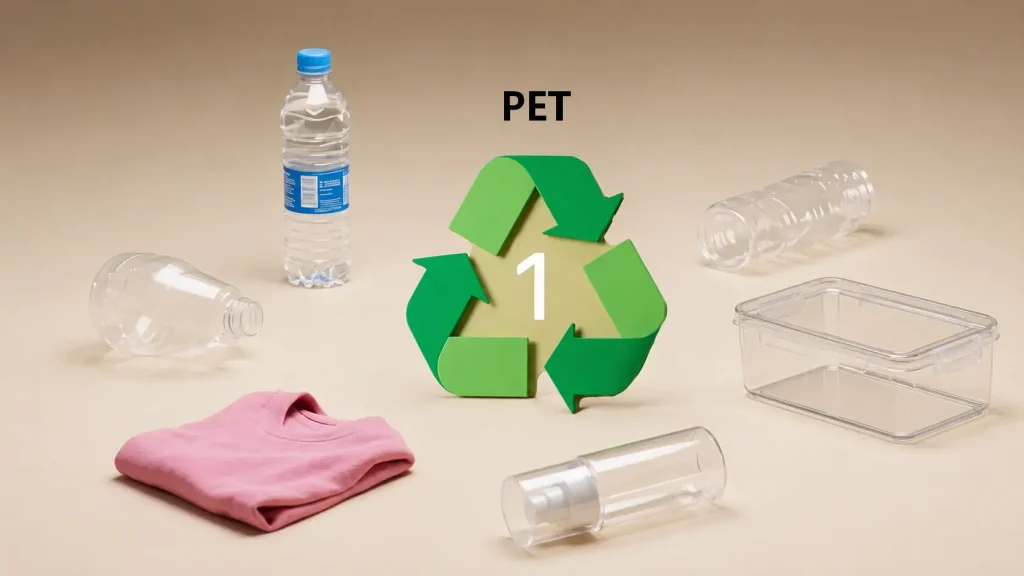
Recycle number 1 PET (Polyethylene Terephthalate). It has high gloss, feels hard and solid, and is not easily deformed.
This plastic is most commonly used for packaging such as mineral water bottles, carbonated beverage bottles, and cosmetic containers. Understanding the characteristics of PET material below will help you make more informed decisions when purchasing PET packaging and using PET containers appropriately.
1.1 High Transparency
PET’s transparency is second only to PMMA (acrylic glass). For packaging that relies on visual appeal and needs to display the condition and quality of the contents, PET is the most cost-effective choice among high-transparency plastics.
1.2 Chemically Stable
PET is stable against most acids, alkalis, oils, alcohol, and other substances. Unlike PMMA, which can easily react with various skincare formulations, PET is therefore highly suitable for packaging cosmetic products and oil-based foods.
1.3 Good Barrier Properties
PET is a crystalline plastic and exhibits good barrier properties after molding. For most fast-moving consumer goods such as sodas, mineral water, and shampoo, packaging needs to prevent oxygen ingress (to avoid spoilage), prevent carbon dioxide escape (to maintain carbonation), and reduce water vapor loss (to prevent drying out). PET’s barrier performance against these three gases is sufficient to meet the typical 1–2 year shelf life requirements.
It should be noted that PET’s barrier properties are not the highest among plastics. However, when considering price, transparency, and processability together, PET offers the most balanced solution. For example:
EVOH has higher barrier properties, but it is expensive and sensitive to humidity (barrier performance drops sharply in humid environments), making it a case of “over-engineered” performance.
LDPE also has better barrier properties in certain aspects (such as water vapor resistance) than PET, but its transparency is far inferior to PET, making it unsuitable for transparent packaging applications.
1.4 Not Heat-Resistant
PET has good rigidity and toughness, but it is not heat-resistant. It is generally not recommended for filling with hot water or hot food exceeding 70°C. If the bottle is thin-walled, it may deform when exposed to heat and could potentially leach harmful substances that may be harmful to human health.
1.5 High Recyclability
PET is one of the plastics with the most well-established recycling systems. After recycling, it can be made into polyester fibers, new bottles, sheets, and other products, aligning with current environmental trends. However, it should be noted that whether a PET bottle is actually recycled depends on its design for recyclability (such as avoiding multi-layer material structures or complex labels) and whether it is correctly sorted and disposed of by consumers.
1.6 Not Recommended for Reuse
Although PET is chemically stable, it is generally not recommended for secondary use in packaging for food or cosmetics. This is because PET cannot withstand high-temperature sterilization, making it difficult to ensure cleanliness for reuse. Additionally, after a certain period of use, PET naturally ages and may generate microplastics or other substances that could be harmful to human health.
2. Recycle Number 2 HDPE
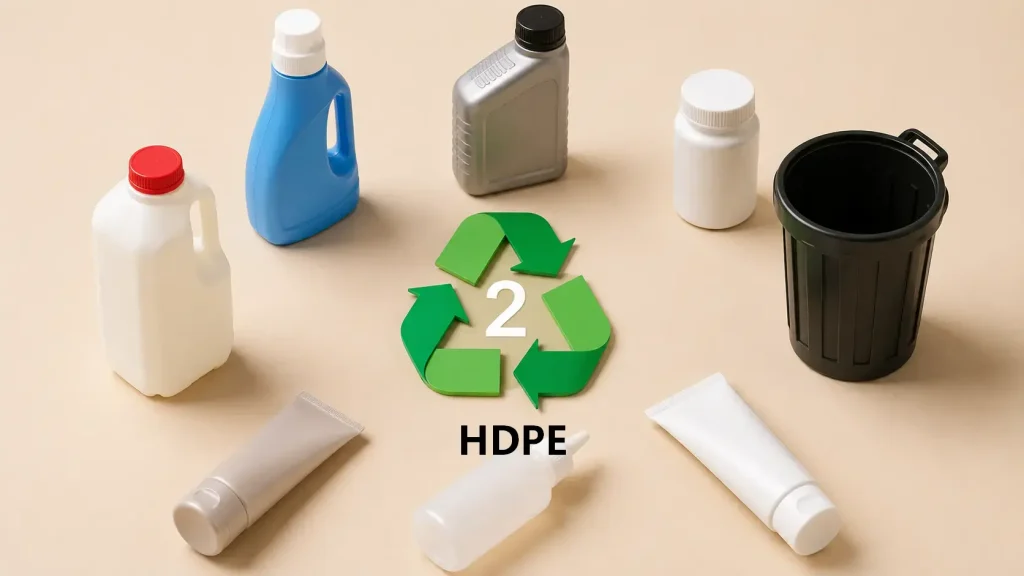
HDPE, which stands for High-Density Polyethylene, has a matte surface and feels smooth to the touch, but with a distinct waxy feel. It is rigid and firm, yet slightly softer compared to PET.
This plastic is most commonly used for packaging of everyday chemical products, household cleaning products, and pharmaceuticals, such as laundry detergents, disinfectants, cleaning agents, and pill bottles. HDPE is also a common material for large-capacity water containers, small fuel tanks, and motor oil bottles. The following characteristics will help you better understand the differences between HDPE and PET in packaging applications.
2.1 Low Gloss and Opaque
Unlike PET, HDPE has a milky white, translucent, or opaque waxy appearance. This natural characteristic gives it stronger UV resistance than standard PET. General PET requires the addition of UV stabilizers or the bottle to be made brown (or another dark color) to achieve UV protection.
3.2 High Chemical Resistance
HDPE is resistant to acids, alkalis, and organic solvents, with overall chemical resistance superior to PET. Therefore, products such as disinfectants, cleaning agents, and chemical reagents with higher concentrations of active ingredients tend to prefer HDPE packaging solutions. However, it should be noted that HDPE is not suitable for concentrated acids or strong oxidizing liquids (e.g., concentrated nitric acid).
2.3 Better Barrier Properties
Like LDPE, HDPE has better barrier performance against water vapor and oxygen than PET. This is why many medicine bottles, juice bottles, milk bottles, and cleaning agent bottles choose PE bottles — it provides better moisture resistance, reduces the risk of product spoilage due to moisture absorption, and is also well-suited for liquids that are sensitive to odor contamination.
2.4 Good Temperature Resistance
HDPE can withstand temperatures of approximately 90°C to 110°C. However, it is still not recommended to put HDPE containers in the microwave unless they are modified food-grade PE materials explicitly labeled as “microwave-safe.” Prolonged exposure to heat will accelerate material aging and brittleness, and may cause low-molecular-weight harmful substances to leach out.
2.5 Recyclable
HDPE is a recyclable plastic, although its recycling rate is slightly lower than that of PET. Post-consumer recycled HDPE is often used to manufacture plastic pipes, flower pots, trash bins, and other products.
2.6 Not Recommended for Reuse
HDPE can theoretically be reused. However, before reusing it, there are several important facts you need to be aware of:
Do not cross-use
If reuse of HDPE bottles is necessary, cross-use is not recommended: For example, a recycling Code 2 bottle originally used for cleaning agents or disinfectants should not be reused for food storage.
Difficult to clean thoroughly
HDPE has a low surface energy and is hydrophobic and lipophilic: Water does not easily wet its surface, while oil residues and organic components from detergents tend to adhere firmly and are difficult to rinse off completely.
It is softer than PET, and certain areas (such as the bottle neck) may have uneven flow marks during molding, making thorough cleaning difficult.
3. Recycle Number 3 PVC
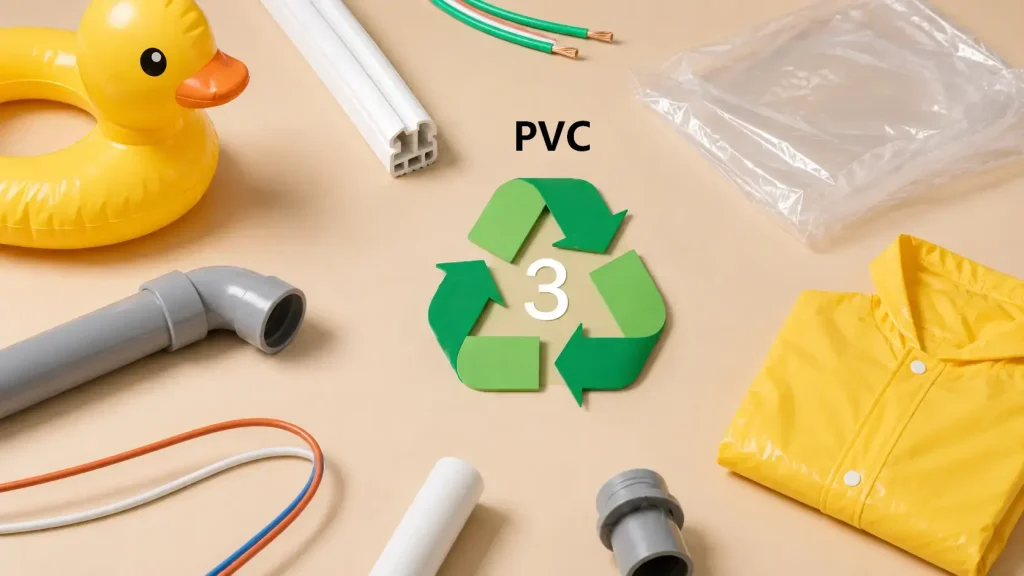
PVC stands for Polyvinyl Chloride. Pure PVC is a smooth, rigid material — harder than HDPE but more brittle than PET.
In packaging applications, flexible PVC also exists, which is obtained by adding a significant amount of plasticizers. Flexible PVC has a smooth surface but feels slightly sticky to the touch. Rigid PVC is commonly used for construction materials such as drainage pipes and plastic sheets, while flexible PVC is often used for plastic bags, shrink films, raincoats, inflatable toys, and stationery. Below are the general properties of PVC — important facts to understand before using PVC packaging.
3.1 High Transparency
Pure PVC can achieve transparency comparable to glass. However, it is not as widely used in food and cosmetic packaging as PET, because when burned or improperly heated, PVC can release toxic gases such as hydrogen chloride. This is one of the reasons why many countries and regions restrict the use of PVC packaging. Nevertheless, thanks to its excellent transparency and low raw material cost, PVC is still used for transparent outer packaging boxes to better showcase products.
3.2 Polarized Chemical Performance
Rigid PVC has excellent acid, alkali, and corrosion resistance, making it widely used in industrial and construction applications. However, flexible PVC can easily leach plasticizers and other toxic substances when in contact with acidic or oily materials. Therefore, PVC is generally not used for food packaging and is not recommended for wrapping food or storing fatty foods.
3.3 Good Oxygen Barrier Properties
PVC has excellent oxygen barrier properties and low raw material cost, which is why it is widely used in pharmaceutical blister packaging. However, its water vapor barrier properties are only moderate, making it unsuitable for long-term storage of moisture-sensitive products such as effervescent tablets or dry powders.
3.4 Poor Temperature Resistance
PVC generally cannot withstand temperatures exceeding 80°C. Above 80°C, PVC begins to soften and deform. At temperatures above 140°C, it tends to decompose and release toxic gases. At low temperatures (around -5°C), PVC becomes brittle. Overall, its temperature resistance is poorer than that of PET.
3.5 Difficult to Recycle
Strictly speaking, PVC is recyclable, but its recycling process is more complex and difficult than that of PET. Since PVC has significantly different properties from other plastics, such as PET, and because it can easily generate toxic substances during processing, it needs to be sorted out as much as possible for separate treatment during recycling.
3.6 Not Recommended for Reuse
For packaging purposes, the reuse of PVC is not recommended. Even under controlled room temperature conditions, PVC may degrade during long-term storage due to aging, and reuse cannot guarantee its safety and hygiene. In industrial applications, PVC can often be reused after proper treatment, for example, in pipes and insulating panels.
4. Recycle Number 4 LDPE
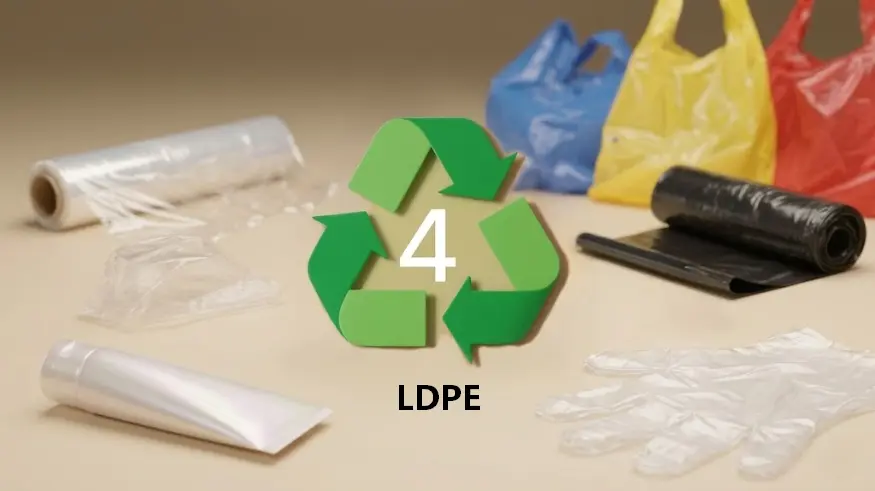
LDPE, which stands for Low-Density Polyethylene, belongs to the same polyethylene (PE) family as HDPE. It is the lowest-density and lightest type of PE. LDPE raw material appears as waxy pellets, is softer than HDPE, and feels smooth to the touch. Unlike HDPE, which is “hard and strong,” LDPE is characterized as “soft and tough.”
LDPE is mainly used to produce cosmetic tubes, cling films, food bags, disposable gloves, and other film-based products. The following characteristics will help you better understand and use LDPE packaging.
4.1 Translucent and Low Gloss
LDPE has low density and does not crystallize easily, making it more transparent than HDPE, but it still has a hazy, translucent appearance — far less clear than PET’s high transparency. Its transparency can be further improved through special processing. Meanwhile, due to its softness, good extensibility, and resistance to tearing, LDPE is widely used to produce cling films
4.2 Good Chemical Resistance
PE materials as a whole have good resistance to most acids and alkalis, and LDPE is no exception. It does not easily react with food or skincare ingredients. In cosmetic packaging, LDPE is commonly used to make tubes.
4.3 Moderate Barrier Properties
LDPE has good extensibility and softness, allowing it to fit tightly around container edges as a film-based packaging material, which helps preserve the wrapped product. However, it has high oxygen permeability, moderate water vapor barrier properties, and is also prone to oil permeation — oils can seep between the molecular chains of LDPE, causing the packaging to leak or swell. This is why oil-based foods packed in plastic bags can sometimes make the outer surface feel greasy, as if leaking.
4.4 Moderate Temperature Resistance
LDPE has very limited heat resistance and typically softens and deforms at temperatures between 80°C and 100°C. Take PE cling film as an example: at temperatures exceeding 110°C, it can melt and may leach certain plastic additives that the human body struggles to metabolize. Food-grade LDPE is safe under normal use conditions, but it should be kept away from high heat (such as placing cling film in a microwave oven in direct contact with high-fat foods).
4.5 Difficult to Recycle
The softness of LDPE makes it an ideal film material (easy to conform and resistant to tearing), but it is precisely this property that causes it to be easily damaged or deformed after use, making it difficult to process efficiently through traditional mechanical sorting and recycling equipment. Furthermore, once contaminated with oils or chemicals, the cost of deep cleaning and impurity removal is high, further compounding recycling challenges. As a result, the recycling rate for LDPE is currently very limited.
4.6 Not Recommended for Reuse
When LDPE is reused, it is prone to microstructural damage from rubbing or stretching, leading to cracks and a decline in barrier performance. Additionally, PE plastics have low surface energy, making thorough cleaning difficult. If reuse for food packaging is absolutely necessary, it is recommended to use it only for the same type of food and to limit reuse to no more than three times.
5. Recycle Number 5 PP
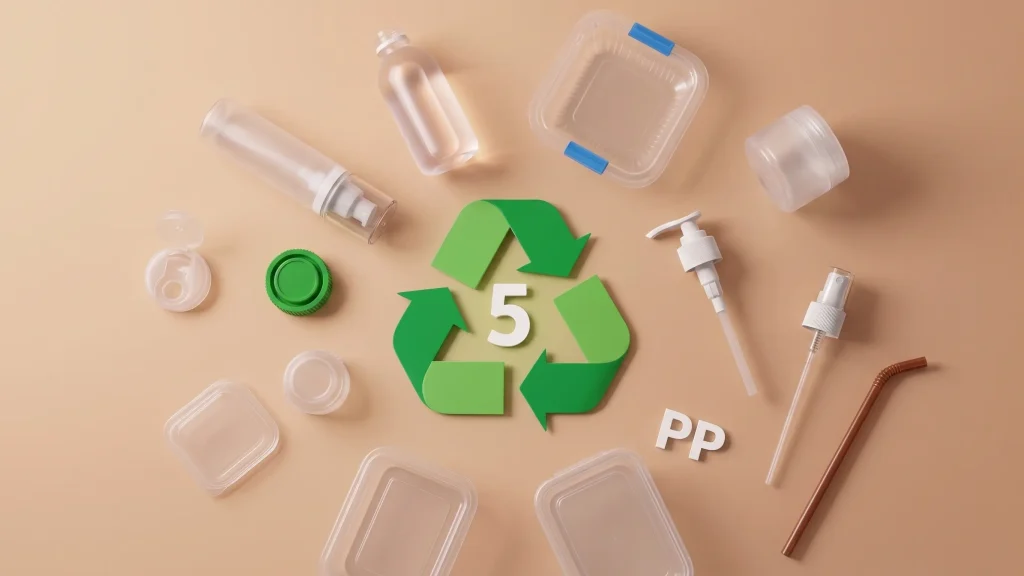
PP stands for Polypropylene, a semi-crystalline thermoplastic. Containers made of PP have a smooth surface, but they do not have the pronounced waxy feel of PE, nor the silky smoothness of PET. Its surface compatibility for decoration is low, so when applying conventional surface finishing processes such as printing or spray coating, flame treatment is usually required.
PP is widely used in both food, chemical, and cosmetic packaging and is regarded as one of the safest food-grade plastics. In addition to being used for containers, PP is also a common material for cosmetic accessories such as caps and pump heads. To better understand the proper use and characteristics of PP packaging, please read the summary of PP properties below.
5.1 Good Transparency
PP’s transparency falls somewhere between PET and PE. To achieve higher clarity and reduce the hazy or cloudy appearance of the packaging, suppliers can provide modified PP materials to produce containers with relatively good transparency. However, even with such modifications, PP still cannot match the transparency level of PET. Therefore, PP’s primary advantages as a packaging material lie not in transparency, but in other properties such as heat resistance and chemical stability.
5.2 Chemically Stable
Although PP is less transparent than PET, its chemical stability is comparable to that of PE. It is inert to most acids, alkalis, and oxidizing agents. However, for products such as cleaning agents and chemical solvents, PE is often preferred over PP because PE offers stronger overall chemical stability and typically has lower raw material and manufacturing costs.
5.3 Moderate Barrier Properties
PP’s overall barrier properties fall between those of PET and PE: its water vapor barrier is superior to PET but inferior to HDPE, while its oxygen barrier is only moderate.
Both PP and PE are non-polar materials, so grease tends to adhere easily to their surfaces and penetrate, making cleaning difficult and causing odor retention. Therefore, PP is better suited for short-term packaging and dry contents.
5.4 Excellent Heat Resistance
PP can withstand temperatures of 120°C to 140°C. It is one of the few plastics that can be safely heated in a microwave and can also be sterilized at high temperatures. As a result, PP is often used to produce food storage containers, plastic cups, children’s toys, baby bottles, and similar products. For beverage bottles that require hot-filling, PP is the preferred material among plastics.
5.5 Recyclable
Among the many types of plastics, PP, PE, and PET are currently the three most efficiently recycled. During the recycling process, discarded plastics can be identified by automated sorting equipment (such as near-infrared spectroscopy) with an accuracy rate of over 95%. Nevertheless, the recycling rate of PP is still lower than that of PET, mainly because PP is often contaminated with food residues, adhesives, and other substances, making cleaning more difficult.
5.6 Reusable
PP is widely recognized as a food-safe plastic. Its molding and use processes generally do not involve controversial substances such as BPA or plasticizers, offering high safety. As a result, PP has the highest feasibility for reuse within the same scenario among common plastics.
However, the number of times PP can be reused, and the conditions for reuse are limited and should be assessed based on the specific application and the condition of the container. Although PP is chemically stable, it still ages — UV exposure, high temperatures, and prolonged mechanical wear will gradually make PP brittle or cause yellowing and cracks, creating hard-to-clean areas where bacteria can grow. At that point, the container no longer serves any meaningful purpose for reuse and should be cleaned and sorted for recycling.
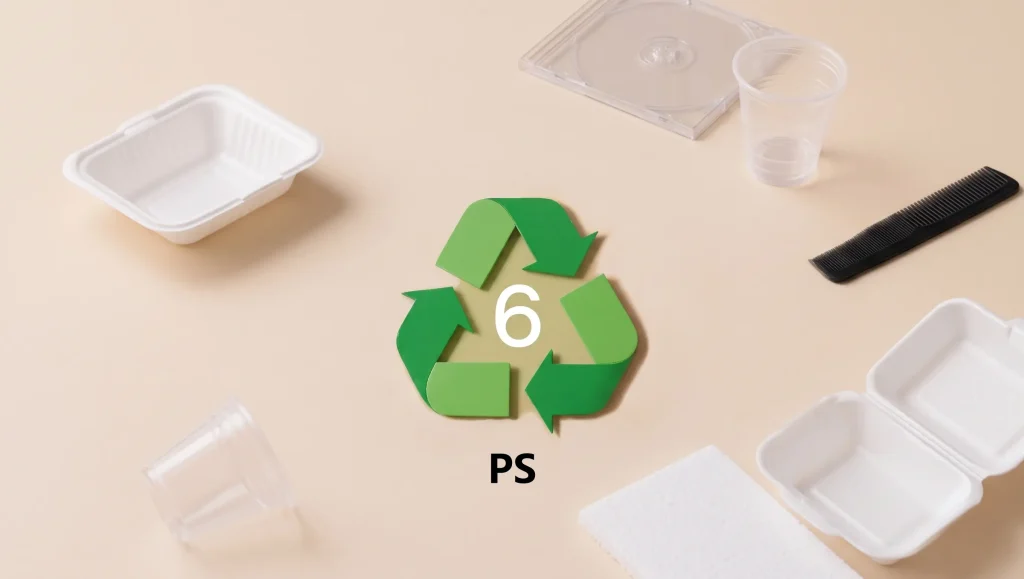
6. Recycle Number 6 PS
PS, which stands for Polystyrene, is a rigid and brittle material with a surface smoothness similar to that of PET. In the packaging field, PS is widely used for items such as disposable foam food containers, combs, CD cases, toothbrush handles, instant noodle bowls, cosmetic bottles, and caps.
Its applications may seem to overlap with those of the previously mentioned plastics, but there are still several important points to keep in mind regarding its use. The following are some characteristics of PS in packaging applications.
6.1 High Transparency
PS is a colorless, transparent thermoplastic with a light transmittance of 88% to 92%. Its transparency is comparable to that of PMMA (acrylic glass), but its price is only about half that of PMMA. Therefore, in cosmetic packaging, PS is often used as a cost-effective alternative to PMMA.
PS also has good surface properties, allowing it to take color well in processes such as color customization, spray coating, and electroplating, with good adhesion and low risk of peeling.
Thanks to its excellent transparency, low production cost, and relatively good heat resistance (slightly better than PET), PS is also commonly used in food packaging. Among transparent plastics used for food packaging, PS and PET are the two lowest-cost options, and PS has a slight edge over PET in heat resistance.
6.2 Poor Chemical Resistance
PS is extremely sensitive to organic solvents and has almost zero barrier resistance against them. Although it can be used in cosmetic packaging, PS is generally not allowed to come into direct contact with the product formula, as it can be easily attacked by acids, alcohols, greases, and other substances, leading to cracking (commonly known as “stress cracking”). Therefore, PS cosmetic bottles are often used only as overcaps or outer bottles, with the inner container made of PP, PE, or PET.
6.3 Poor Barrier Properties
As can be inferred from its poor chemical resistance, PS has weak barrier performance. Especially when PS comes into contact with oils or acidic substances, it accelerates the migration and release of styrene monomers. Long-term exposure to such conditions may cause harm to the liver and nervous system. Therefore, PS should not be used to hold foods containing oils or high levels of acidity (such as hot soup, oily sauces, or lemon juice).
6.4 Moderate Heat Resistance
The softening point of PS is approximately 80°C, and its heat deflection temperature ranges from 90°C to 104°C. Its heat resistance is only slightly better than that of PET. PS cannot be used in microwave ovens and is not suitable for holding very hot foods (such as boiling water or hot oil). Additionally, PS is not resistant to sunlight; prolonged exposure to UV radiation can cause it to yellow and become brittle.
6.5 Incomplete Recycling System
Compared to PET, PS is more difficult to collect and sort. If both are made into transparent plastic parts, it is hard to distinguish PS from PET with the naked eye (the only way is to tap them and listen — PS produces a crisp sound, while PET sounds duller; or to use a solvent test for identification). As a result, the recycling rate of PS is much lower than that of PET. Furthermore, foamed PS (styrofoam) has extremely poor recycling economics due to its low density, large volume, and high transportation costs, and is classified as other waste in most cities.
6.6 Not Recommended for Reuse
PS has relatively poor physical durability and low chemical safety. Therefore, it is not recommended to reuse PS packaging through simple cleaning or heat sterilization. Especially for transparent PS shells used for food packaging — even if they do not come into direct contact with the food — reuse is still not recommended, as the risk of styrene monomer migration increases under aging or heat exposure conditions.
7. Recycle Number 7 OTHER
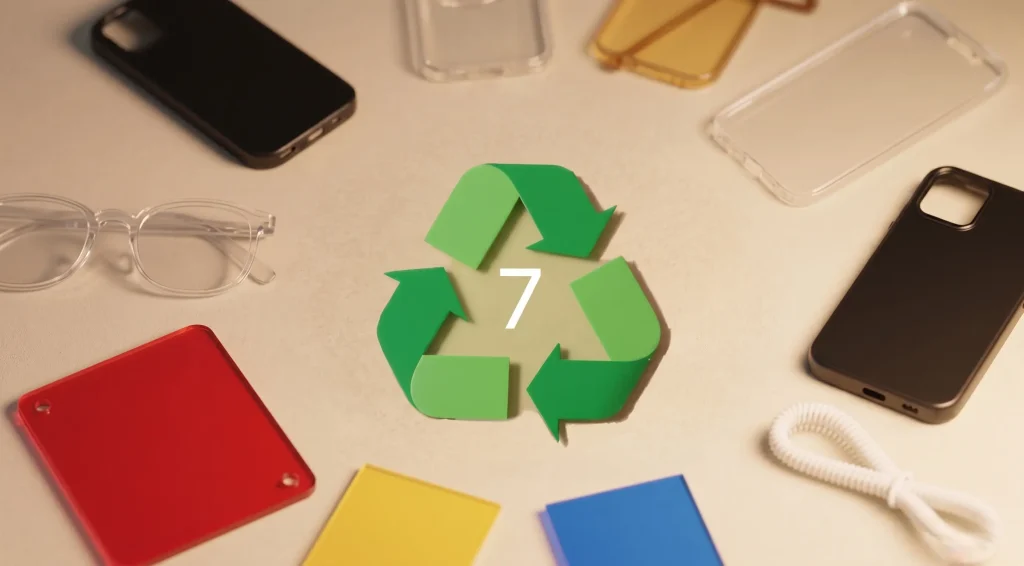
Plastic Recycling Number #7 is a miscellaneous category and does not represent a single type of plastic. It covers all resins and mixed materials not included in codes 1–6, and may include PC (polycarbonate), MF (melamine resin), Tritan (copolyester), PA (nylon), as well as some relatively environmentally friendly plastics such as PETG (which, upon complete combustion, produces only carbon dioxide and water) or biodegradable materials such as PLA (polylactic acid).
Because of this compositional complexity, #7 plastic is the most heterogeneous and most difficult category to identify in terms of properties.
The most common #7 plastics include PC, ABS, and PMMA. These materials have good rigidity and are not only widely used in packaging but also very common in industrial and automotive applications.
The biggest issue with #7 plastic is the difficulty of recycling. Most municipal recycling facilities do not have specific processing streams for #7 plastics; automated sorting equipment struggles to identify their exact material type, and there is no stable market for their recycled content. Therefore, #7 plastics are often sent to incinerators for energy recovery rather than being truly recycled into new materials.
In terms of use, the reuse of #7 plastic is not recommended. When the specific type of plastic is difficult to identify, blindly cleaning, sanitizing, and reusing it only increases the risk of exposure to and absorption of harmful substances. If reuse is necessary, it is advisable to determine the specific material and use it appropriately according to the characteristics of that material.
8. What Number Plastics Can Be Recycled?
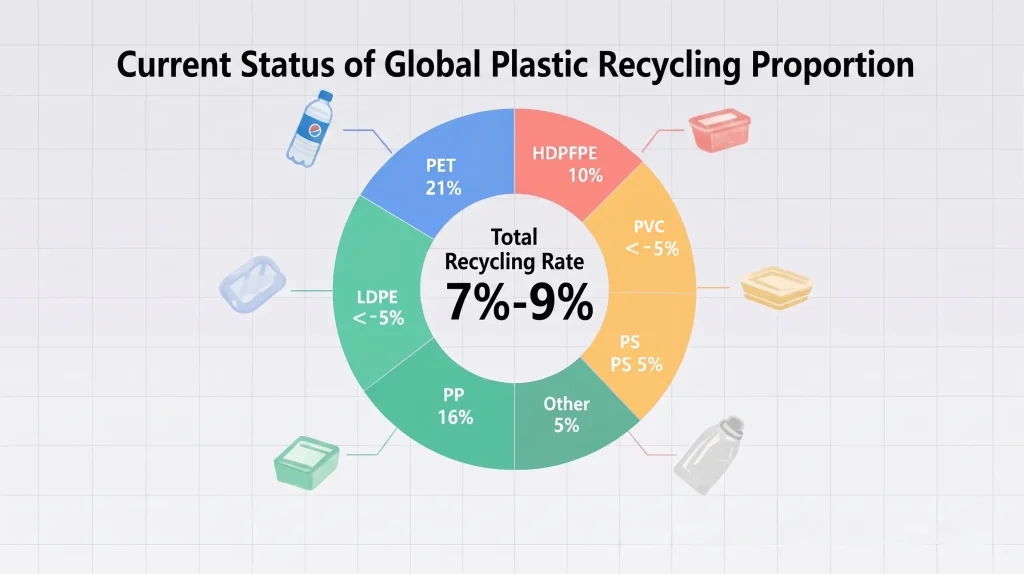
Through the above analysis, we believe you now have a clearer understanding of plastic recycling codes 1 through 7. Strictly speaking, all plastics labeled 1–7 are recyclable — but there are significant differences in their recycling methods, efficiency, and value.
Among the seven categories, the most mature recycling technologies and systems are for #1 PET, #2 HDPE, and #5 PP. These three plastics have stable recycling channels, well-established sorting technologies, and robust markets for recycled materials. The remaining plastics either have high recycling costs, are difficult to sort, or lack a stable recycled-material market, resulting in actual recycling rates and values far lower than the top three.
Additionally, for reusable packaging material, PP (#5) is currently recognized as the safest plastic — it is BPA-free, contains no plasticizers, has excellent heat resistance, and can withstand high-temperature sterilization. However, it is important to emphasize that any reuse of plastic has its limits. Regardless of the type of plastic, aging, scratches, and micro-cracks will occur with increasing numbers of use cycles, which can lead to bacterial growth or the release of microplastics. Therefore, when reusing plastic, the following should be kept in mind:
- Use within the same scenario — avoid cross-use (e.g., do not repurpose a bottle originally used for cleaning agents for food storage).
- When deformation, discoloration, or significant scratches are observed, stop using it immediately and sort it for recycling.
- Prioritize PP for reuse, followed by PET.